Valley flood protection still a hodgepodge, leaving bald spots and confusion
- Editor’s note: Allison Hunter covers Fresno County water issues for SJV Water through the California Local News Fellowship initiative.
When it comes to how prepared San Joaquin Valley communities are for potential El Niño-fueled flooding, it’s down to three things: location, location and location.
In the Fresno area, for instance, the Fresno Metropolitan Flood Control District has a robust system that’s “ready to go,” according to Assistant General Manager Brent Sunamoto.
The district funnels excess water through a series of storm drains and into sumps. As those systems fill, it can also move water through Fresno Irrigation District (FID) canals into FID recharge facilities.
“When the basins fill up too high, we could go and flip a switch and turn a pump on and basins will pump that water into the FID canal,” Sunamoto said.
His team of about 75 clears channels, does preventative pump maintenance and other work year round. The district can also store up to 30,000 acre feet in the Big Dry Creek Reservoir from some foothill streams.
That coordination works well for the fraction of Fresno County under the flood agency’s jurisdiction.
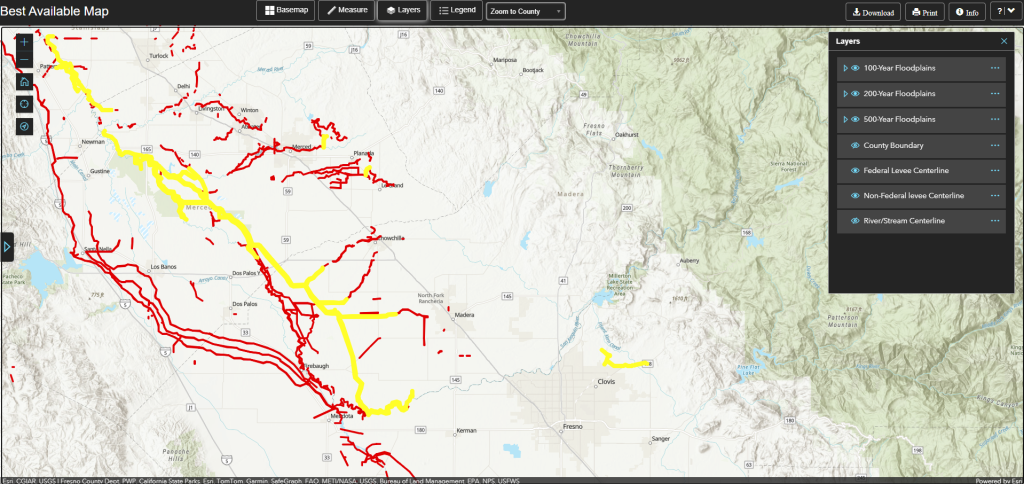
But most of Fresno County doesn’t have that kind of well-resourced, coordinated flood response. In fact, there is no overarching flood control agency that covers the southern San Joaquin Valley.
And it shows.
In 2023 there was significant confusion over who had authority and responsibility to protect communities in the path of floodwater.
Some water districts and municipalities have authority over some sections of rivers, and some agencies have control of some levees. But there is limited coordination between those entities.
And most ephemeral streams, those that only come to life in huge water years, typically have no governance at all.
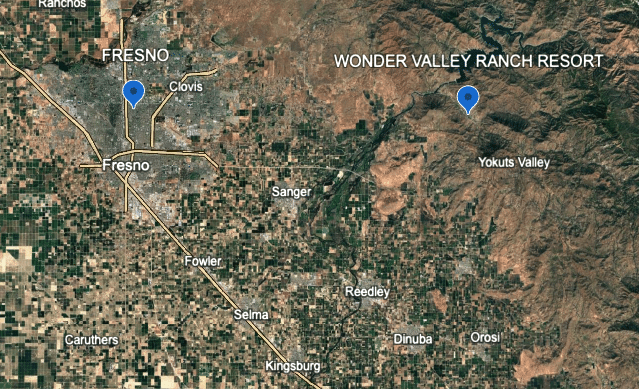
That’s the case with Mill Creek in the low foothills of eastern Fresno County. Mill Creek flooded out Wonder Valley in 2023 and businesses along its banks are pretty much still on their own.
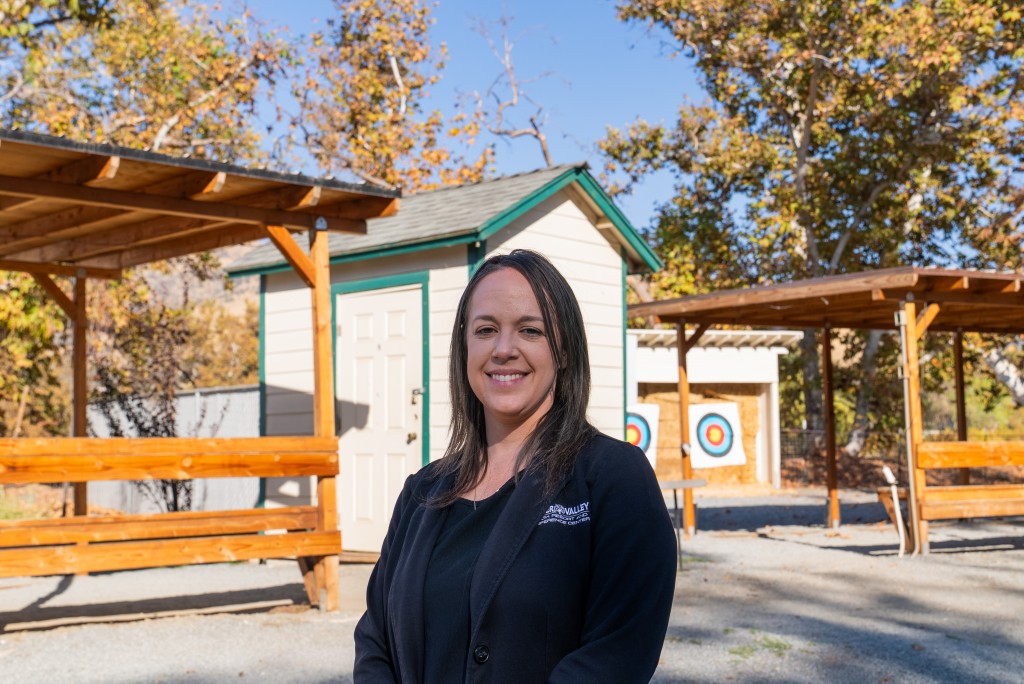
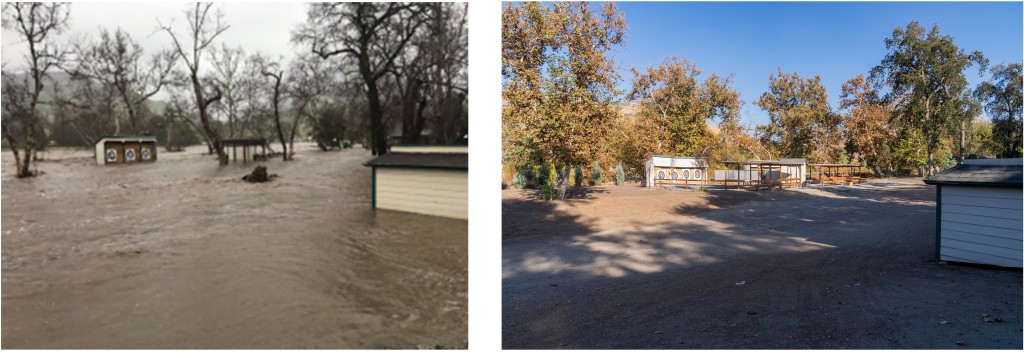
Kalene Ramirez, CEO and president of Wonder Valley Ranch Resort, said the 2023 storms cost the company “hundreds of thousands of dollars” in damage. Two buildings flooded and several trees had to be cut down, Ramirez said. The archery range, which backed up to the property’s fence line and the creek, suffered the most.
“This entire thing just floated away,” Ramirez said, referring to the archery range. The resort has since added a second range, repaired its fence and removed several trees. It also added more soil to cover the washed-out path where Mill Creek overflowed, creating a second channel.
Ramirez said they’ve done all they can to ensure the property is prepared for the potential big water year.
“You know, you want to think you’re covered,” she said. “But we know we don’t really know for sure.”
Similarly, in Madera County, a checkerboard of federal and non-federal levees has left landowners confused about which ones they’re responsible to maintain – if at all.
Kevin Sischo, water resources specialist for the Madera County Flood Control Agency, said “people don’t have a distinction” of which levees are their responsibility.
He added that the county doesn’t “have the legal right” to work on non-federal land. It’s up to the landowners.
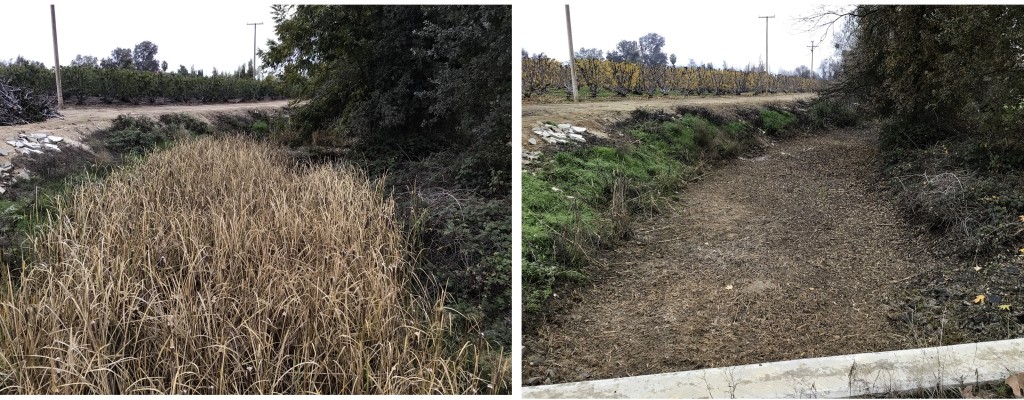
When it comes to streambeds, California Department of Fish and Wildlife (CDFW) permits are typically required to clear overgrowth and trash, except if it’s deemed “emergency work,” according to the CDFW website.
This year, an emergency order issued by Governor Gavin Newsom expressly gives landowners authority to clear overgrown creek beds, which caused major problems in 2023.
But landowners don’t know – or trust – that they won’t get in trouble without a permit, said Stephanie Anagnoson, Madera County’s Director of Water and Natural Resources.
“When I was talking to a farmer earlier today, he didn’t believe me,” Anagnoson said.