Recent ding against Merced subbasin’s previously OK’d groundwater plan has managers on alert
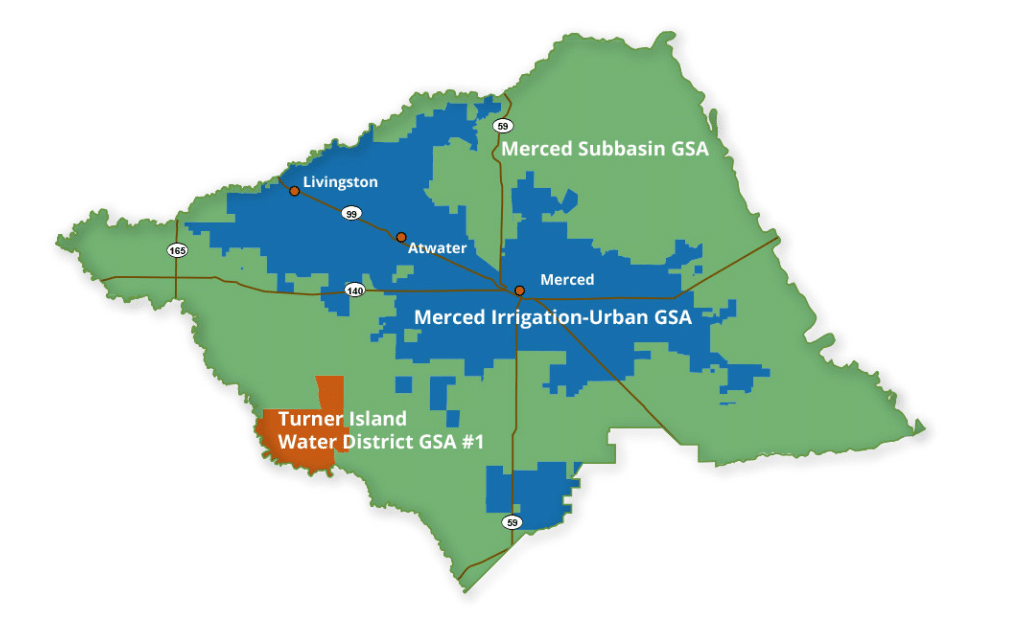
Water managers throughout the San Joaquin Valley are closely watching the latest groundwater twist in the Merced subbasin, which could see the region headed back under the enforcement thumb of the Water Resources Control Board.
Even though Merced’s groundwater plan initially got the green light from the Department of Water Resources in 2023, subsidence still isn’t being dealt with to the state’s liking. Consequently, the subbasin’s plan got an “incomplete” rating on a recent five-year review.
That’s just one step away from “inadequate,” which would send it back to the Water Board and possible probation, which comes with a host of fees and reporting requirements.
Merced’s three groundwater sustainability agencies (GSAs) have 180 days to address deficiencies outlined in an Oct. 8 letter from the DWR.
“We have every intention of complying with the recommendations and requirements of DWR and are already working to do so,” Bryan Kelly, Merced Subbasin plan manager, wrote in an email.
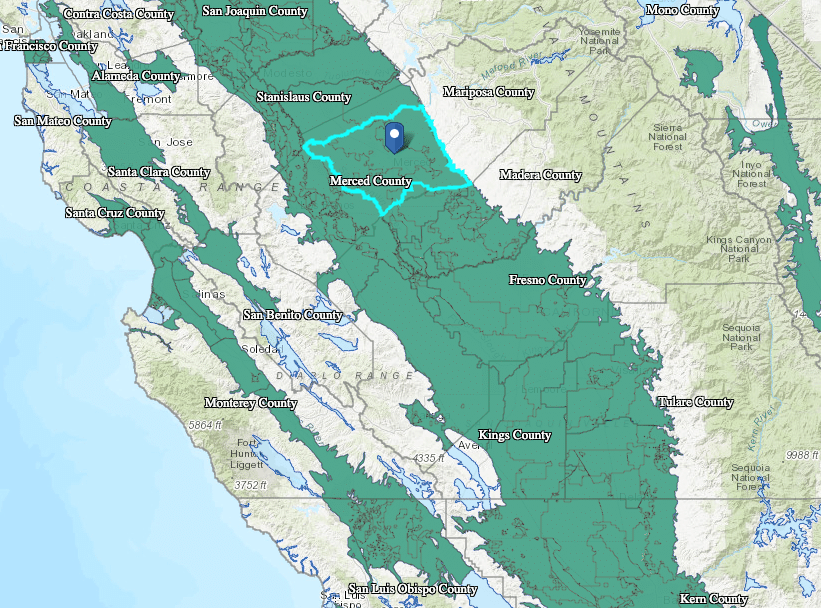
About 100 miles south in Tulare County, managers in the Kaweah subbasin are watching this process closely.
Kaweah initially was headed for a probationary hearing before the Water Board in 2024 but aggressive focus on domestic well protection, water quality and subsidence turned it around to DWR oversight, where managers prefer to stay.
Aaron Fukuda, general manager of Mid-Kaweah GSA in Tulare County, acknowledged subsidence, or land sinking from excessive groundwater pumping, continues to be a tricky beast in the western reaches of Mid- and Greater Kaweah GSAs.
He said even though the region’s 2024 groundwater plan was written before DWR issued new subsidence guidelines, “we have spent significant time understanding the (guidelines) and are evaluating how to analyze and manage in accordance with SGMA and the guidelines.”
The GSAs, he said, are working to move surface water to areas with subsidence, looking into deep aquifer injection and groundwater banking operations.
DWR said in a statement its new subsidence guidelines didn’t factor into the incomplete given to Merced’s plan.
Merced’s plan is too lenient on how subsidence impacts critical infrastructure, such as the Middle Eastside Bypass, the largest piece of infrastructure in the basin. It also is not protective enough of community wells and infrastructure in a large swath of the subbasin, according to DWR.
From 2015 to 2025, the subbasin measured 3.8 feet of subsidence, and its plan allows for up to 7.5 feet by the end of 2040.
DWR’s letter states Merced’s plan relies on an outdated Middle Eastside Bypass channel capacity report from 2022 issued by the Bureau of Reclamation, owner of the canal. That report concludes that by 2031 continued subsidence will significantly reduce the capacity of three channels.
DWR acknowledges the GSAs’ attempts to contact Reclamation but concludes that a lack of response is “insufficient evidence that assumptions made in the Amended GSP are sufficient to ensure that ongoing and future land subsidence impacts to the Middle Eastside Bypass will not be significant and unreasonable.”
It’s not the first time Merced has been warned of subsidence impacts.
DWR deemed the region’s plan incomplete in 2022. And in approving its 2023 plan, the state indicated that “failure to address the Department’s Recommended Corrective Actions before future, subsequent plan evaluations, may lead to a Plan being determined incomplete or inadequate.”
Merced’s Kelly said “there was no surprise in receiving the determination” and that the finding is part of an ongoing process, not a final conclusion.
He added technical analysis of DWR’s corrective actions are underway, and GSAs continue to implement programs and management actions to move the subbasin toward sustainability.
“We are completely committed to the most responsible management of (water) possible,” Kelly wrote in an email.
Kelly said the state’s incomplete determination will not automatically mean new pumping reductions for farmers.
“There are already active demand management programs with established groundwater allocations and policies,” Kelly wrote. “The GSAs will continue implementing their adopted policies and programs as we continue to work with DWR to address their concerns.”