Residents fear gravel mine’s proposal to change methods could dry up wells and kill centuries-old oaks near the Kings River

• Editor’s note: Allison Hunter covers Fresno County water issues for SJV Water through the California Local News Fellowship initiative.
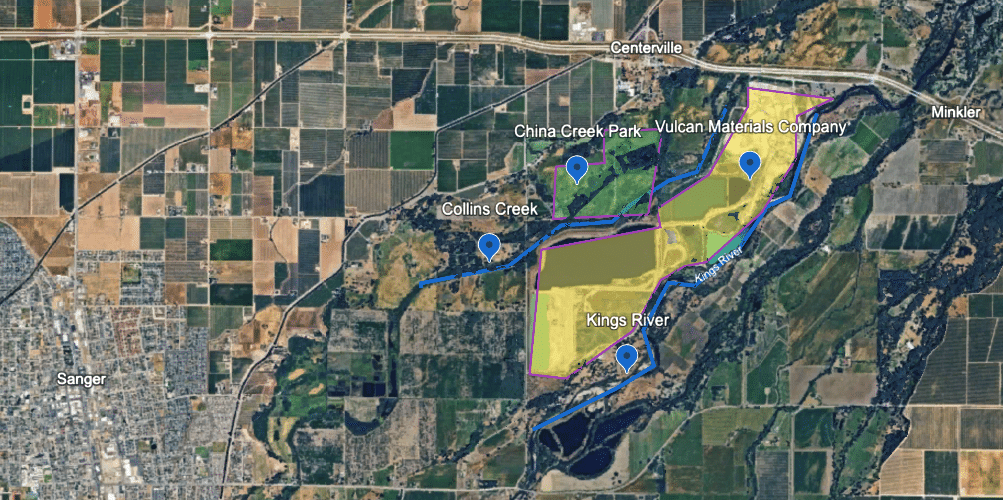
Neighbors near a rustic, mostly unknown park east of Fresno near the Kings River, say a gravel company’s proposal to change how it mines could dry up their wells and decimate an ancient oak grove in China Creek Park.
Vulcan Materials Company wants to resume “dry” mining at its Sanger-area quarry nearly 20 years after the county approved its switch to “wet” mining, according to Fresno County Planning Department documents.
The company wants to switch back to dry mining, Vulcan area manager Terry Marshall wrote in an email, because it can no longer reach the deeper permitted reserves by wet mining. So, it is seeking an amendment to its conditional use permit to dewater two pits to more easily access those reserves.
Marshall confirmed that dewatering the pits would cause “a localized drop in the water level elevation.”
For neighbors, this reversal from wet to dry mining has sparked questions and misgivings.
Leslie Porter, who lives nearby and volunteers at the park, said she doesn’t trust Vulcan’s proposed amendment to the existing conditional use permit.
“They’re kind of trying to sneak it in again,” Porter said, referring to dry mining, which she said had caused public outcry years ago.
John Gray, who lives several miles south of the Vulcan mine, remembered the uproar in 2007 when Vulcan applied for a permit to expand its operations, which had initially included dry mining.
“All of the surrounding neighbors were scared” that their groundwater would be affected, he said.
But after Vulcan agreed to switch from dry to wet mining, he said, that was the “difference maker” in the local community accepting the mine’s expansion. He added that Vulcan has been a good neighbor, overall, involving the community and not taking “shortcuts.”
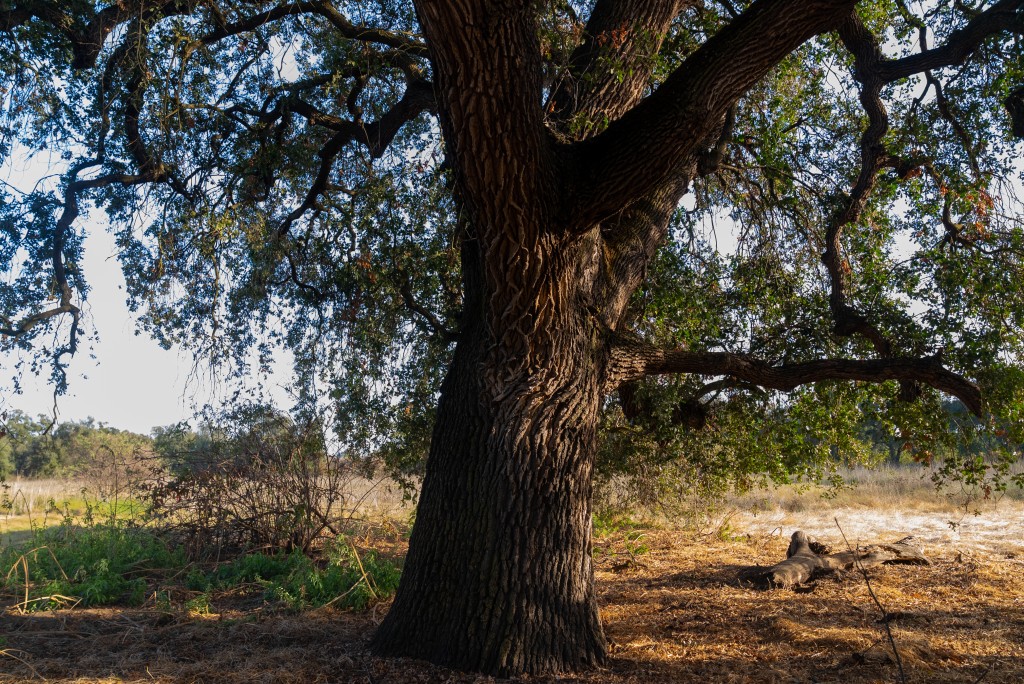
Porter and another neighbor, Kathy Yamamoto, both have domestic wells. They fear Vulcan’s proposed dewatering process will create a “cone of depression” that will suck in surrounding groundwater, dry up their wells and kill China Creek Park’s oak grove.
Yamamoto said Vulcan representatives told residents during a 2025 neighborhood meeting, “‘Well, you know what, you guys can register your wells with us. And if they go dry, then we’ll dig them deeper.’”
“It was terrible,” she said. “They know that they’re going to affect everybody’s wells.”
Vulcan had been dry mining until the mid-2000s when it expanded from 221 acres to 661 acres. The company then submitted a conditional use permit application in 2007 to expand its mining area by 440 acres and switch to wet mining using a “dragline.” A dragline sits on a pit’s edge and casts a bucket into the pit and drags it back up filled with sand and gravel.
Back in 2007, Vulcan said the expanded mining operation would “help respond to the market demand over the next 50 years” and projected sales of up to 2.5 million tons of gravel a year by 2015, according to a county Planning Commission staff report.
In its environmental documents approved in 2007, the report states Vulcan “will cease pit dewatering.”
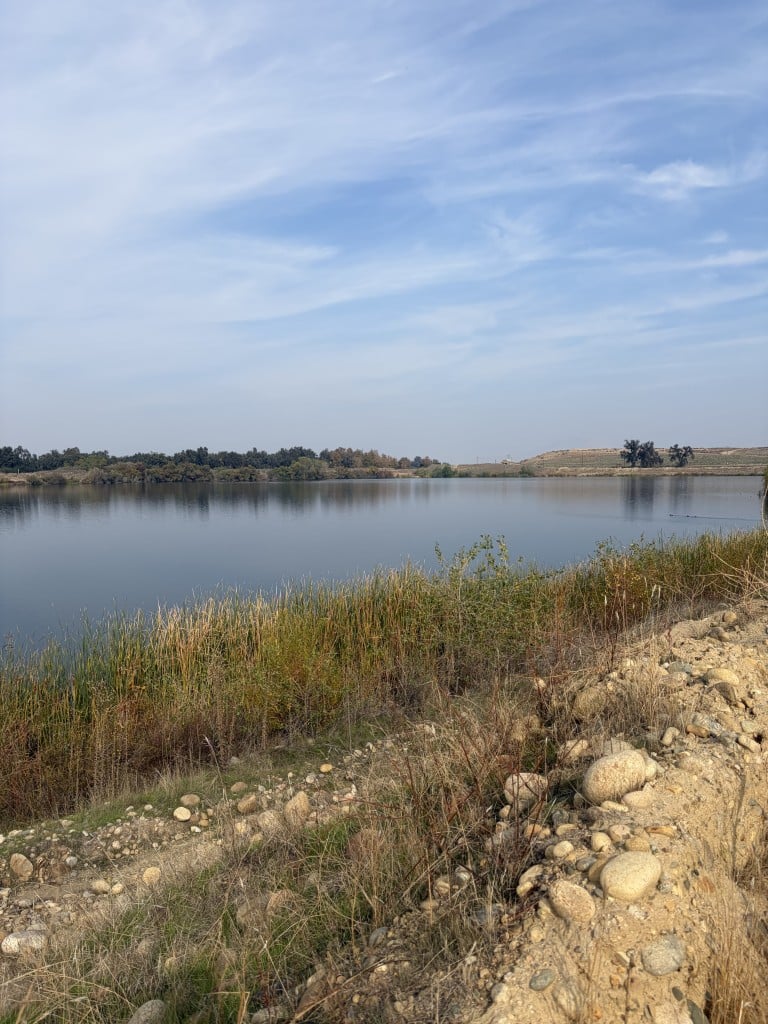
If the proposed amendment to its permit is approved, Vulcan expects to continue dry mining at the site for 15 years, Marshall wrote in his email. The ponds need to be kept dry, which means the company will “likely need to pump 24 hours a day.”
The county has filed a Notice of Preparation, the first step in an environmental review under the California Environmental Quality Act. The county has also posted a request for public comment accepted until Nov. 30 and will hold two scoping meetings, one for public agencies and one for individuals, both over Zoom on Nov. 17.
Vulcan acquired the Sanger facility in 1999 when it acquired CalMat, which formed as a merger between California Portland Cement Co. and Conrock Co. and became a major producer of asphalt and ready-mixed concrete. Aggregate mining operations have occurred at the site since the 1940s, according to a 2006 Vulcan report.
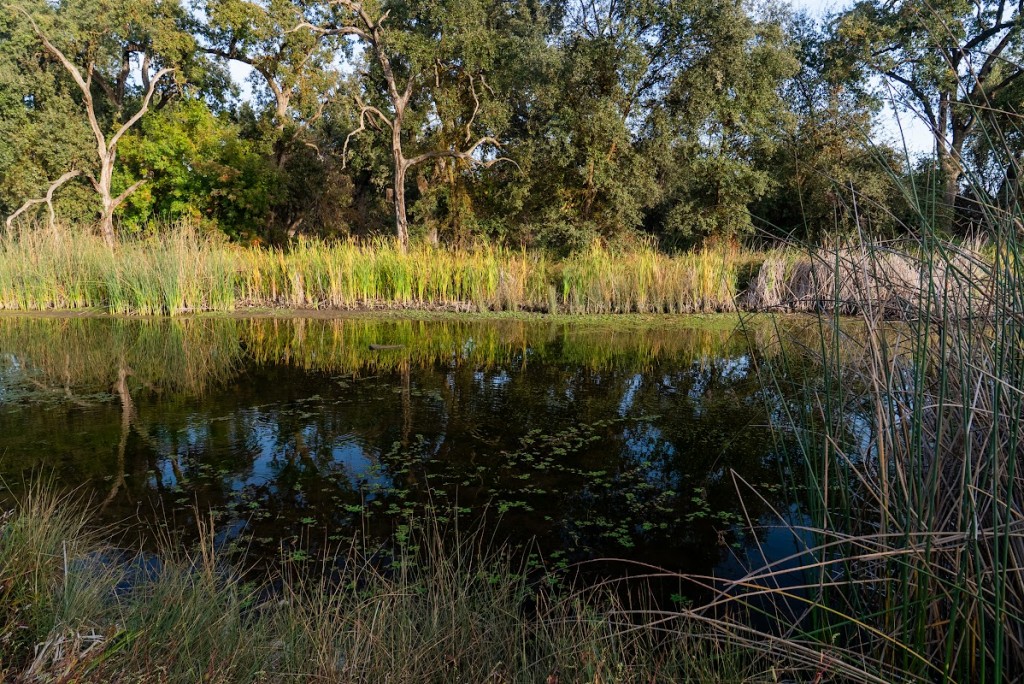
Another worry for Porter is China Creek Park, which sits along Collins Creek, a Kings River tributary. The water table there is about 5 to 10 feet below ground surface, Porter said.
Although China Creek Park is small and undeveloped, meaning it has no amenities such as restrooms or picnic tables, it is well maintained by a group of volunteers.
The 120-acre park, purchased by Fresno County in 1974, may be somewhat rugged, but Porter said that’s its beauty as one of the last few remaining areas of untouched valley land.
Porter said the valley oaks, some which are “up to 300 years old,” the bald eagles, western pond turtles, hawks, falcons and egrets that make the park their home should qualify it for a preservation.
While a spot of untouched land in the San Joaquin Valley is rare, she said, the sort of aggregate mined by Vulcan is plentiful.
Vulcan doesn’t “need to go dewatering and destroying the water table to get it,” she said.
Marshall declined to say how much aggregate Vulcan produces at the Sanger quarry.
According to reporting by Fresnoland on a different proposed gravel mining expansion by CEMEX on the San Joaquin River, the valley already has an abundance of gravel under existing permits.
A California Geological Survey report states the valley has 530 million tons of gravel permitted, more than twice its projected need over the next 50 years, according to Fresnoland.
The Fresno County Planning Commission tied 3-3 on the CEMEX project in October, essentially a denial. CEMEX appealed, and the Board of Supervisors is scheduled to hear arguments on the project Nov. 12.