Dream of restoring the old Tulare Lake will require “change of heart”
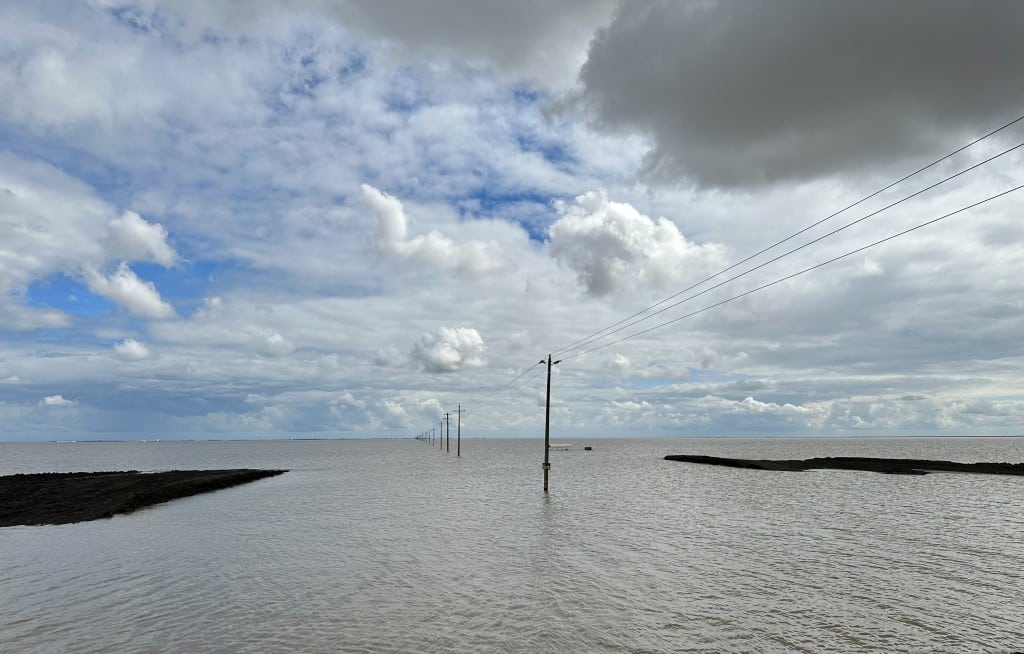
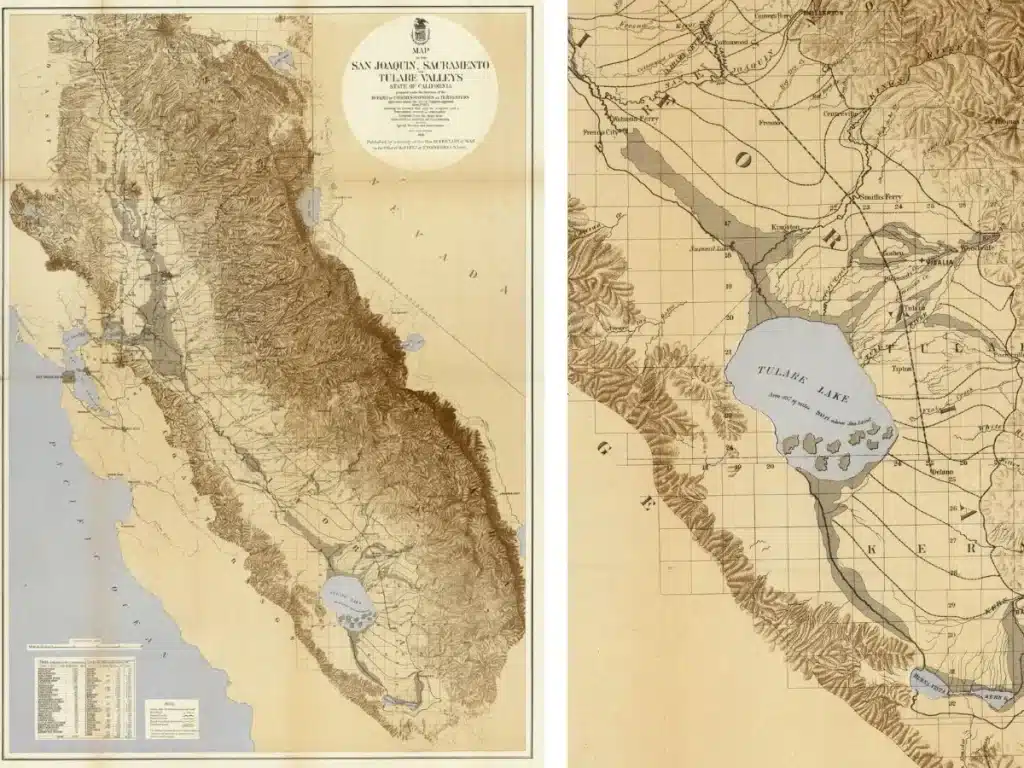
Restoring the old Tulare Lake, or even a part of it, will have to come from many sources and require a “change of heart” about how water is managed, according to Robert Jeff, vice chairman of the Santa Rosa Rancheria Tachi Yokuts Tribe.
It won’t be easy but, to Jeff, the cultural and conservation value of returning water to the old lake can’t be overstated.
“To have Pa’ashi come back, we would be able to reconnect with our culture, reconnect with our songs and our dances, and everything that we are,” he said. “We’re lake people that don’t have no lake no more. So, it is everything to us.”
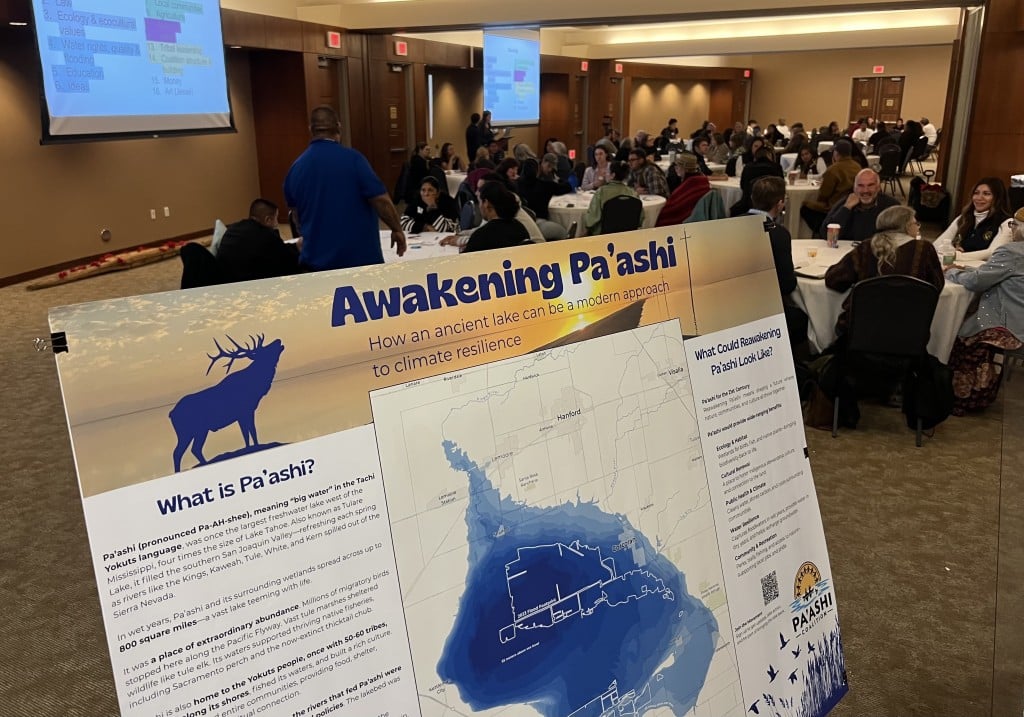
Jeff and about 100 others gathered Nov. 18 at Tachi Palace Casino Resort for the first-ever “Welcoming the Waters” conference put on by the Pa’ashi Coalition. Pa’ashi is the Yokuts name for Tulare Lake and translates to “big water.”
Jeff acknowledged, with a sigh, bringing back the lake would require immense coordination. Not to mention surface water in a region where river flows are fully appropriated.
“We have no answers for that,” he said. “ Ideally you would want it to come from where it usually comes from. But I think it’s gonna need to come from a lot of different individuals having a change of heart about how we manage our water, what we do with our water, where we store our water. What better place than where it went originally?”
In a room full of conservationists, tribal members and scholars, noticeably absent were water managers and farmers.
Tulare Irrigation District manager Aaron Fukuda said he was invited but unable to attend as he was at the Friant Water Authority annual meeting in Bakersfield. A staff member went in his place.
Fukuda called the proposal to restore Tulare Lake “a significant undertaking” that must first consider water rights and landowners.
“We don’t have enough surface water to go around as it is, so at that point, if there’s another demand on the system, then you have to figure out, who do you take it from? And what impacts are those going to have? We were there to hear the conversation,” he said.
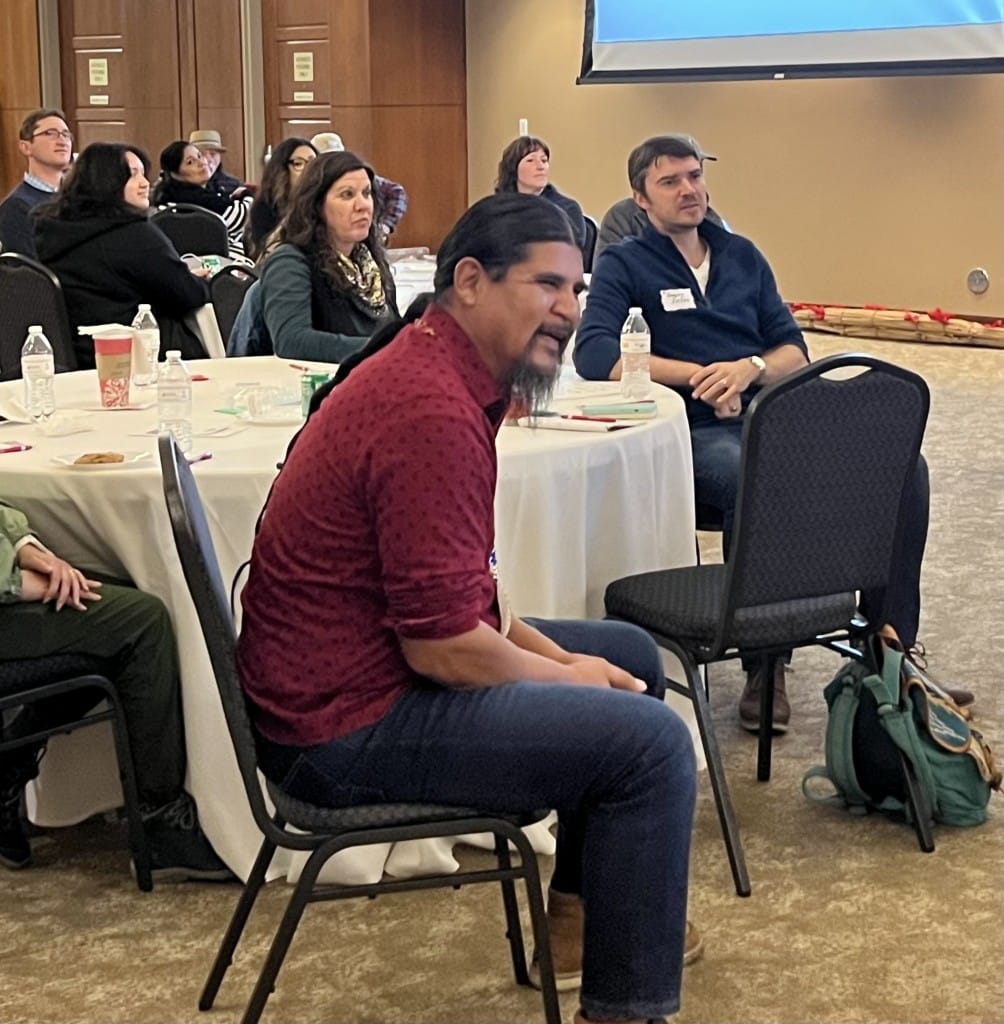
Whether water managers and districts were in attendance, they were not forgotten by conference participants.
The Pa’ashi Coalition will absolutely need their support, said Gregory Liebau, a senior conservation lands manager for River Partners.
“This is a national-level conversation and represents a monumental change to the way a water system functions,” he said.
This idea is just getting started Jeff said, noting that no particular piece of land or pathway of action has been chosen
Issues that plague the Tulare Lake hydrological region — depleted aquifers and poor groundwater, air and soil quality — affect all inhabitants, Jeff said.
“We are all small communities and we all share the same problems,” he said. “It’s never about controlling the water, owning the water. It’s having clean, available water for our future generations, you know?”
Still, he said he felt “fulfilled” by the conference. He thinks recent and future El Niño storms will serve as a catalyst.
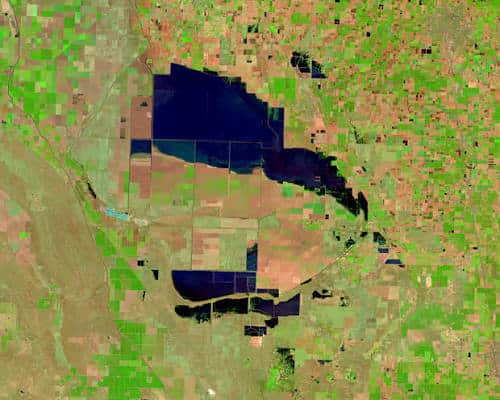
“Mother Nature’s gonna pretty much make us have to come together and start figuring out these solutions together,” he said. “We’re not gonna be able to keep the status quo going because Mother Nature has really reminded us that she’s the boss here.”
That would be a dream come true for Willie Carrillo, a member of the Tule River Indian Tribe.
“I heard it was paradise on earth,” said Carrillo said of the old Tulare Lake, once so vast ferries were needed to help people cross. “It was where all the animals came to drink and there was everything a person could want, with fish, waterfowl and elk. It’s the only place in the world where this kind of lake exists.”
The Pa’ashi Coalition meets monthly. More information is at https://paashicoalition.org/