Justices delve into constitutional questions swirling in Kern River case
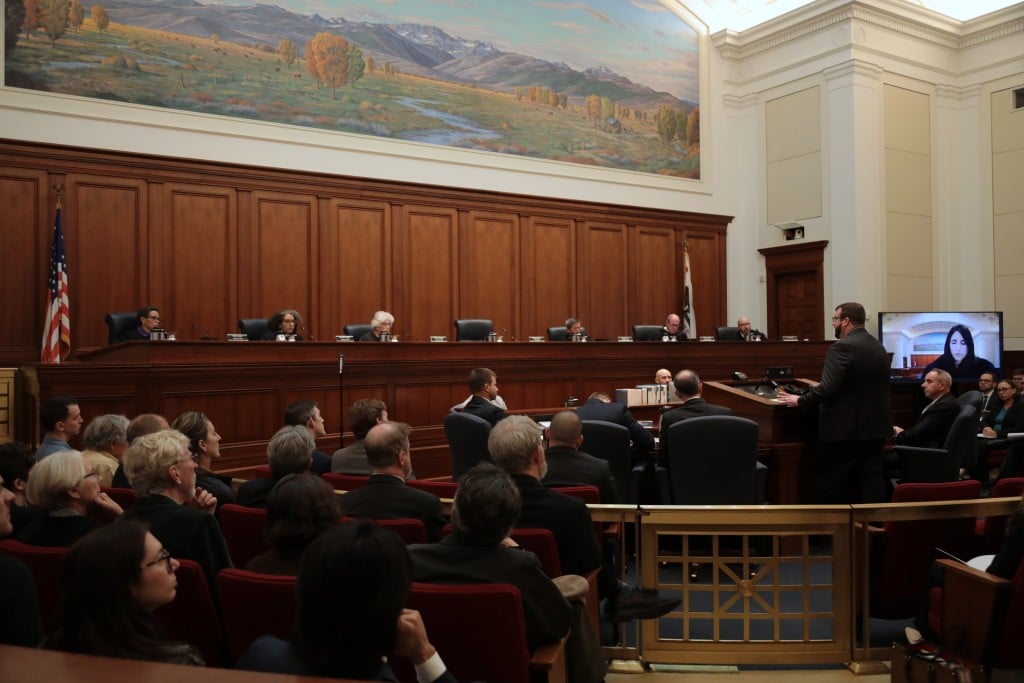
California Supreme Court justices wasted no time Wednesday jumping into the deep end of several complex issues at the heart of an ongoing lawsuit over flows in the Kern River.
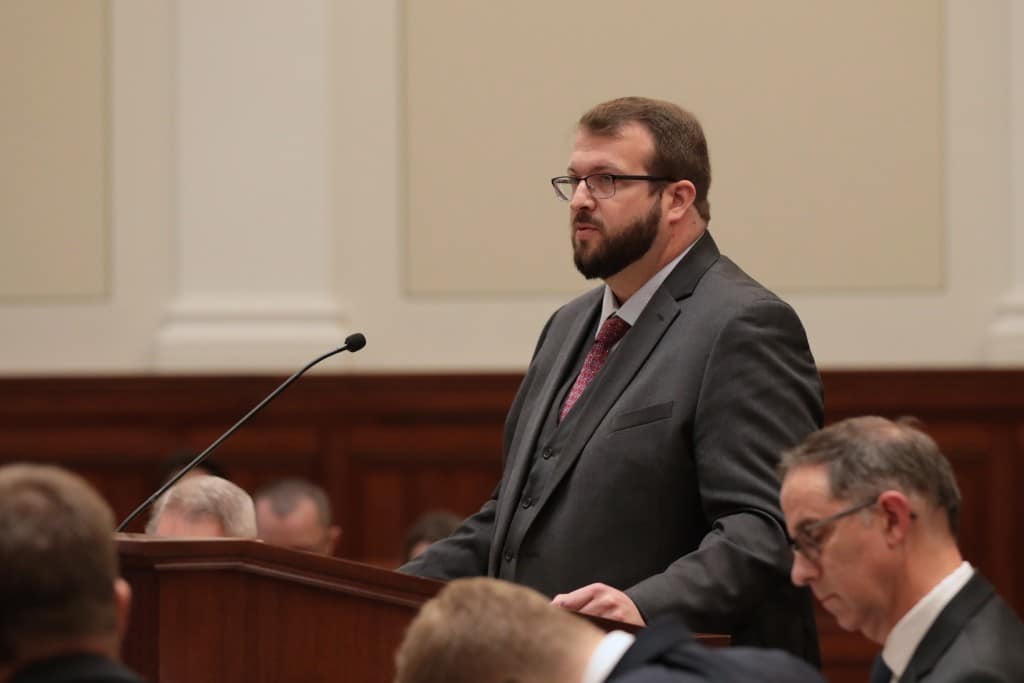
Within a few minutes of Attorney Kevin Bundy’s opening address on behalf of plaintiffs Bring Back the Kern and Water Audit California, Chief Justice Patricia Guerrero interrupted to ask about one of the main issues in the case: Whether a particular water use must be found “reasonable” when compared to other, competing uses.
Her question was aimed at the relationship between California Fish and Game Code Section 5937 – which requires dam owners to allow enough water downstream for fish – and Article X, Section 2 of the state constitution – which requires all water uses to be reasonable.
“You do argue in your papers as well, that the statute, 5937, should be read as creating a presumption, that maintaining sufficient flows for fish is reasonable,” Guerrero said to Bundy. “But the statute doesn’t say anything about what happens when there are multiple competing uses, each of which is reasonable. What happens in that scenario?”
Justices also delved into who should have the burden of proof as to what was is and isn’t reasonable? And who has the responsibility to initiate a reasonable test in the first place? Defendants? The court?
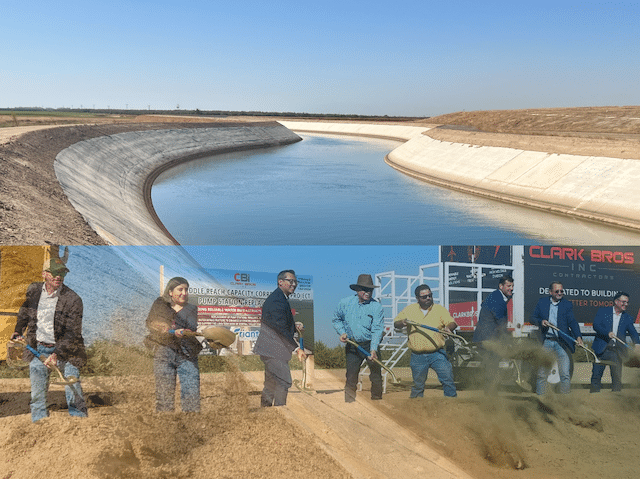
This piece of the ongoing Kern River lawsuit involves a preliminary injunction issued by Kern County Superior Court Judge Gregory Pulskamp in 2023. He ordered Bakersfield, which operates diversion weirs in the riverbed, to keep some water in the river for fish. That injunction was overturned by the 5th District Court of Appeal, which said Pulskamp should have determined how much water was needed for fish first and then balanced that need against existing water uses.
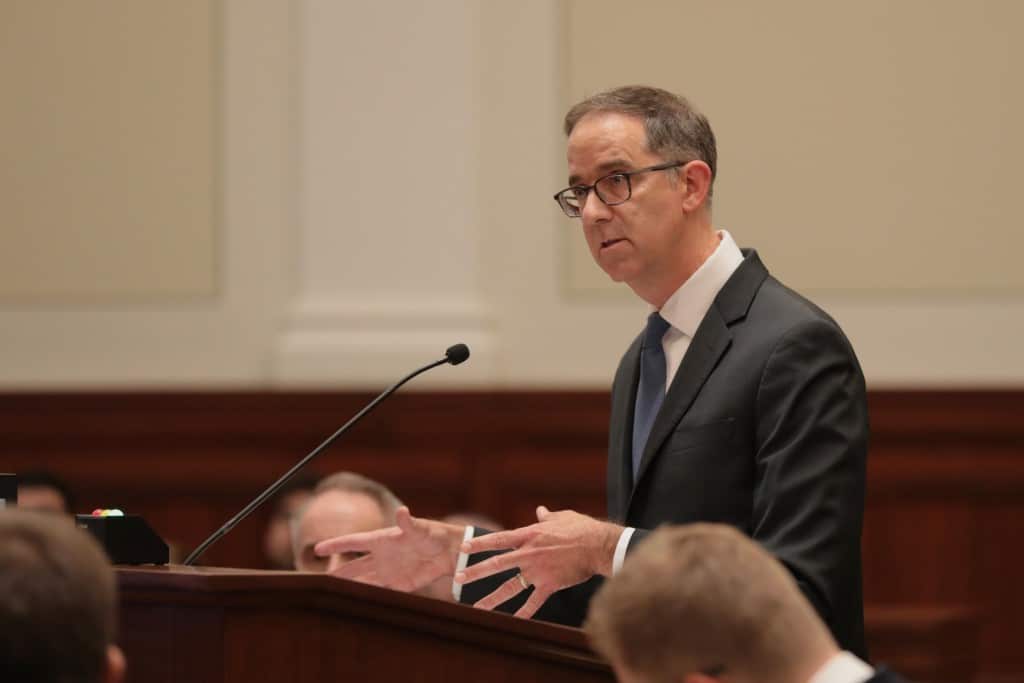
To answer Guerrero’s question, Bundy explained that when Pulskamp issued the preliminary injunction he also ordered Bakersfield and the plaintiffs to work on how much water would be needed for fish. Once that amount was determined, other rights holders, including several agricultural water districts, could challenge whether Section 5937 had been appropriately applied.
But it would be up to those challengers to make the claim and carry the burden of proof that water for fish was unreasonable, Bundy said.
“I do want to say that putting all this burden on plaintiffs, as the court of appeals opinion suggests, and as the other side is enthusiastically embracing, is a recipe for non-compliance,” he said.
In any event, initiating a reasonableness test shouldn’t be up to the court, said Attorney Ian Fein, who represented the California Attorney General and Department of Fish and Wildlife.
He argued that the 5th District’s ruling requiring a constitutional reasonableness test in every water use case is based on an inaccurate understanding of the relationship between some constitutional and statutory laws.
If the Attorney General had to prove the constitutionality of every statute it tried to enforce “…that would make statutory enforcement cases nearly impossible to adjudicate,” Fein said.
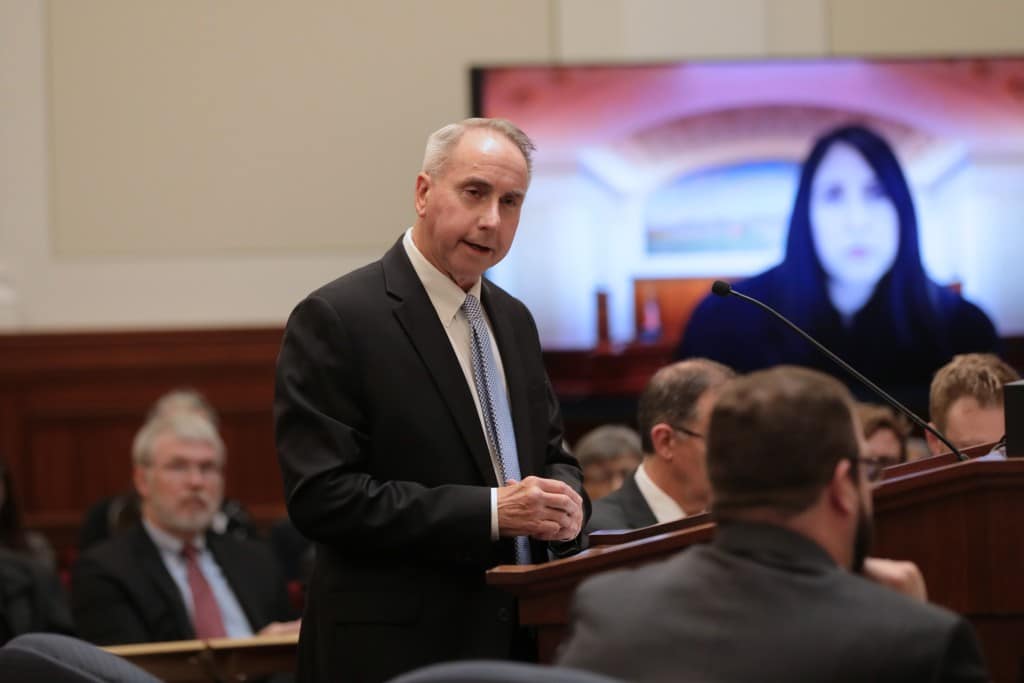
Attorney Colin Pearch, representing Bakersfield, disagreed.
“If plaintiffs in this case wanted 5937 to apply, they needed to show how that was reasonable, why they needed to take water away from other uses, and how much water they needed,” he said.
That prompted Associate Justice Leondra Kruger to note: “…we don’t ask courts to apply the full body of law on their own. We usually, have courts adjudicating real controversies brought to them by parties who think that the law is being violated.”
“Water is different,” Pearce responded, adding that reasonableness is a prerequisite for water use in California.
Besides, said Attorney Brett Stroud, arguing for the ag districts considered “real parties in interest” in the case, Judge Pulskamp was provided with “reams” of uncontested evidence about how water is divvied up on the Kern River and how that water is used.
“There were actually extensive declarations from the real parties describing the existing uses of water and what the impact would be of withdrawing water from those uses,” Stroud said.
Instead of weighing that evidence against the plaintiffs’ request for flows under Section 5937, Pulskamp declined to consider it, Stroud said.
Justices have 90 days to issue a written ruling, though a majority opinion on this case is most likely already written, according to Bundy.
“Oral arguments are really just to help justices refine their thinking on the issue,” he said.
Bring Back the Kern and Water Audit sued Bakersfield in 2022 demanding it review its river operations under the Public Trust Doctrine, which holds that all water is owned by the state and must be put to the highest beneficial use, including public access and the environment.
Because the river is dry most years for several miles through Bakersfield, the plaintiffs argued Bakersfield is violating the Public Trust Doctrine.
When the river was flush with water in 2023, bringing fish back with it, they sought the injunction. As this piece of the case has worked its way to the state’s high court, the underlying case has continued with trial pushed back to October 2027.
Author