Troubled, forgotten slough in the heart of Stockton getting some positive attention
• This story is part of an ongoing look at the Sacramento-San Joaquin Delta, its communities and the many needs it serves.
It’s hard to envision the vibrant landscape that the Mormon Slough could become if Restore the Delta’s community-focused efforts finally bear fruit.
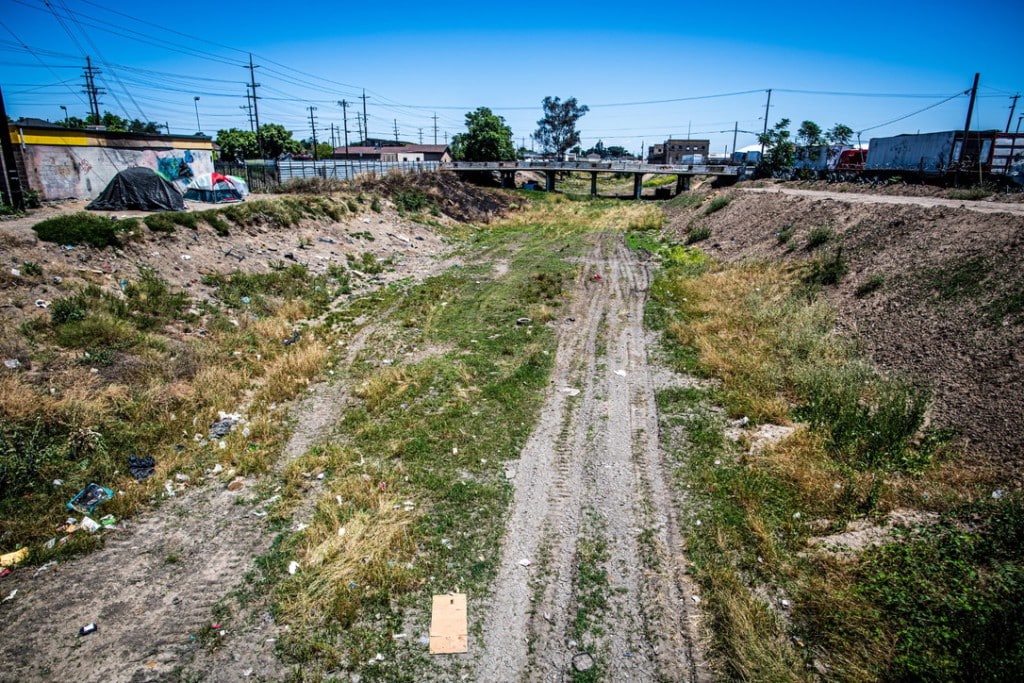
The 6.5 mile slough is mostly dry on its westerly trek from about two miles east of Highway 99 through central Stockton to the San Joaquin River.
It used to be a natural drainage channel for excess water from the Calaveras River but was intentionally cut off in 1910 when the federal government built a canal to skirt its flows around Stockton to prevent flooding and keep silt from building up in the deep water port.
As with so many other natural waterways, however, manmade changes initially seen as improvements triggered unforeseen consequences.
Right away, ranchers demanded action when their lands, which had never flooded, were swamped after the flows were re-routed, according to a 1911 San Francisco Call article.
And a longtime practice by the City of Stockton of dumping its sewage in Mormon Slough suddenly became exposed as a disgusting health hazard without Calaveras River water to wash it away into the Sacramento-San Joaquin Delta. The city pumped 2.7 million gallons a day of raw sewage into the slough that made a stagnant lake of ick until residents protested and the city built its first modern treatment plant in 1916, according to a 2022 Stocktonia article.
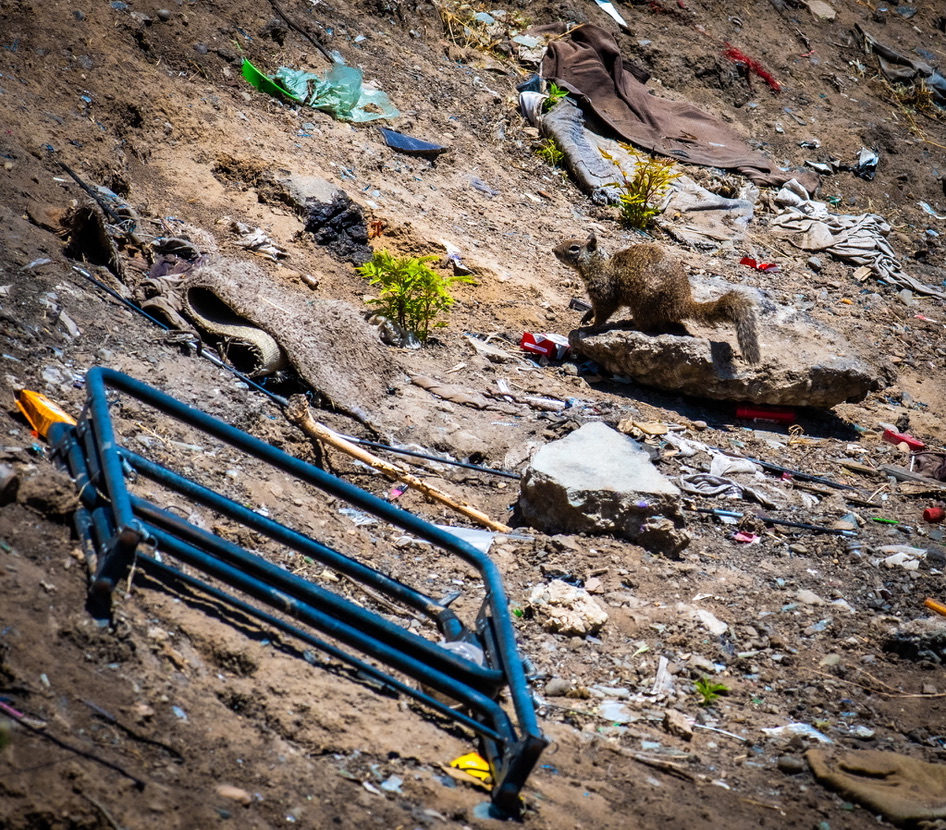
Since then, there have been some attempts at rehabilitation, but the slough has been mostly ignored, left to become a garbage-strewn ditch filled with homeless encampments.
Then in 2023, water refilled the old slough. Many homeless were flooded out with no warning and some parts of the surrounding community were deluged as well, recalled Artie Valencia, Flood and Land Restoration Manager for Restore the Delta.
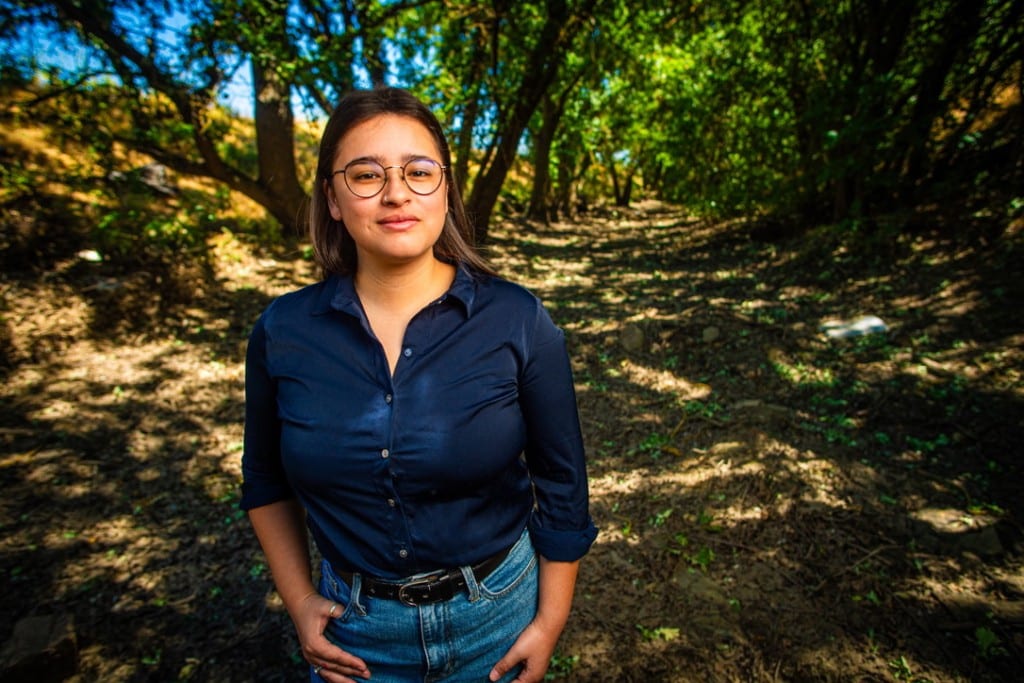
It was clear the slough needed work before another, bigger, flood came, she said.
The levee on its east end at the Calaveras River has significant erosion, making it vulnerable to over topping. At its connection to Stockton’s deep water channel, king tides could bring flooding into the slough from the west, she said.
“We thought, ‘What can we do now to restore the slough, upgrade the levees and do that in a way that it would also be a community asset,’” Valencia said.
Those goals in mind, Restore the Delta built a broad coalition including members of the community, the San Joaquin Area Flood Control Agency, River Partners, American Rivers, the Trust for Public Lands, the City and County of Stockton and others to map out what the Mormon Slough could be.
With $1.2 million in funding from California Jobs First through North Valley Thrive, Restore the Delta has held 70 community meetings, knocked on 3,000 doors and done an analysis of possibilities.
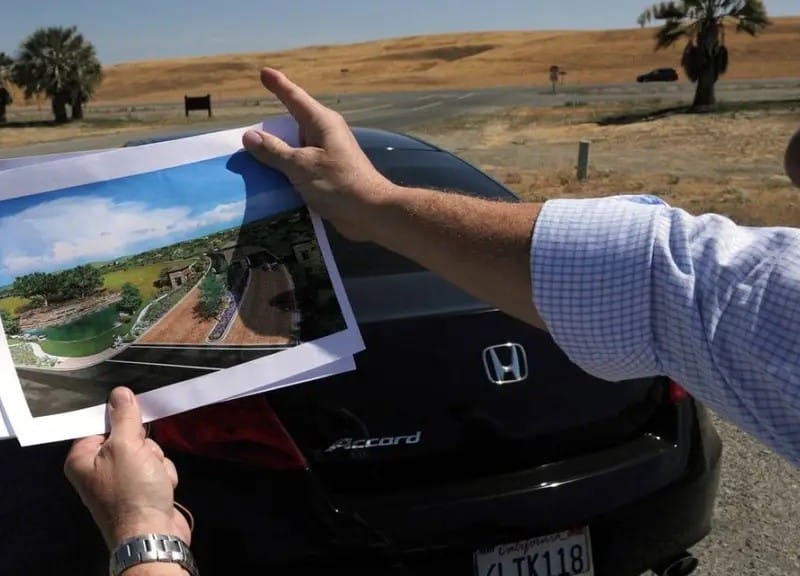
Based on that analysis by River Partners, the coalition is looking at two sites for possible parks, according to Taraneh Emam, a planning coordinator with River Partners.
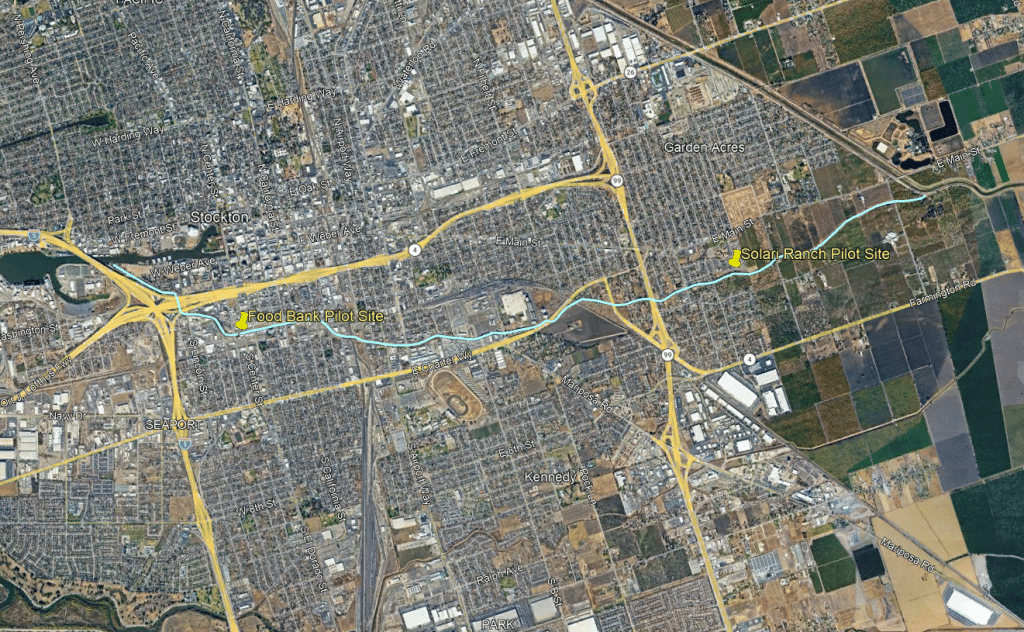
One site is west of Highway 99 near a planned housing development previously called Solari Ranch. That parcel’s owner has long envisioned a park for that plot of land, Emam said.
“It’s been sitting empty just waiting for the right opportunity,” Emam said.
The other site is near the junction of Interstate 5 and Highway 4 near the Stockton food bank. That parcel is owned by the city, which is also “very supportive” of how the area could be improved, she added.
The entire process is still in the planning phase.
“Construction will depend on grant funding,” Emam said.
Valencia said she hopes to have an estimate for construction costs in September.
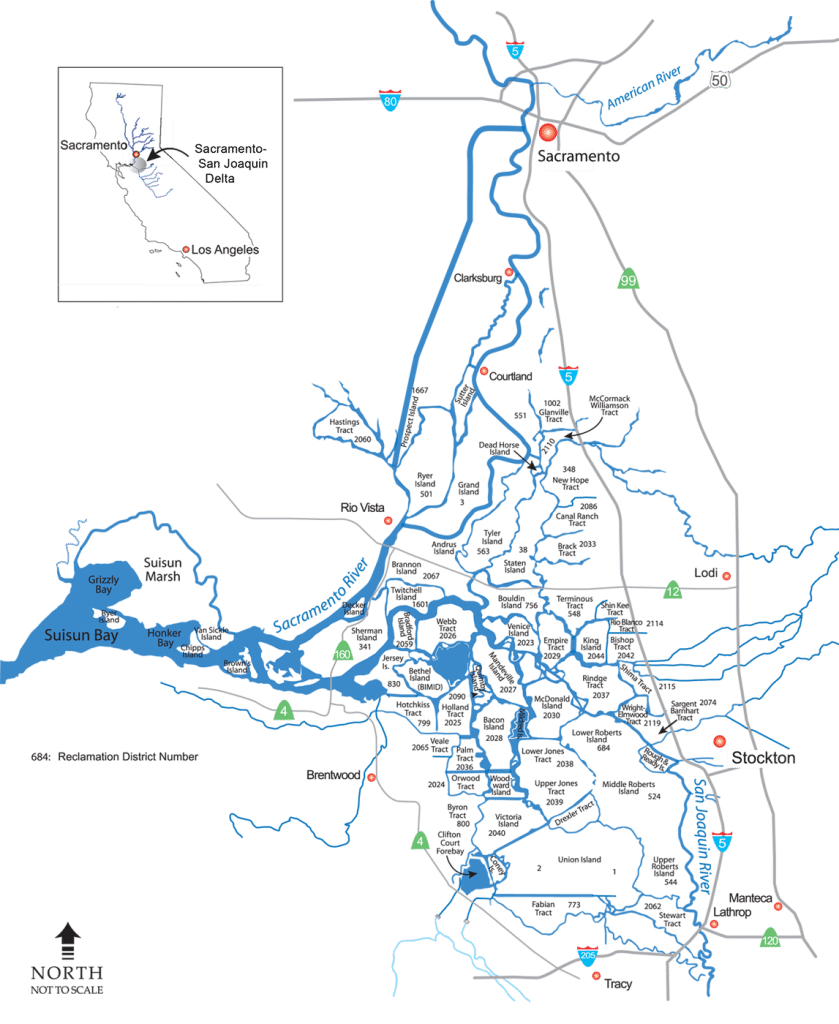
Funding for restoration projects in other parts of the Sacramento-San Joaquin Delta has proved spotty, according to a blog post on the Public Policy Institute of California website.
There is a great deal of need from levee repair to subsidence problems and only so much money to go around, according to Campbell Ingram of the Delta Conservancy. Consensus on projects has also been difficult. “Nobody agrees on anything!” Ingram is quoted in the blog post.
Valencia said the Mormon Slough project is a prime example of how a locally driven project can advance both community needs and broader Delta conservation goals, which is why Restore the Delta focused on building its extensive partnerships.
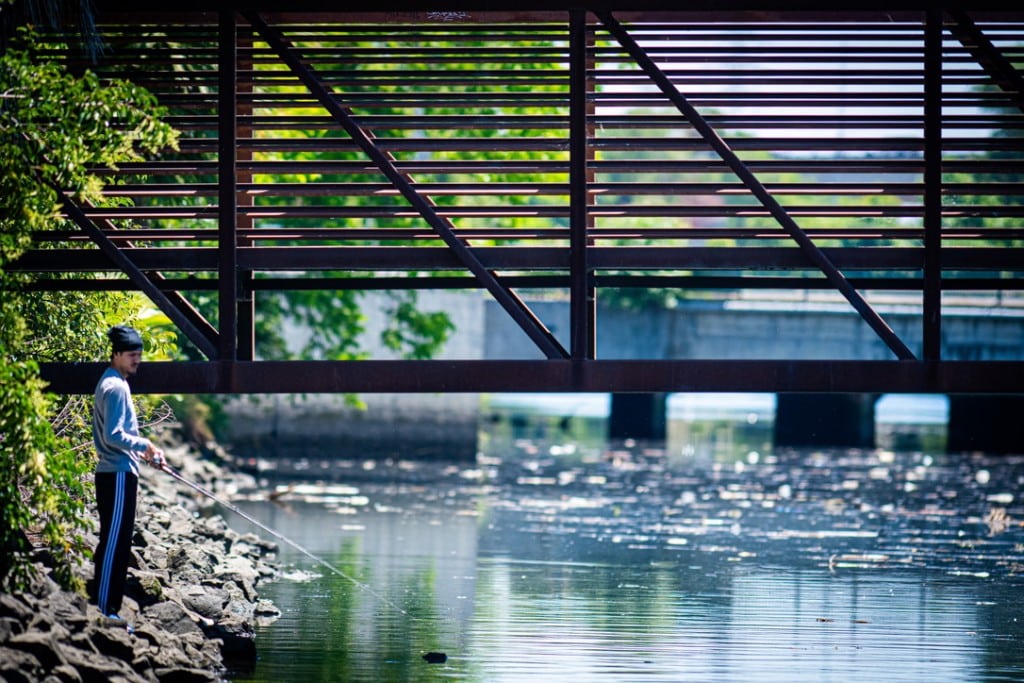
But in the meantime, vandalism and fires have caused damage to several bridges over the slough, prompting the City Council in 2025 to approve a pilot project to install riprap, large chunks of concrete, on the slopes beneath one bridge to discourage people from congregating, according to a Stocktonian article. It cost about $900,000 for just that one bridge, according to the article.
Valencia noted that aside from the expense, riprap can contribute to an urban area’s “heat island” effect, increase the perception that the slough is unsafe and “jeopardize future restoration.”
“We understand the City is looking for solutions to protect public infrastructure,” she wrote in an email. Instead of riprap, she encouraged extending greater services to homeless people and building safe open spaces that the community enjoys and wants to protect.
The public green spaces at the two sites Restore the Delta is working on are just the beginning of a longer term vision for the entire slough. That could include possibly using it to move water more regularly.
“That could help mitigate harmful algal blooms,” she said. “We have a lot of hot, stagnant water in town without a lot of flow.”
But, she added, none of this will happen overnight.
Mormon Slough will be there, waiting, as it has for the past 116 years.
Author