Southern Tulare County farmers, water managers may seek mediation to mend relations
The entrenchment and vitriol among water managers in southern Tulare County is starting to resemble a nasty divorce.
Instead of coming together in the face of a looming state plan to ban all pumping along the Friant-Kern Canal in the Tule subbasin, the acrimony has only grown worse.
Now, there’s a plan to try and bring the temperature down through mediation to help the tattered subbasin form a cohesive plan and stave off the proposed state pumping ban, which would impact up to 60,000 acres.
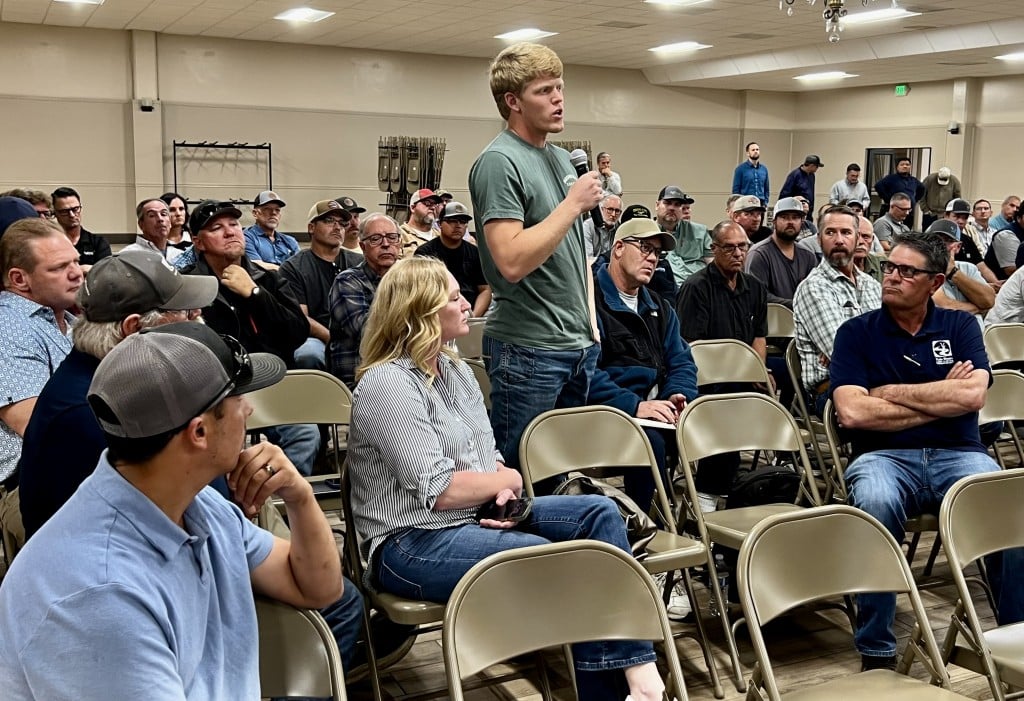
More than 100 people showed up at a meeting on Nov. 11 in Tulare where they were beseeched to consider the mediation plan, which comes on the heels of at least one other “straw proposal” floated last month.
The goal of the mediation is to show the Water Resources Control Board that basin managers are working together on a groundwater management plan and seek a delay on the pumping moratorium.
“The state board won’t give a s**t that we’re doing something different again unless it comes with real reductions in pumping.”
– Tule subbasin water manager who asked not to be named
Water Board staff plan to have a draft of the state’s pumping plan ready by Jan. 27 and the board will vote on it by March.
Tule East GSA president Mike George liked the mediation idea.
“We have not been successful coordinating in the Tule basin and we need some help from folks with good experience who don’t have a dog in the fight,” George said at another grower meeting in Porterville on Monday.
But not everyone was on board.
“The state board won’t give a s**t that we’re doing something different again unless it comes with real reductions in pumping,” was the reaction of one water manager who didn’t want his name used.
It would cost $1 million to hire the mediators. That would be shared by the subbasin’s 12 groundwater sustainability agencies (GSAs). Each attorney and the technical adviser would be paid $20,000 a month through October 2027, when a groundwater sustainability plan would be released to the public.
The panel would include former Bureau of Reclamation director Ernest Conant, a longtime water attorney, and retired attorneys Gary Sawyers and Kevin O’Brien.
At least two GSAs have already spent nearly $150,000 on a public relations campaign to try and convince the state they are working toward solutions. That effort has not succeeded in fending off further state sanctions.
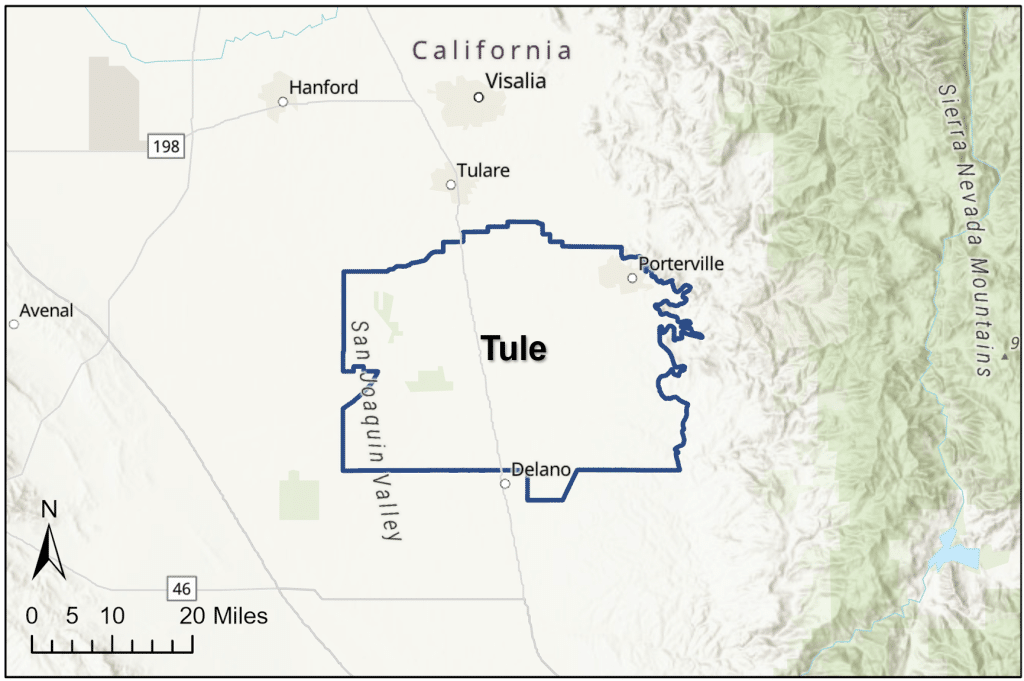
The Tule subbasin was put on probation in 2024 for lacking a groundwater plan that would stop subsidence and protect domestic wells. Probation comes with steep fees and required pumping reports from farmers.
Since then, the number of GSAs has gone from six to 12 and efforts to coordinate among them have failed. The division was so bad it prompted the formation of a policy group that has met for more than a year with limited consensus and rampant finger-pointing.
The mediation idea came from attorney Russ McGlothlin, recently hired by Porterville and Saucelito Irrigation District GSAs.
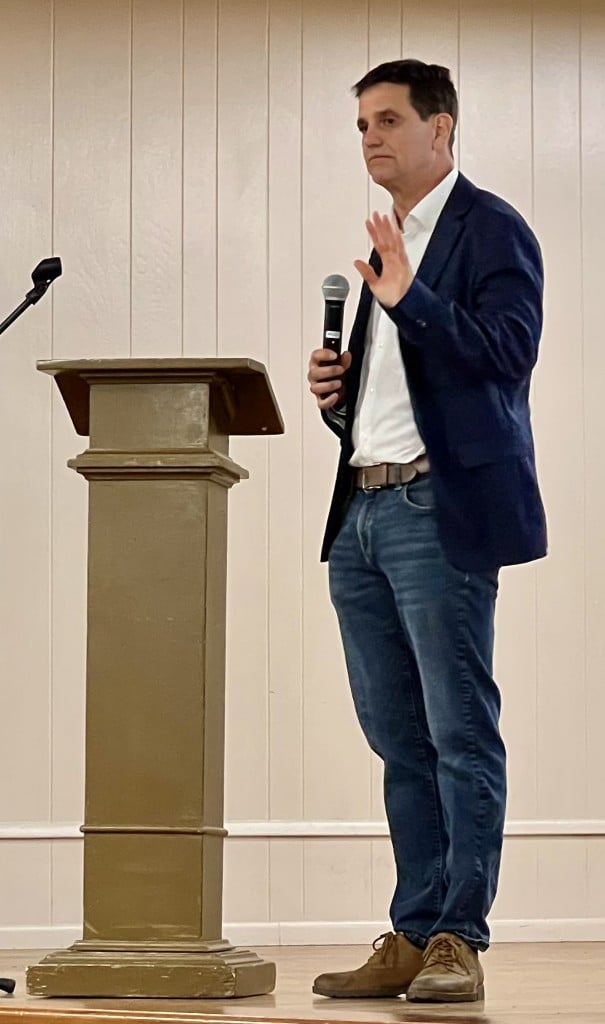
He said during the Nov. 11 meeting that the alternative, adjudication where a judge decides who can pump how much, would be worse and likened it to a “thousand-sided knife.”
He reminded the audience that even if the Tule goes into adjudication, the Water Board’s pumping plan would still be in effect and landowners would still be subject to probationary fees, including an increased pumping fee of $35 per acre foot.
“I encourage you to support (the proposal) because the alternative is significant litigation,” he said, adding that a compromise plan, even one with difficult pumping limits, is far better.
“The facts are not going to be likeable but they will be tolerable or at least acceptable,” he said
A significant hurdle would be getting buy-in from the Friant Water Authority, which wants growers to pay for damage to the canal from over pumping.
Friant Chief Executive Officer Johnny Amaral attended the Nov. 11 meeting and said the authority is willing to work with anyone who shares its objective of protecting the canal.
San Jose-based financial adviser Matt Roberson, who has several clients in the Tule subbasin likened a state pumping moratorium to a nuclear bomb being dropped on the county’s economy.
Already, in areas without multiple water sources, land values have plummeted from $20,000 an acre to $2,000 an acre.
“I don’t think people appreciate what’s coming, meaning everything will be affected from property tax income to services, schools, hospitals, all the support industries. We appreciate what the state’s trying to do, but they haven’t offered solutions to save the county.”