Kern’s golden mussel fight expected to cost $36 million annually
No silver bullets to eradicate golden mussels were revealed at a symposium on the invasive species held Wednesday by the Water Association of Kern County and Kern County Farm Bureau.
But participants got a solid overview of what water districts have learned so far – what’s worked, what to look out for and how big the bill is expected to be
Agricultural water districts in Kern have spent about $9 million combined trying to keep the rapidly reproducing, pipe clogging little mollusks at bay, according to Stacy Kuwahara, Assistant County Administrative Officer.
She said she expects those costs to balloon to $36 million a year – conservatively.
A number of people in attendance asked about the state’s response and Kuwahara had very little good news.
She said the county, which declared a local emergency in May, continues to advocate for the Governor’s office to declare a statewide emergency. That would potentially kickstart the California Office of Emergency Services’ process of reimbursing water districts for what they’ve spent to date.
But, Kuwahara said, Kern has had no luck, even as San Joaquin, Sacramento and Yolo have also declared emergencies.
“So, counties at the top of California’s water system and the bottom, and I assume in the middle, are all dealing with this now,” she said.
Part of the problem is getting CalOES to “conceptualize” the nature of this disaster, she said. That’s because when districts have success treating for golden mussels, the “disaster” seems to go away.
But then it comes back. And will continue coming back as golden mussels are rife in the Sacramento-San Joaquin Delta, which is infecting the state’s entire water system via deliveries through the California Aqueduct.
Meanwhile, the Department of Water Resources, which runs the aqueduct, has been studying the golden mussel but not treating water in the aqueduct for the mussels and their larvae, called veligers. So, state water continues to be an agent of re-infection.
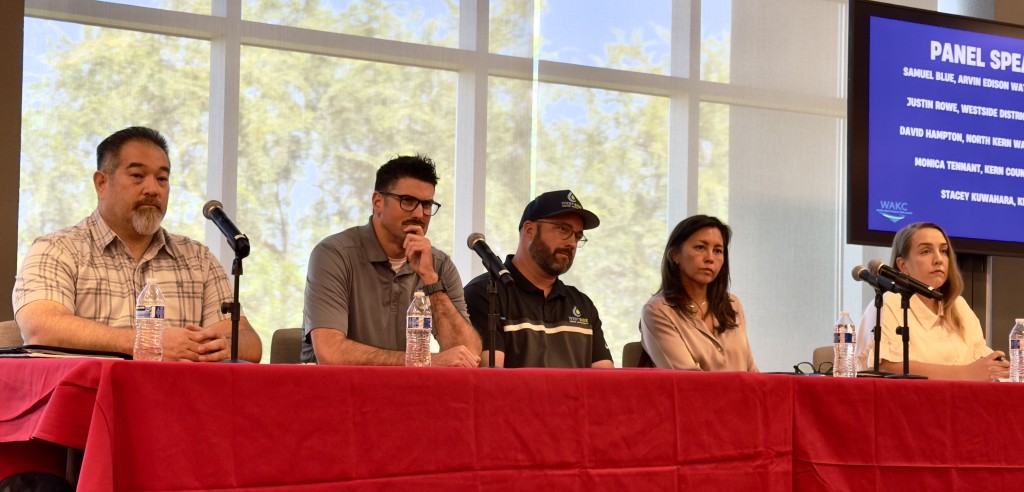
“Just treating the aqueduct at low doses for veligers and getting state funding to support our efforts would, literally, solve most of water districts’ problems,” said Justin Rowe, assistant general manager of the Westside Water Authority, which includes the Belridge Water Storage District, Berrenda Mesa and Lost Hills water districts in western Kern County and the Dudley Ridge Water District in southern Kings County.
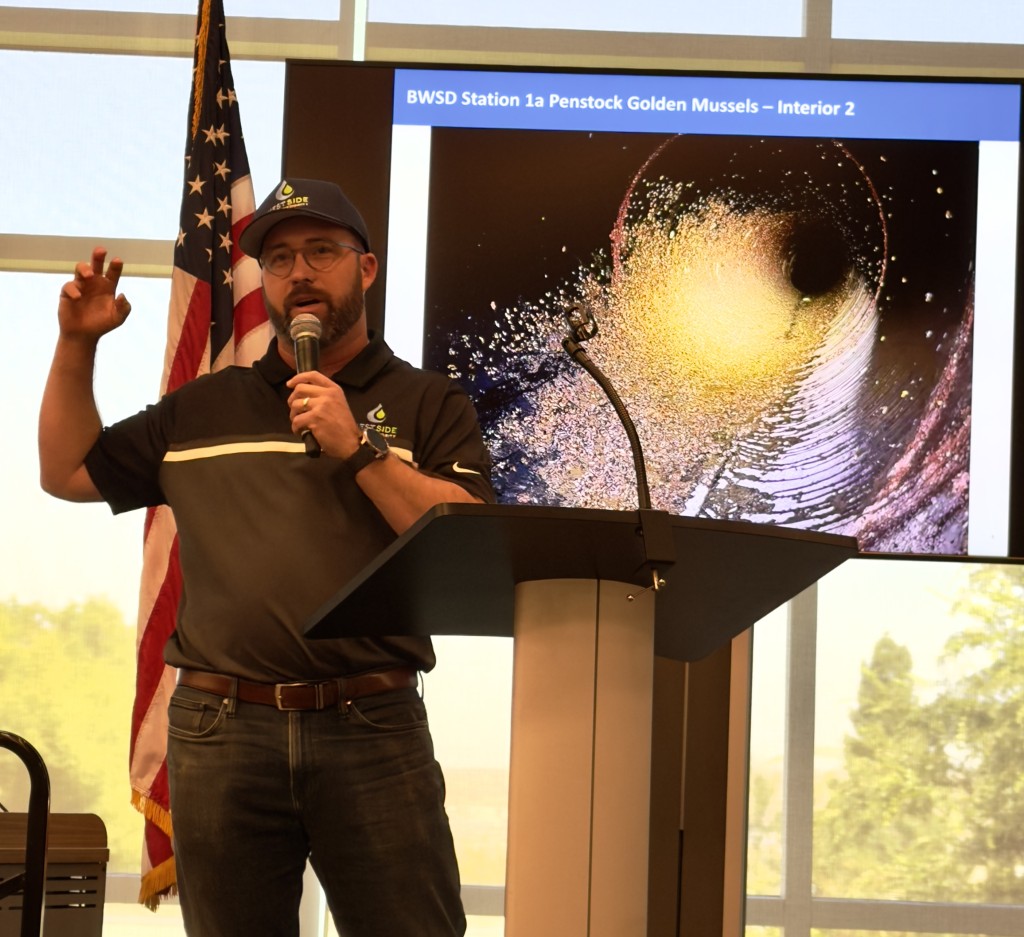
The Westside Water Authority, which covers 412 square miles irrigated almost exclusively by water from the aqueduct, discovered golden mussels in its system in October 2025. That’s one year after they were first introduced into the Delta likely from ballast water released by cargo ships from China.
The Westside Water Authority did an initial treatment with a copper-based chemical at high doses to kill off the adults and has since converted to lower doses for the veligers. Rowe said that resulted in 100% mortality.
But new supplies are expected to bring more mussels.
Cost so far for the Westside Water Authority is $3.8 million.
Panelists also noted that emergency permits for one time, heavy treatments can be obtained without CEQA review. But ongoing treatment will likely require study under the California Environmental Quality Act. Which is another reason water managers are hoping for a statewide emergency declaration, to ease regulations.
Other than that, their biggest take aways from combatting the mussels are that diligent water testing and thorough inspections are a must.
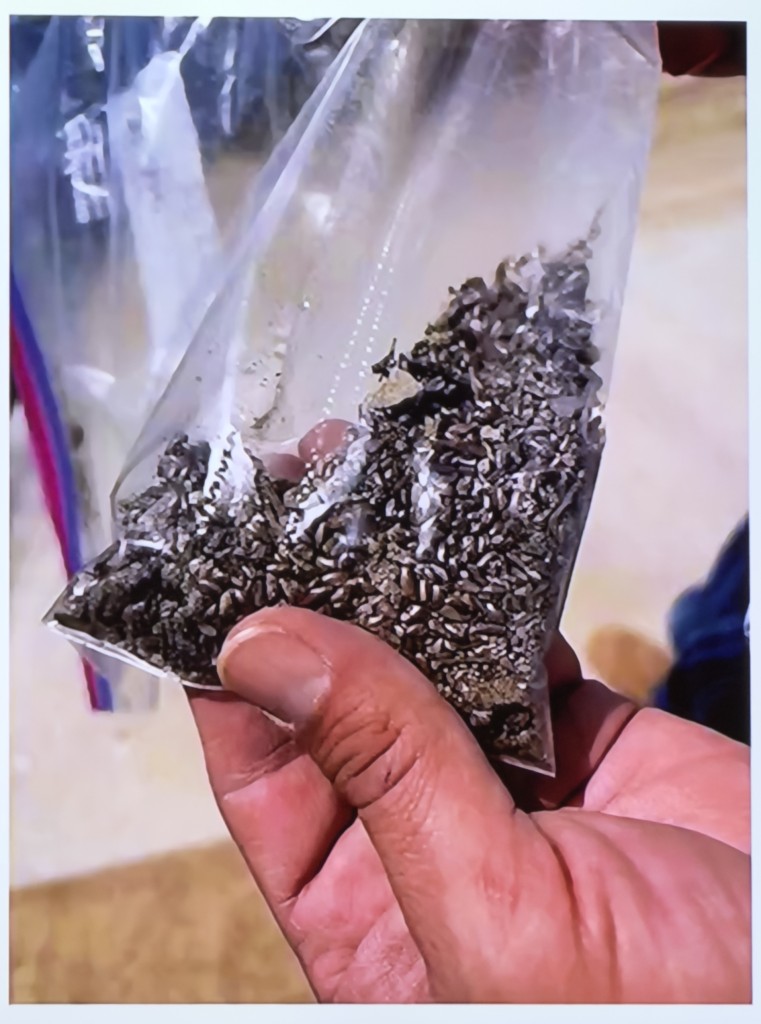
Dave Hampton, general manager of North Kern Water Storage District, said the district thought it had escaped the fate of other districts but discovered an alarming infestation in May hidden under silt in one rarely used canal. North Kern, which relies primarily on Kern River water, had run water from the aqueduct in its system for only two months last fall. But that was enough.
The district has spent more than $5 million on copper treatments, monitoring and testing, so far, Hampton said.
Costs have not yet been passed on to growers, Hampton and others said. But that is a likely outcome if districts have to continue treating water supplies at this level.
The Kern County Water Agency, which found mussels in its crucial Cross Valley Canal, is still working on a feasibility study looking at long term effects to determine best treatment options, according to Water Resources Planner Monica Tennant. That’s because the canal moves both agricultural and water for drinking systems. So the agency wants to understand all the consequences of different treatment options before it acts.
She stressed that while mussels were found in raw water destined for the agency’s domestic treatment plant, no mussels have been found in the plant nor the distribution systems that convey that water to urban water purveyors.
There were several questions from audience members about the Kern River and Lake Isabella, which currently remain mussel free.
But other than a public information campaign alerting boaters to “clean, drain and dry” boats before moving from one lake to another, neither the county, the state, nor the federal government have any mandatory inspection or cleaning sites at Isabella or anywhere on the Kern River system.
The California Department of Fish and Wildlife recently announced it is seeking to amend the California Code of Regulations to address water craft that have been in mussel infested waters, such as the Delta. The amendments would mandate inspections if the vessel has been in the water for four or more consecutive nights.
That proposal is slated to be discussed at the department’s August 18 meeting.
Author