Golden mussels skip over one Kings County water district even as they infest surrounding districts
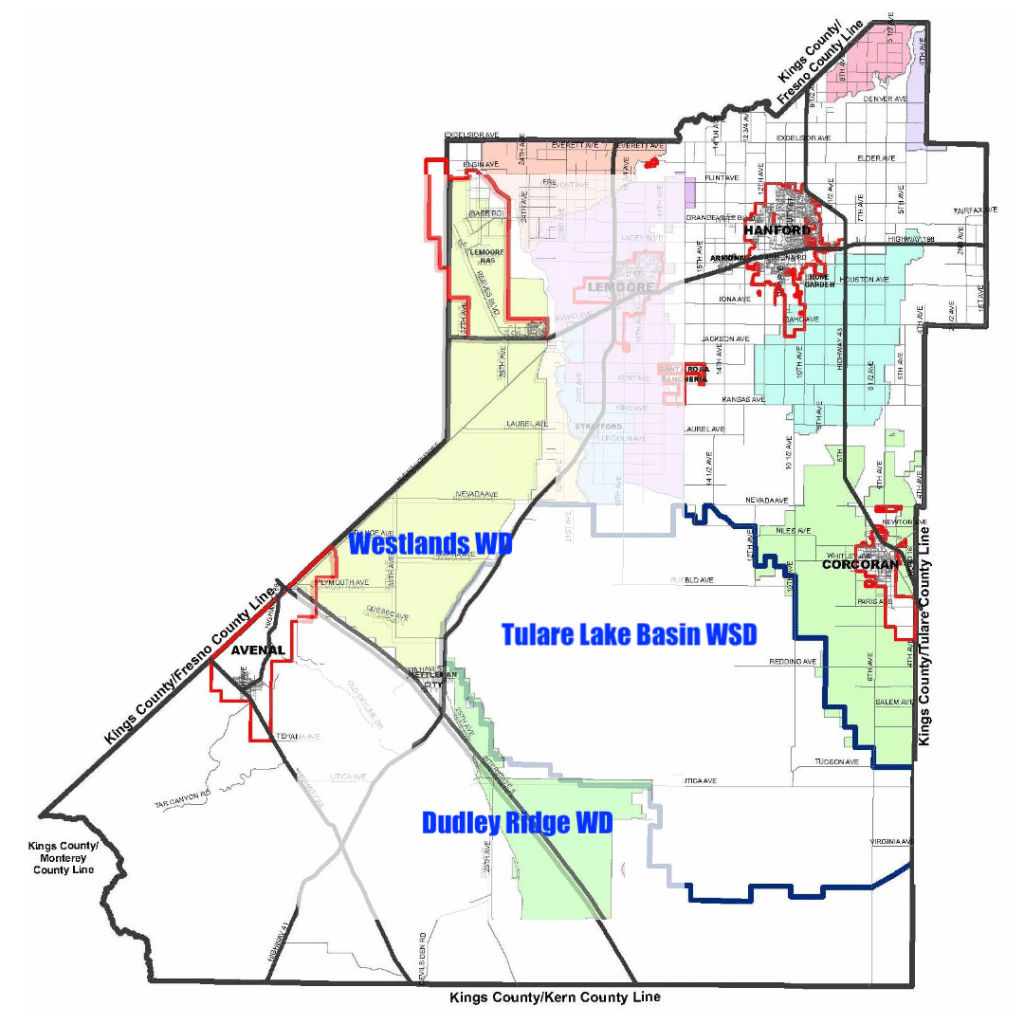
Golden mussels appear to have – so far – skipped one district in Kings County, Tulare Lake Basin Water Storage District.
The invasive species wreaking havoc throughout California’s water systems from Yolo to San Diego counties are in districts immediately to the north and south, but not the Tulare Lake Basin district, according to General Manager JJ Westra.
“We’ve looked for them, but we haven’t seen them,” Westra told SJV Water after the district’s board meeting Sept. 8.
It’s not because Tulare Lake Basin hasn’t taken deliveries from the State Water Project, which is spreading the mussels from their initial infestation point in the Sacramento-San Joaquin Delta, throughout California.
Tulare Lake Basin has taken 43,760 acre feet of water off the aqueduct as of Aug. 31.
But no mussels, Westra said.
He added that none of Tulare Lake Basin’s farmers have reported seeing the tiny mollusks in their systems either.
A representative for one of Tulare Lake Basin’s largest farmers, the J.G. Boswell Farming Company, did not return a phone call and email seeking comment.
Sandridge Partners, LP, another large Tulare Lake Basin farmer, confirmed it has not found mussels in its systems, according to Chief Operations Officer Craig Andrew.
But if it does find them, Andrew will sound the alarm, he said.
“If I knew I had them, I would tell everyone,” Andrew said. “I don’t know why anybody would withhold that information.”
How has Tulare Lake Basin escaped the golden mussel fate plaguing so many other districts?
“We just don’t know,” Westra told SJV Water.
Meanwhile, Dudley Ridge Water District, on Tulare Lake Basin’s immediate southern border, has spent $440,000 fighting mussels after discovering them in its system this past April, according to General Manager Justin Rowe.
After applying a copper-based treatment, the district has observed 100% mussel mortality, Rowe wrote in an email. He said he hasn’t heard from Dudley Ridge farmers if they’ve found mussels – dead or alive – in their equipment, which has happened in the Beldrige Water District south of the Kern County line where farmers have found mussel shells.
The Westlands Water District, which shares Tulare Lake Basin’s northwest border, has also been battling the invasive mollusks. It first detected golden mussels in its system in Nov. 2025, according to a press release from the district.
Luckily, according to Kelly Vandergon, Deputy General Manager, Westlands’ infestation isn’t as heavy as elsewhere.
“I don’t think there’s a lot of answers as to why we’re just not seeing the mussel densities that some of the water districts, both north and south of us are seeing on their distribution systems, just based off of meeting with Arvin-Edison, North Kern, they’ve been impacted heavier than we have,” Vandergon said during a Westlands board of directors meeting on Aug. 16.
He referred to water districts in Kern County where costs to fight the mussel are expected to top $36 million a year.
The rapidly reproducing species, likely from China, were first detected in state water systems in October 2024, according to the Department of Fish and Wildlife. The tiny mollusks cling to the insides of pipes and build up massive colonies that can wreck equipment and clog water flow.
- SJV Water team members Allison Hunter and Lois Henry contributed to this report