Water, water everywhere
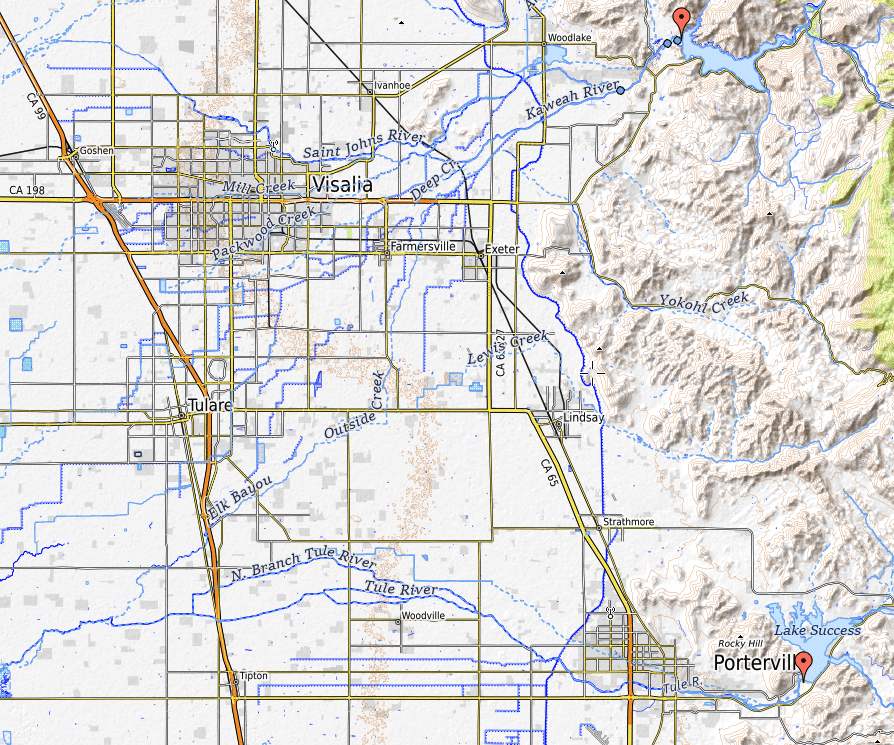
After the Army Corps of Engineers began dumping water out of Kaweah and Success lakes late Thursday in response to President Trump’s Jan. 24 emergency order, Tulare County’s waterways, typically dry this time of year, sprang to life.
The Kaweah and St. John’s rivers, which both come out of Lake Kaweah, were full on Saturday as was the Tule River and various canals.
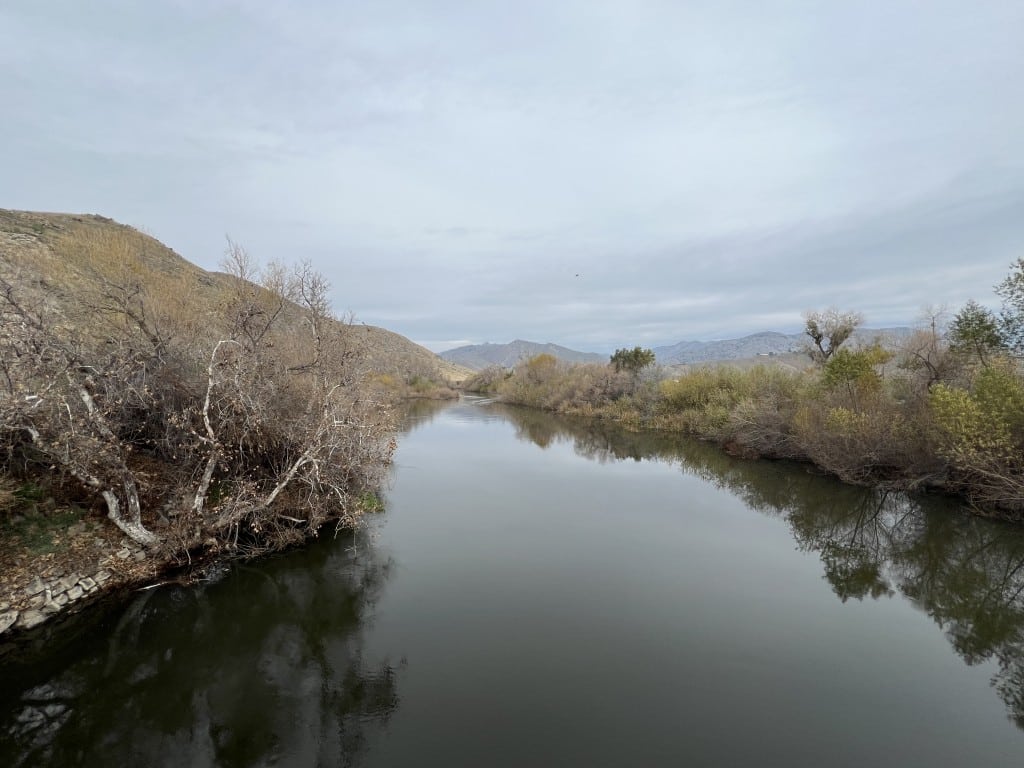
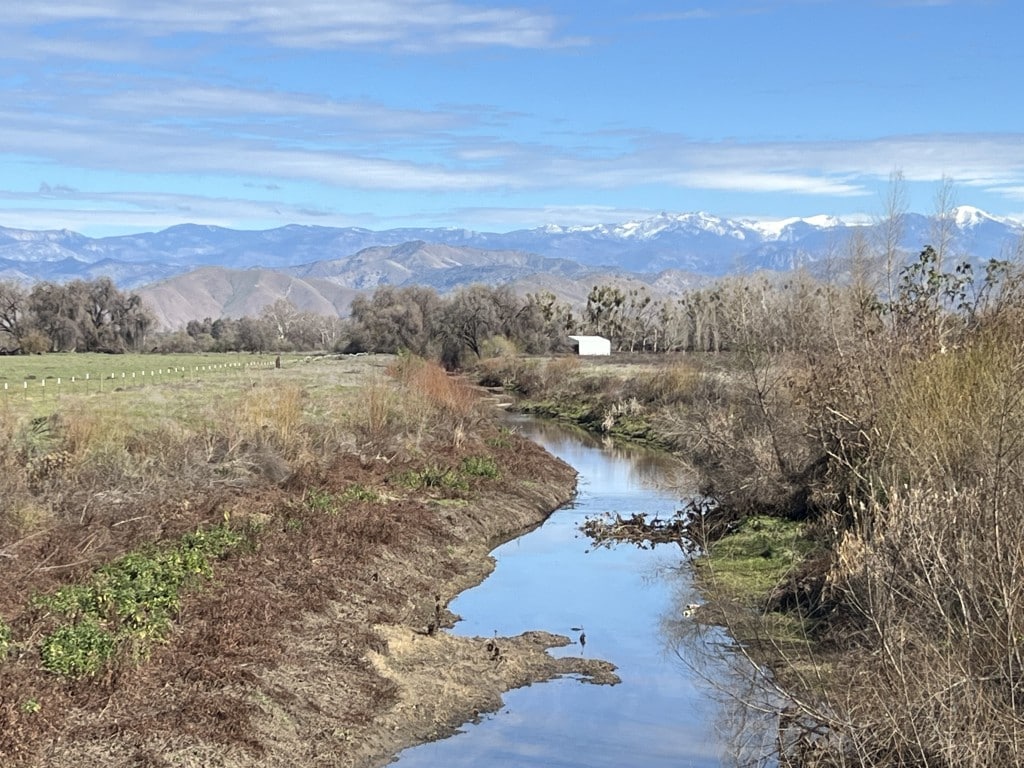


All are usually dry in winter as there is little to no irrigation demand so releases from the lakes are limited.
But in order to comply with Trump’s order for federal officials to exert all efforts to increase water availability to help fight southern California wildfires, the Army Corps began releasing all water that was above the lake’s “flood control capacity.” That refers to space for anticipated winter storms and spring runoff.
In dry years, such as this is shaping up to be, however, the Army Corps works with agricultural districts to hold more water, or “encroach” on that flood control space, for later use.
That encroachment amount was about 27,000 acre feet in Lake Kaweah and 5,000 acre feet in Lake Success.
After the Army Corps initially said it would release the water at “channel capacity,” meaning the maximum amount rivers could take, it backed off and let the water out in a more measured manner to protect levees and other infrastructure.
The Army Corp’s website, which reports hourly outflows of all its reservoirs, showed releases had topped out at 990 cubic feet per second Friday at 9 a.m. from Success. By Saturday, those flows were down to 496 cfs. Lake Kaweah outflows ran at a maximum 1,545 cfs from 10 a.m. to 5 p.m. on Friday, slowing to 916 cfs by Saturday evening.
That was still enough to fill the county’s rivers, streams and diversion canals where downstream water managers were moving it into groundwater recharge facilities.
Author