Residents below Isabella Dam again swamped by seepage after new pump runs out of gas

Residents living below the Isabella Auxiliary Dam were thrilled earlier this month with a temporary fix that finally dried up excessive seepage from the dam that had been swamping septic systems and breeding forests of mosquito-infested weeds around their homes.
The didn’t realize how temporary the fix would be, however. After only 12 days without a river cutting through his land, rancher Gerald Wenstrand woke up to see the seepage back on Saturday.
“This morning, 10/14/23, excess dam water seepage is being dumped on us again!” he texted.
The problem, apparently, was fuel, according to Ray Etcheverry. His wife’s family owns land in the area.
He said the Army Corps of Engineers, which owns and operates the Auxiliary Dam, didn’t have enough fuel to keep a temporary pump running long term. The pump was hoisting seepage back over the dam and into the lake
When fuel deliveries were delayed, the pump quit working and the seepage started flowing toward residents again.
The Army Corps acknowledged that’s what happened, according to a spokesman.
“As a result, some seepage did flow downstream, and then ceased when our team successfully routed the water to a storage tank this morning (Tuesday, Oct. 17),” the spokesman wrote in an email.
He said a new contract had been set up to keep the pump gassed up and running and he apologized for not having reached out to downstream residents.
The seepage debacle, though, has been ongoing for more than six months after Lake Isabella filled rapidly during the region’s extremely wet winter.
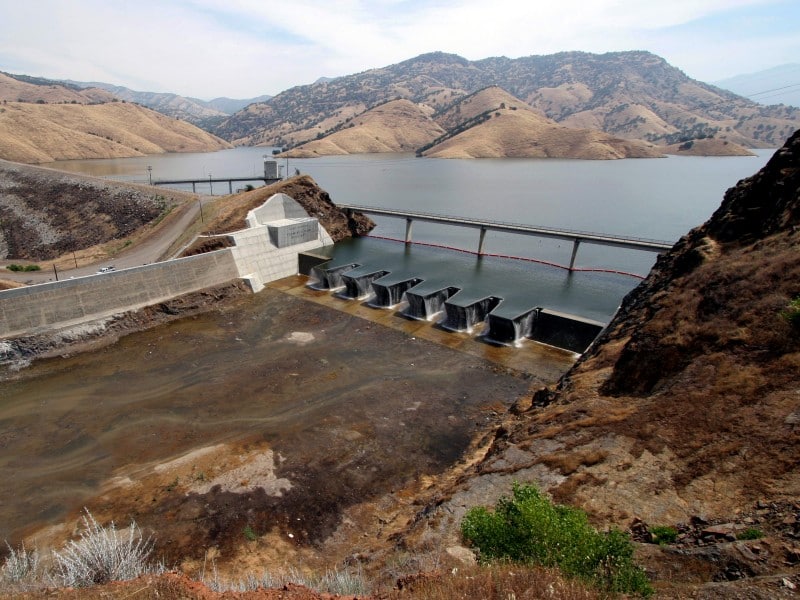
The Army Corps has said the seepage is not a hazard to the dam, which was rebuilt recently for, among other reasons, excessive seepage that had been causing erosion.
The Army Corps created a cistern and monitoring system to make sure seepage through the Auxiliary Dam wasn’t again causing erosion. And it created a pump system to move the water back into the lake.
But it was too small to handle the amount of seepage, leading to problems for homeowners, including one woman who had to have her septic pumped four times since April.
Residents said they were told the Army Corps didn’t expect the lake to fill for another five years so hadn’t installed a sufficient pumping system.
After media reports about the seepage, the Army Corps installed the temporary pump during the first week of October.
Author