Rapid golden mussel infestation prompts Kern Supervisors to consider local emergency
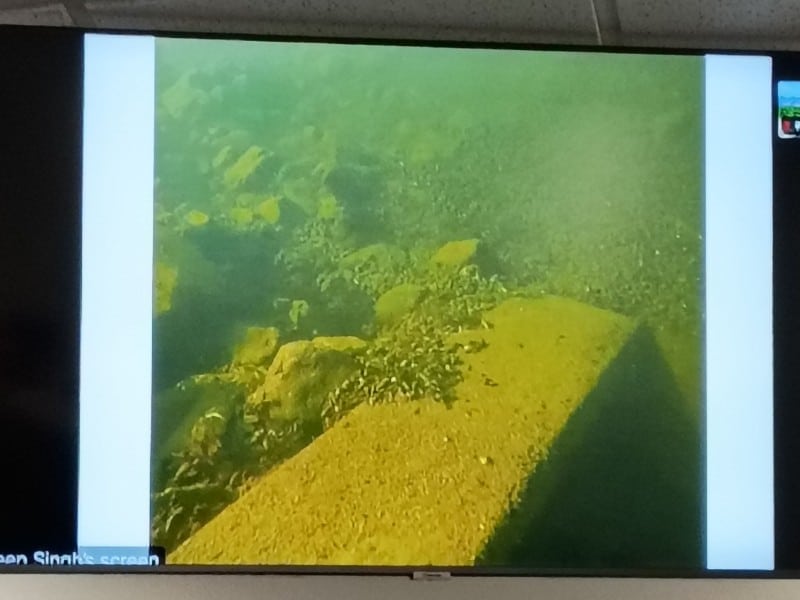
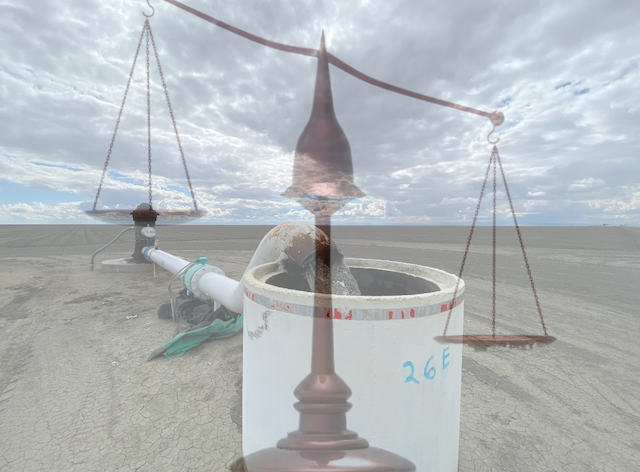
The Kern County Board of Supervisors on Tuesday will consider whether to declare a local emergency in response to the rapid infestation of local water facilities by the invasive golden mussel.
Local agricultural water districts have already spent millions dosing their systems with various copper-based chemical treatments in an attempt to kill off the mussels.
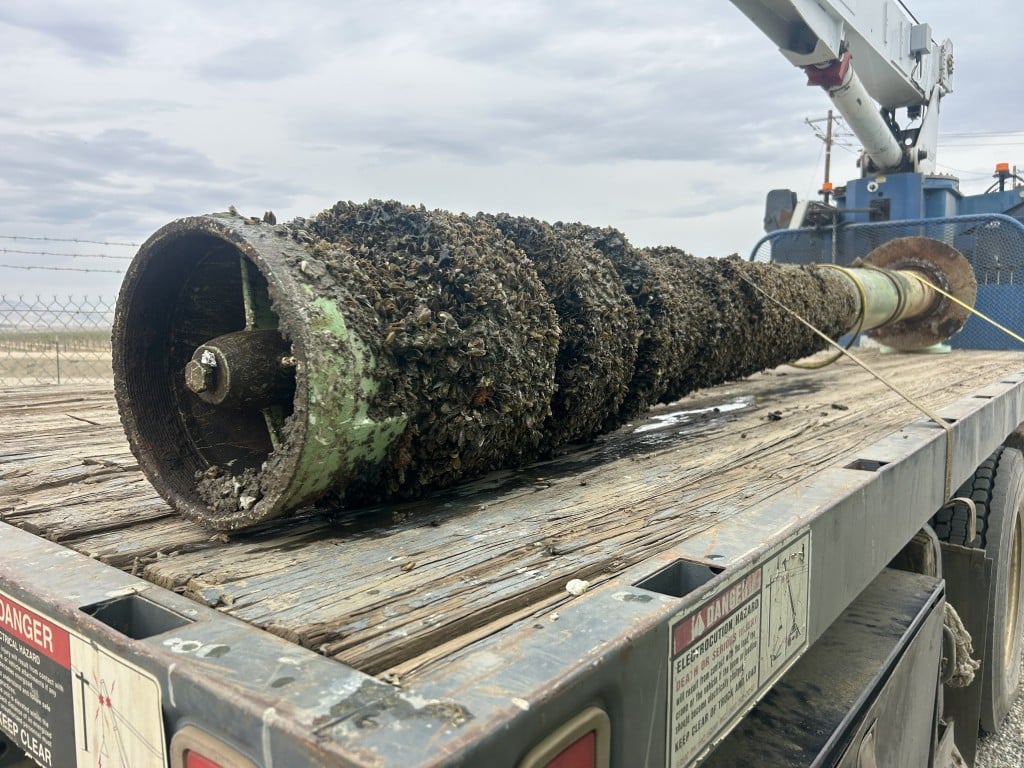
And one of the county’s key canals that supplies ag and municipal districts had to be “de-watered” for workers to find and scrape out the tiny mollusks, which can quickly build up on surfaces, clogging pipes and rendering equipment unusable.
“Kern County must stand with our farmers and water districts to combat this emerging threat,” wrote Supervisor Jeff Flores in a text to SJV Water. Flores asked county staff to research the issue at the board’s April 28 meeting.
Declaring a local emergency won’t necessarily kick any money loose from state or federal agencies, but will position Kern agencies for assistance, including regulatory approvals, according to a report by the County Administrative Office, which is recommending approval of the declaration.
If approved, the emergency declaration will follow a similar emergency declaration by the San Joaquin County Board of Supervisors made on April 28.
San Joaquin County includes the Port of Stockton, which is “ground zero” for the mussel infestation, according to Supervisor Mario Gardea.
He said the mussels, apparently, were carried here with ballast water from incoming ships. That ballast water is supposed to be dumped before ships come under the Golden Gate bridge.
“Clearly, that didn’t happen,” he said, which is one reason he and other supervisors were in Washington, D.C. on Friday, May 8, meeting with members of the Federal Maritime Commission.
“We’ve been working on this for the past eight months,” he said. “Our emergency declaration was meant to sound an alarm so everyone knows how important it is to get ahead of this.”
He said given the rapid spread and how impervious the golden mussel is to various forms of treatment, he believes mitigation, not eradication, is the state’s only option at this point.
As an example of how difficult eradication would be, Gardea explained that a seagull can eat a golden mussel, but the veliger (its offspring) will stay alive in the seagull’s stomach and be excreted later. If it plops into a body of water, the veliger becomes another point of infestation.
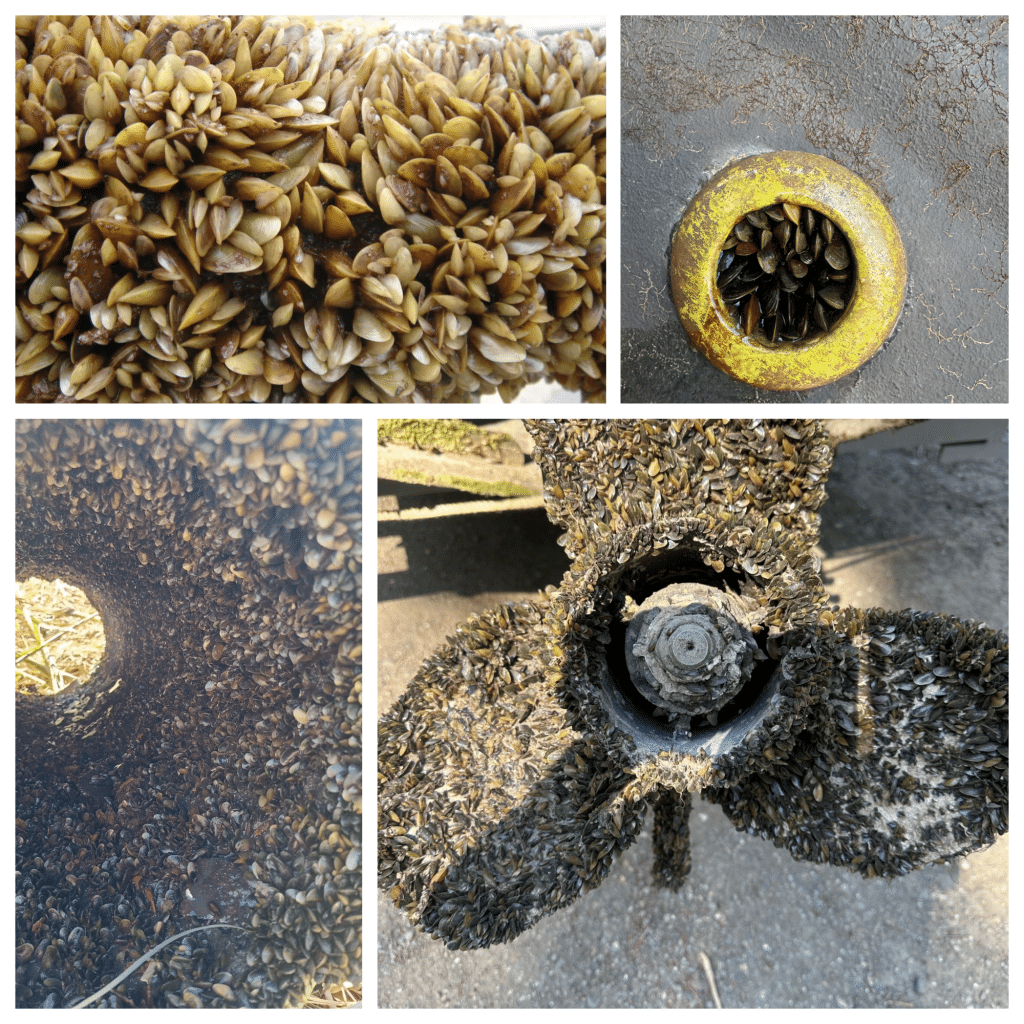
San Joaquin County agencies have been trying a variety of measures including chemicals, infrared treatments and special paints that mussels can’t cling to.
Still, the mussels are in storm drains, irrigation pipes, on docks and pilings in the Sacramento-San Joaquin Delta, pumps, sprinklers and have even crept into golf course equipment.
Gardea said one of the most promising treatments he’s seen for preventing the spread via boats is in Utah where a company called Clean Wake has created a pre-launch pool for boats, filled with 120-degree water to kill anything clinging to boat hulls and props.
“That’s actually been very successful,” he said. “I’d like to see it instituted throughout California. But it will take money. And working with DWR has been….slow.”
The Department of Water Resources has put together a golden mussel task force with best practices tips and is piloting and studying several eradication methods.
“But we’re doing our own testing,” Gardea said. “We can’t rely on state studies that are two to three years out.”
He urged the state to come up with funding for mitigation, he added.
Tiffany Cacho, director of the Office of Emergency Services in San Joaquin County, said there’s still a lot they are trying to figure out about how the mussel spreads. Including whether it can foul fire fighting equipment if raw supplies have to be drawn directly from infested waters.
She’s hoping the emergency declaration will provide funding options and federal and state waivers for work the county may need to do in local water ways.
“We have to figure out a way to combat this that is sustainable,” she said.
To that end, Wheeler Ridge Maricopa Water Storage District, which discovered the mussels in its system south of Bakersfield back in July 2025. It set aside $2.5 million to fight the mollusk and began treatment with a copper-based chemical on its main canal serving the east side of its district on April 27, according to water resources director Eric McDaris.
McDaris hasn’t seen any dead mussels yet.
Wheeler-Ridge opted to dose its canal at smaller amounts over a longer period than neighboring Arvin-Edison Water Storage District.
“We want to see if we have efficacy at lower amounts,” McDaris said. This initial round of treatment will last a month to 45 days and cost $293,000. It will repeat dosing as needed over the course of a year.
Author