West Kern water districts ink 59-year deal to buy water from southern California
It’s usually the other way around.
Southern California urban areas are typically on the hunt for more and more water from agricultural regions.
In this case, though, four Kern County, and one Kings County, ag water districts have entered into a 59-year agreement to buy water from an over-the-Grapevine agency in southern California.
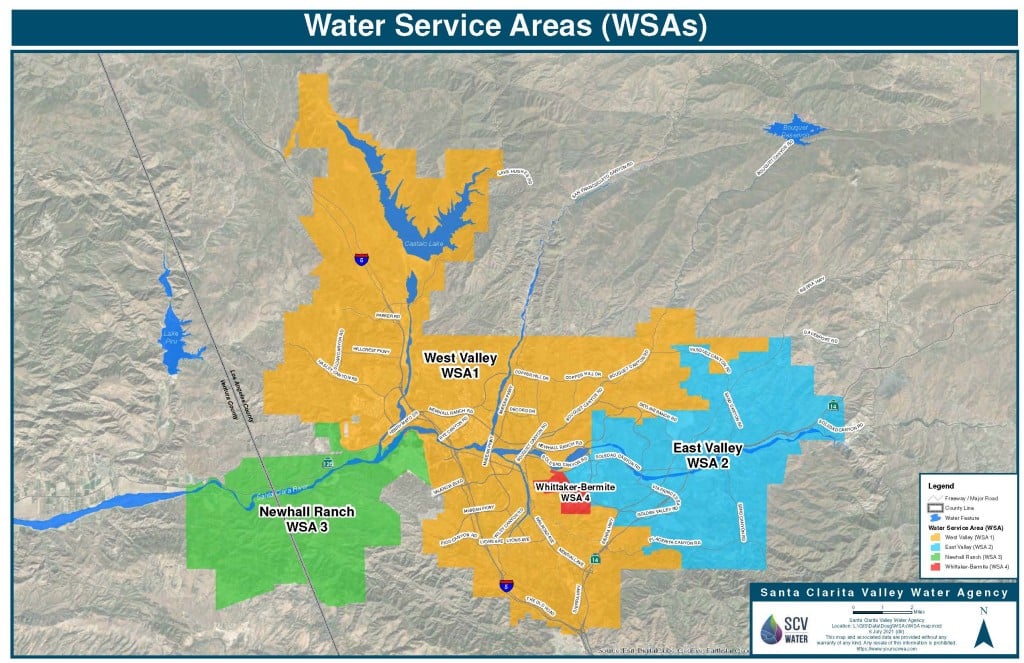
The water will come from Santa Clarita Valley Water (SCVW), which wholesales supplies to several purveyors serving about 300,000 urban dwellers in northwestern Los Angeles County.
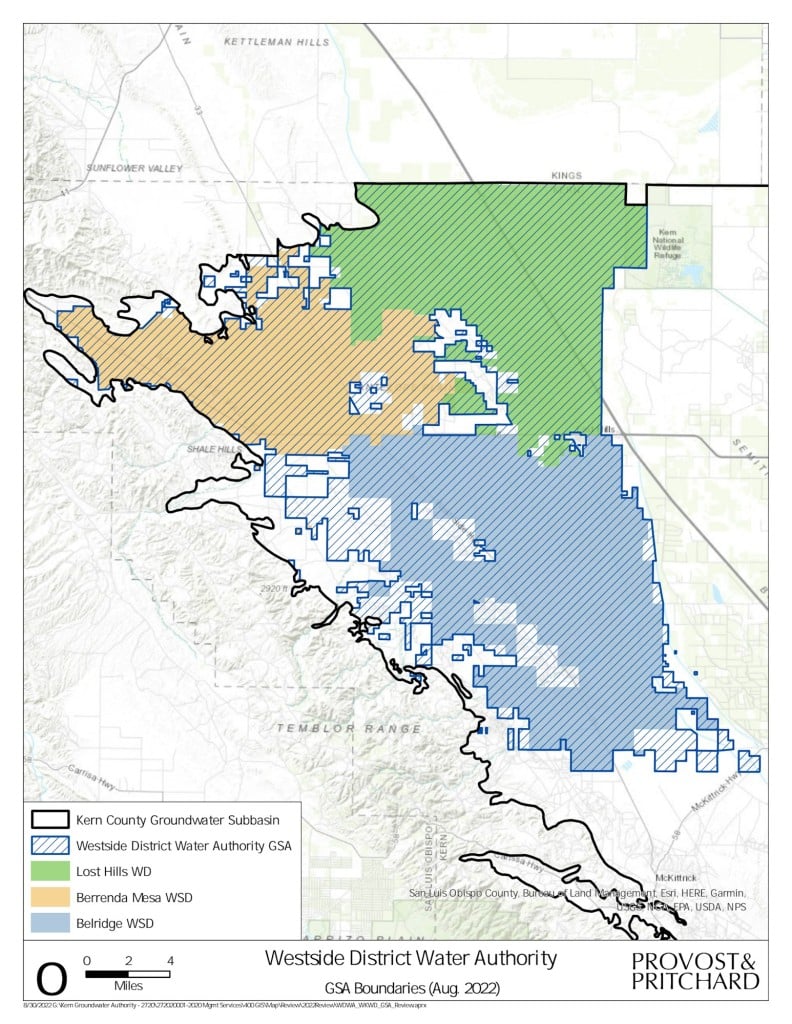
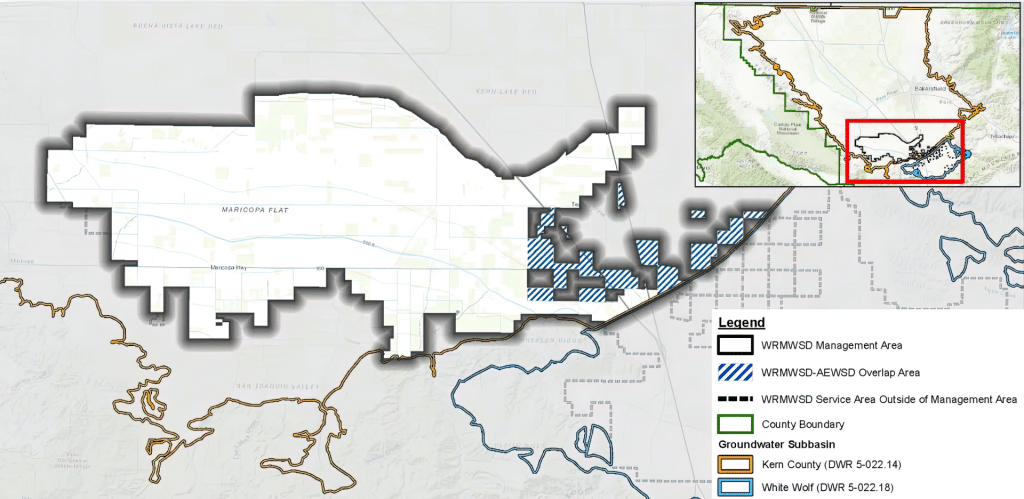
The ag districts, collectively called the “Westside Districts,” include the Belridge and Wheeler Ridge-Maricopa water storage districts along with the Berrenda Mesa and Lost Hills water districts in Kern County and the Dudley Ridge Water District in Kings County.
“With SGMA, ag districts are out looking for ways to bring in more water without paying dry-year prices,” said Matt Stone, General Manager of SCVW.
He referred to the Sustainable Groundwater Management Act, which requires overdrafted areas bring aquifers into balance by 2040. That will require either “new water” or significantly less pumping in the San Joaquin Valley. Even with more water recharge, though, it’s estimated that 600,000 acres of productive land will have to be fallowed in just Kern, Kings and Tulare counties to comply with SGMA.
While ag districts are looking for more water, SCVW needs “parking,” or storage, Stone said.
“Our problem is one of feast or famine,” he said of SCVW’s supplies from the State Water Project. “Some years we have excess supplies to our demands but we don’t have the storage we need.”
Over the years, it has parked its excess water in a variety of Kern County banks in one-off, or short multi-year deals. This new agreement sets up a framework so both sides can have longer term certainty, Stone said.
“It’s more than just the classic ‘We buy at this price and you sell this volume,’” Stone explained. “This deal builds in a lot of flexibility. It allows the Westside districts to use our excess supplies and allows us to call back supplies when we need them.”
Both Stone and Morgan Campbell, spokeswoman for the Westside Water Authority, said the price of the water is still being negotiated. A draft, environmental document on the agreement does note the exchange is expected to be beneficial for SCVW ratepayers.
Stone said the agreement lays out how water transfers will depend on each year’s State Water Project allocations. It also has built in renegotiation points so even though it’s in effect for nearly two generations, as urban demand and other factors change, so can the agreement.
Similar to standard banking projects, the agreement would require SCVW to leave some water in Kern County.
“It’s a two-to-one ratio,” Campbell explained. “Say we take in two acre feet from Santa Clarita, that means we incur a one-acre-foot liability in case they need to call back their supplies.”
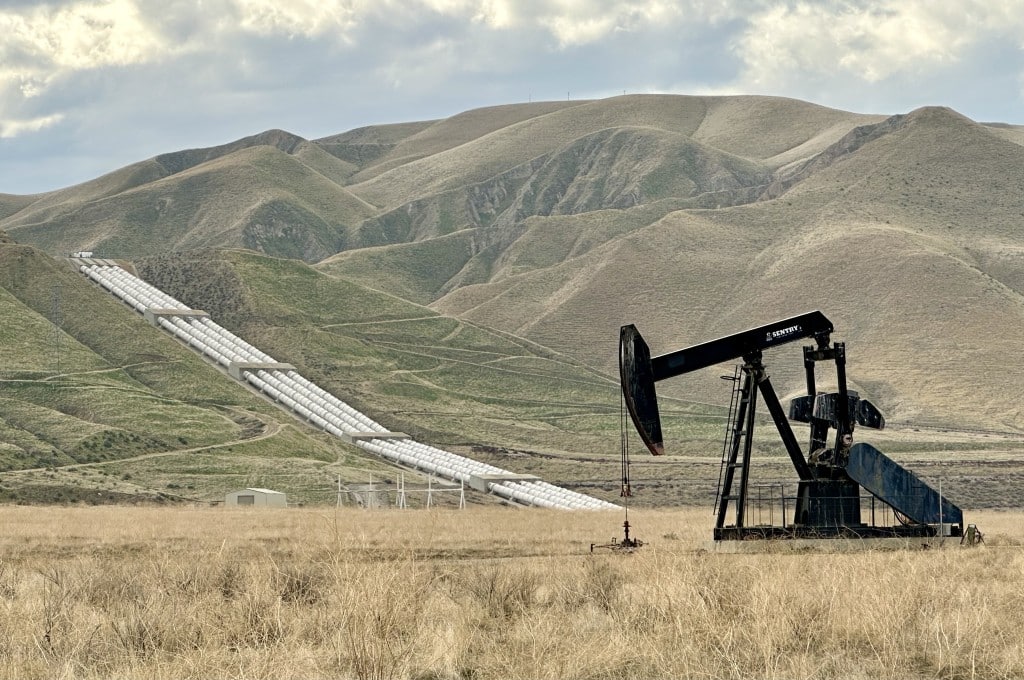
But unlike traditional banking operations, this deal would operate mostly by exchange, meaning each side would deliver water to the other directly via the California Aqueduct. Water physically banked underground by the Westside Districts serves only as a back up to the exchanges. Water would only be pumped up from those underground banks and sent to SCVW “if necessary,” according to the agreement.
That’s probably good as banked water in Kern County has turned up tainted with 1,2,3-TCP, a carcinogen that allegedly migrated into groundwater from fumigants applied to farmland from the 1950s to the 1980s. That contaminated water is prohibited from flowing in the aqueduct, which has significantly altered several local banking operations and spawned a number of lawsuits.
The comment period for the draft environmental document outlining the Westside/Santa Clarita agreement is closed and so far, no one has submitted comments, Campbell said. The next step is for the agreement to be ratified by each board.