Well owners in northern Fresno County face deadline, possible fines, to register wells
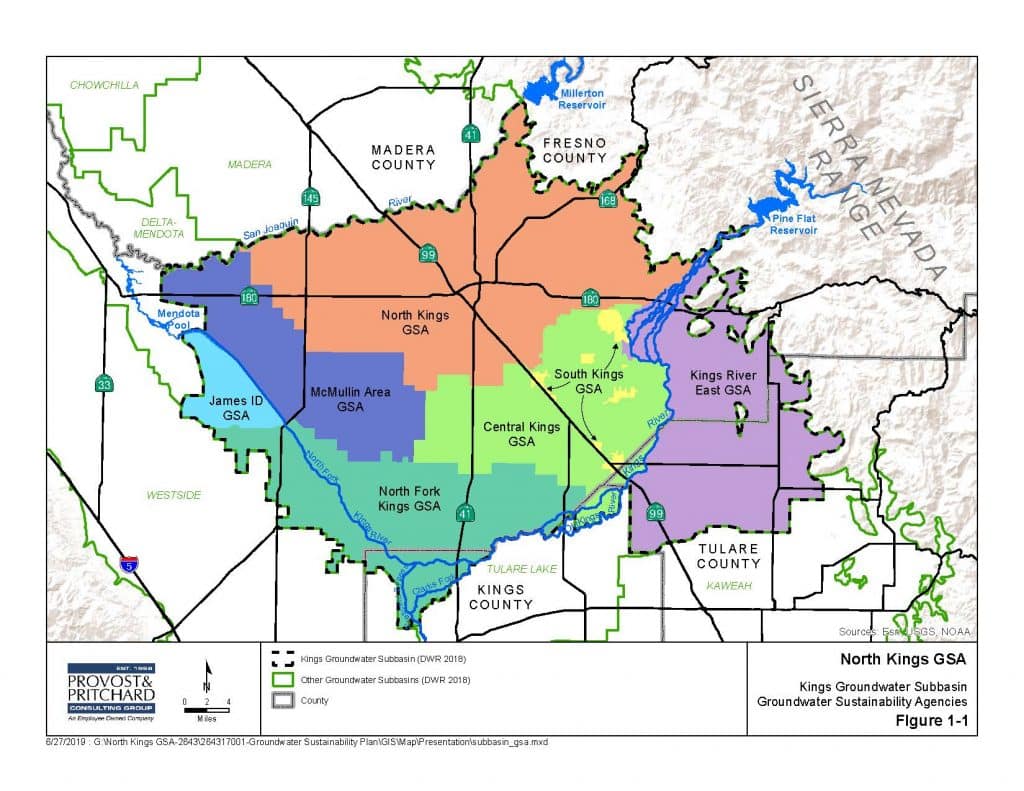
One northern Fresno County groundwater agency is attempting to register approximately 7,000 wells within its boundaries by November 30.
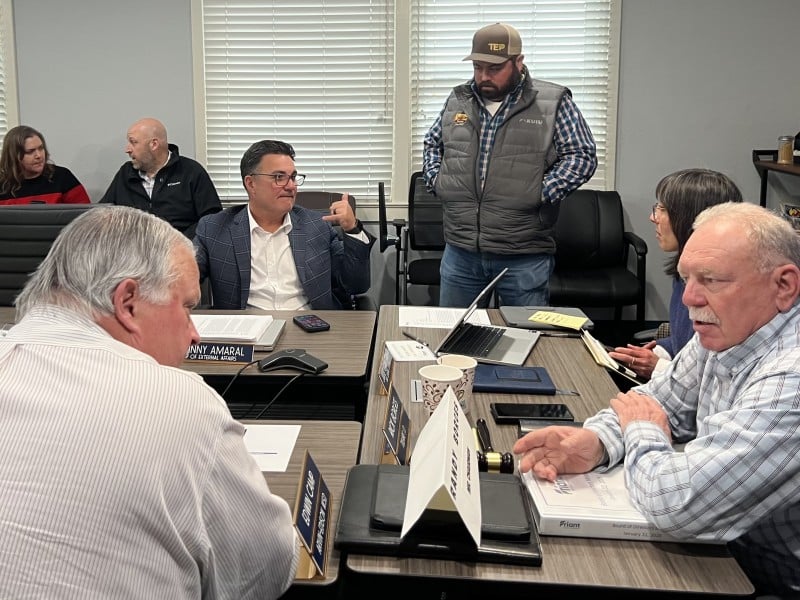
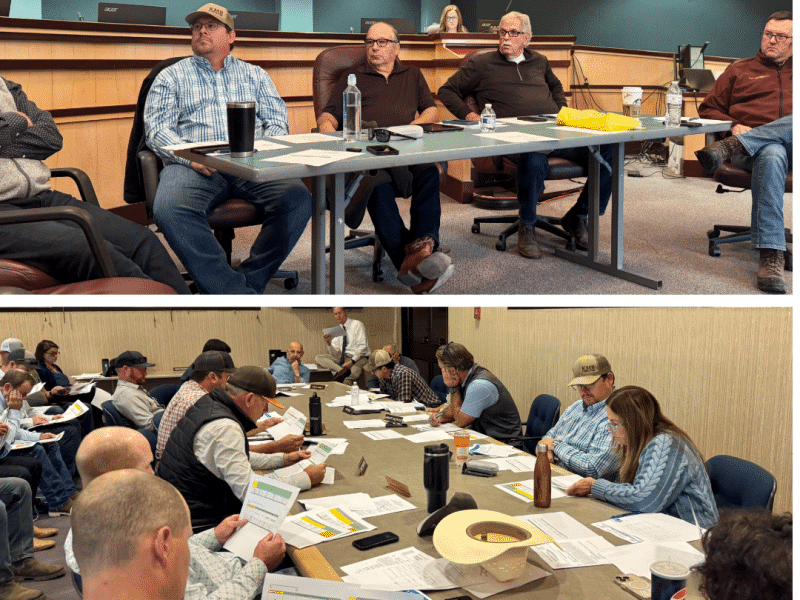
The North Kings Groundwater Sustainability Agency board of directors issued the mandatory registration policy at its April 24 board meeting.
It requires all wells, whether agricultural, domestic, industrial, school district or public water system wells, to be registered with the GSA.
Those who miss the deadline face a $100 fine per well.
GSA general manager Kassy Chauhan said the policy will help the agency get a better handle on groundwater management and demonstrate a desire to maintain local control to state regulators.
“It is extremely challenging to manage what you don’t know exists so a good accounting of all the wells in the GSA boundary provides the tools needed to make good groundwater management decisions,” Chahaun said.
For the past year, the agency has asked well owners to voluntarily register, which yielded 65 agricultural wells and 42 domestic wells. To spread the word among residents, the agency will host workshops, attend community events and offer in-office support to those who need help.
Well owners can also register their wells on the GSA’s well registry platform, called Subcurrent, via its website, northkingsgsa.org/wellregistration/.
All of this stems from the Sustainable Groundwater Management Act (SGMA), the state’s landmark groundwater law passed in 2014. SGMA requires that local agencies bring aquifers into balance by 2040.
North Kings is one of seven GSAs in the Kings subbasin, which stretches across Fresno County, bordered by the San Joaquin River on the north to the Tulare County line on the south.
As some subbasins continue to wrestle with creating or revamping their groundwater plans, the Kings subbasin’s plan was approved in 2023. Now the North Kings GSA is shifting to implementing the promises made in its plan.
In order to do so, however, the GSA needs to fill “data gaps.” The well registry is an important piece of the puzzle.
“Without knowing where wells are located, what depths they are drilled and perforated to, and other construction information, the GSA cannot effectively assess impacts of groundwater level declines on well owners,” a North Kings press release stated. “This information is essential for the continued reliability of both domestic and production wells.”
Access to well data provided by landowners will be limited to North Kings GSA managers and its technical consultants. Well information remains anonymous and is not tethered to individual landowners.
Chauhan encouraged well owners to do their part to help the GSA retain local control of groundwater management decisions.
The alternative is state intervention by the state Water Resources Control Board, which could place a subbasin on probation. Probation comes requirements to meter and register wells with the state, including an annual $350 fee per well, extraction reporting and a fee of $20 per acre foot pumped. That’s on top of whatever fees and reporting growers already do for their GSAs.
“Registering wells now helps us avoid those same consequences and protect our landowners’ interests,” Chauhan said.
Two subbasins, Tulare Lake and Tule, are already on probation, though state sanctions have been paused in the Tulare Lake subbasin pending the outcome of a lawsuit against the Water Board.