Three years after devastating floods, Planada residents still inching toward “normal”
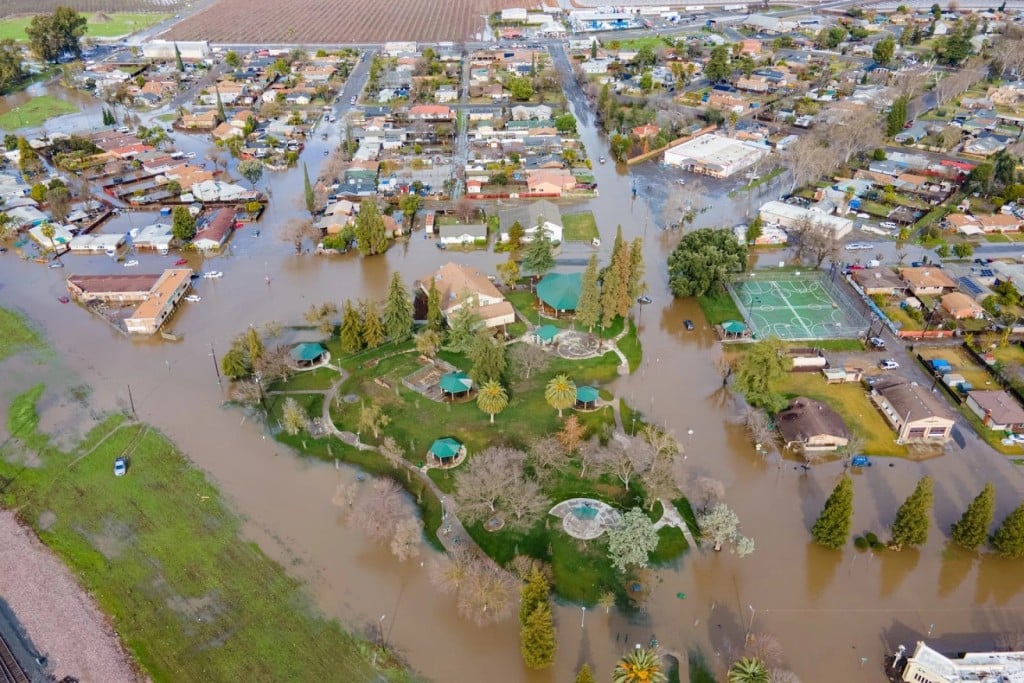
The story in Planada remains in the frustrating phase of “two steps forward, one step back” three years after many of the small farmtown’s homes and businesses were flooded out when Miles Creek busted its banks.
Residents are starting to see progress with homes being rebuilt.
But even with millions of extra state and federal dollars and widespread attention, the process has been slow, cumbersome and confusing.
Liza Espinoza, who has been a vocal advocate following the flood, was grateful to be out of the Merced hotel she shared with her family for months.
But the workmanship at her repaired home has been shoddy, especially electrical work that has left the family unable to use the microwave and washing machine at the same time.
“We had to ask people to help us, can you check our plumbing? Can you check our water heater?” she said. “We’ve been living like this and it’s not fair. The flood didn’t happen because of us.”
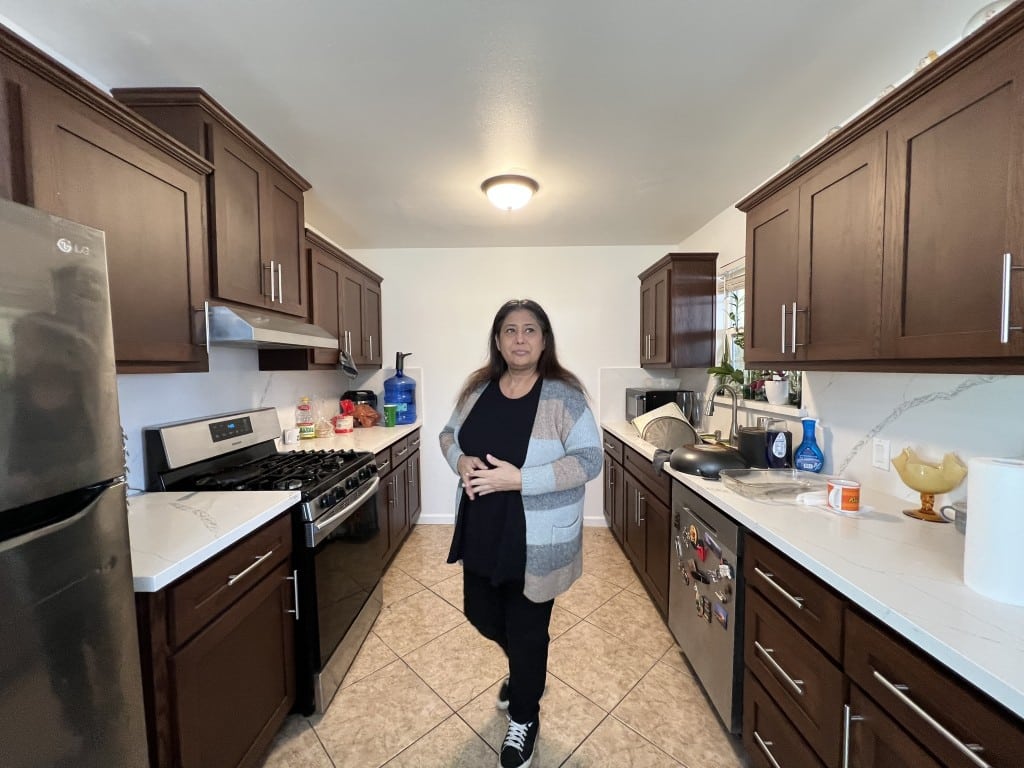
Trying to coordinate with Habitat for Humanity, which had been contracted by the County of Merced to assist with home repairs, became a full time job, Espinoza said.
The county has since replaced Habitat and is “adjusting its approach to home repair delivery,” according to Mike North, a management analyst with Merced County.
Flood lawsuit moving at a trickle as Planada residents wade through legal demands
Three years after flood waters busted the banks of Miles Creek and inundated nearly the entire town of Planada near Merced, residents have been struggling with a flood of legal demands from the state, according to an attorney handling their case.
Several lawsuits filed in the wake of the disastrous 2023 floods are still pending.
But the one of particular interest to the hundreds of flooded out Planada residents is Borba et al. v. County of Merced against the county, City of Merced, Merced Irrigation District and the State of California.
That suit seeks to identify which agencies are to blame for the lack of channel maintenance in various creeks throughout Merced County that caused creek banks and levees to fail.
Multiple allegations have been made that the California Department of Fish and Wildlife (CDFW) dragged its feet issuing permits that would have allowed local agencies to clear creekbeds of overgrown vegetation and trash. Instead, that debris piled up against weirs and bridges backing up water, which broke through banks.
The Borba suit on behalf of Planada residents has been stalled as the state has inundated residents with “discovery” demands, such as questions about their homes and demands for various documents, according to a statement from Shant Karnikian of KBK Lawyers, which filed the suit on behalf of the residents.
KBK had sought to create a standardized questionnaire in order to streamline the process and reduce the burden on residents.
But Karnikian said the state refused to cooperate and instead “served an extraordinary volume of written discovery on certain plaintiffs, including thousands of additional requests.”
KBK has sought court intervention to protect its clients and a discovery referee was appointed to help move the case forward.
On Jan. 9, the referee directed the parties to finalize a damages questionnaire and discovery timeline.
Neither the California Department of Fish and Wildlife nor the County of Merced would comment on current litigation.
However, County of Merced management analyst Mike North wrote in an email that CDFW has issued a streambed alteration agreement for routine maintenance projects along a variety of streams and creeks within Merced County. The agreement allows the county to submit requests to conduct maintenance activities with a quicker response.
North said in the last two years, the county has spent $436,000 in vegetation management activities.
That doesn’t absolve agencies of responsibility for lack of action prior to 2023, Karnikian wrote in an email.
“Plaintiffs remain committed to advancing this case and obtaining accountability and justice for the families impacted by the 2023 Merced flood.”
Another case, Merced City versus the California Department of Fish and Wildlife, was set for trial last month but was recently stayed.
That case alleges CDFW ignored years of requests by the city for permits to clean out creek channels.
Other Merced County cases include:
- Public Risk Innovations, Solutions and Management, et al. v. Merced. Irrigation District, et al. (an insurance case).
- County of Merced v. CDFW (filed but not served).
Framework of a home renews family’s hopes
By MONSERRAT SOLIS
Three years after a flood in 2023 destroyed the Castillo family’s home in Planada, the framework of a new home is slowly rising.
“I’m more relaxed now,” Miguel Castillo said in Spanish. “I’m feeling better.”
Construction finally began last September and has been slowly progressing, he said.
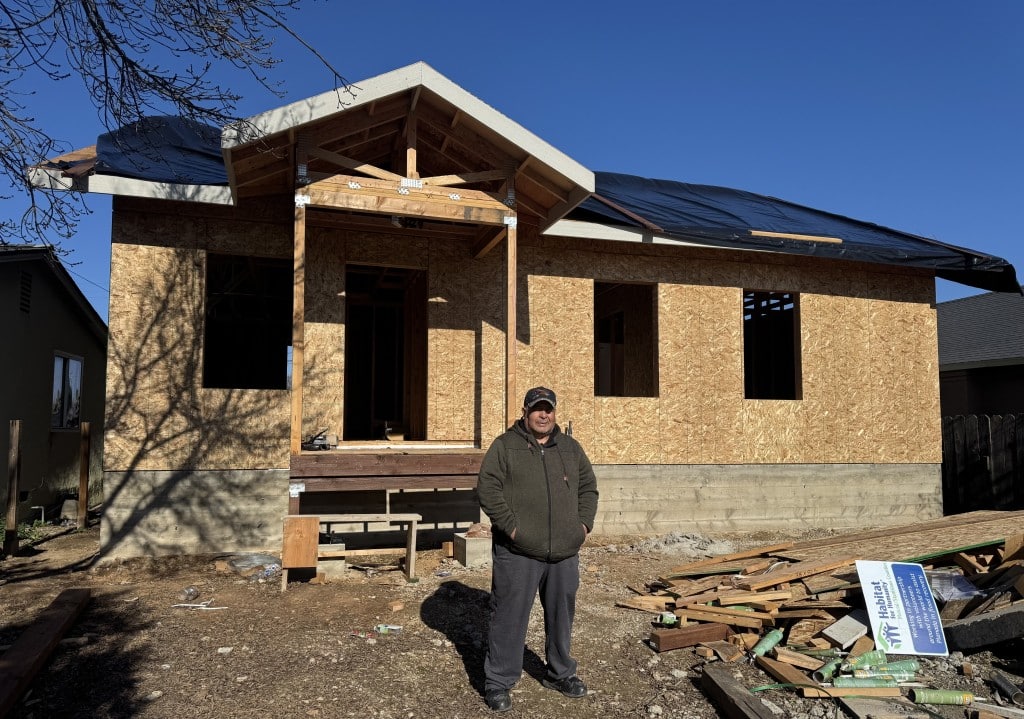
“They don’t come every day,” Castillo said of the construction crew. “It’s one day then another day they work on something else.”
Castillo walked around the home, pointing out the height of the house, which is now almost double the height of the original building.
Castillo approved the plans for the home months ago. One of the biggest changes was to build the home higher to withstand any future floods.
About five months ago, Castillo and his family were running out of hope that they would ever return to their home.
When Miles Creek flooded, his home was inundated then demolished due to mold and lead contamination, which left the family with limited options.
The family rented a nearby home, waiting for their turn to finally begin the construction process. In the meantime, Castillo had to retire after injuring his knee cleaning up his property.
Now that construction is well underway, Castillo and his family are hopeful that they’ll soon be able to host family gatherings again.
It is expanding its contract with Self-Help Enterprises for the remainder of the work. Self-Help had already been in the community for two years helping with the Planada 20M program, a special $20-million state fund to help Planada residents.
“Based on (Self-Help’s) performance, experience delivering housing and repair programs, and familiarity with the community, the county determined they are well positioned to support completion of the remaining home repair work,” North wrote in an email.
Espinoza was relieved.
“I wish they would have done that sooner.”
North encouraged residents who are having problems to contact the county.
Still, the pace and confusion has been especially frustrating given the attention and money pledged in 2023 to rebuild the 840 homes that were lost and keep residents whole.
- $40 million from state and federal agencies for recovery and future protection
- $20 million for the Planada 20M fund
- $18.7 million in FEMA funding for the town along with another $5.7 million for water control facility projects along the Bear, Black Rascal, Mariposa and Miles creeks
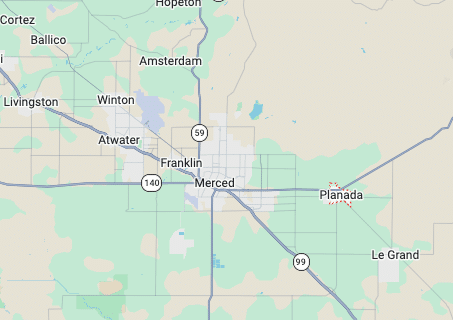
As of Jan. 23, $13.7 million has been paid in direct assistance from Planada 20M to residents for lost wages, business and housing repairs, a total of 1,337 claims. An accounting of that fund is updated in English and Spanish bi-weekly at Planada20M.com.
North said 133 home repair applications have been completed and 44 more moving through the process.
The goal is to complete repair work by June 2026.
“Staff continue working toward that target while balancing contractor capacity and homeowner coordination,” North wrote in an email.
Work is underway along Miles Creek. Vegetation removal has been completed, and more is scheduled, North stated. Construction has also begun on an emergency generator for the Planada Community Services District, which will strengthen its ability to maintain essential services during emergencies.
Planning is also underway for improvements to local roads and other public infrastructure.
Meanwhile, Attorney Shant Karnikian, who is representing Planada residents in a lawsuit, has raised concerns regarding the administration and transparency of the Planada 20M program and related relief efforts.
Some clients’ homes were inspected by county officials without notice to their attorneys, which Karnikian said created confusion about their rights and whether participation in relief programs could affect their pending lawsuits.
He added that the application process also required sworn statements regarding property damage that overlapped with issues being litigated. Such requests could implicate discovery-related issues while litigation is ongoing.
“We support legitimate disaster relief efforts and want their clients to receive meaningful assistance,” Karnikian wrote in a statement. “At the same time, counsel are working to ensure that any relief programs are administered transparently and do not compromise clients’ legal rights or interfere with the court-supervised litigation process.”
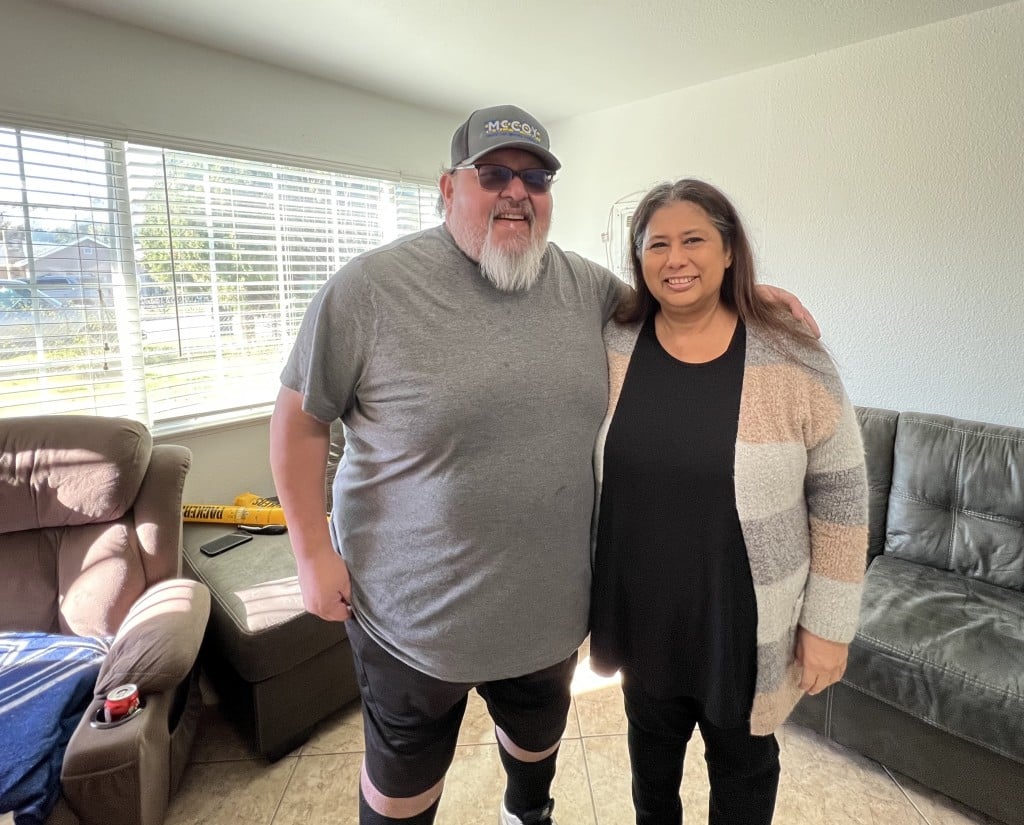
As all of this plays out in the background Espinoza is trying to redecorate the home she and her husband bought just seven months before the flood hit.
The experience has left the family emotionally and financially drained and she counts it as “..the worst experience ever.”
Still, she is thankful.
“I am happy to be home,” she said. “I’m taking it one room at a time.”