State has opportunity to “leverage” Edison power plant relicensing to protect upper Kern River, Fish and Game commissioner says
A California Fish and Game commissioner urged staff on Thursday to look for ways to better protect the upper Kern River watershed and fishery as part of the ongoing relicensing of Southern California Edison’s Kern River 3 (KR3) power plant near Kernville.
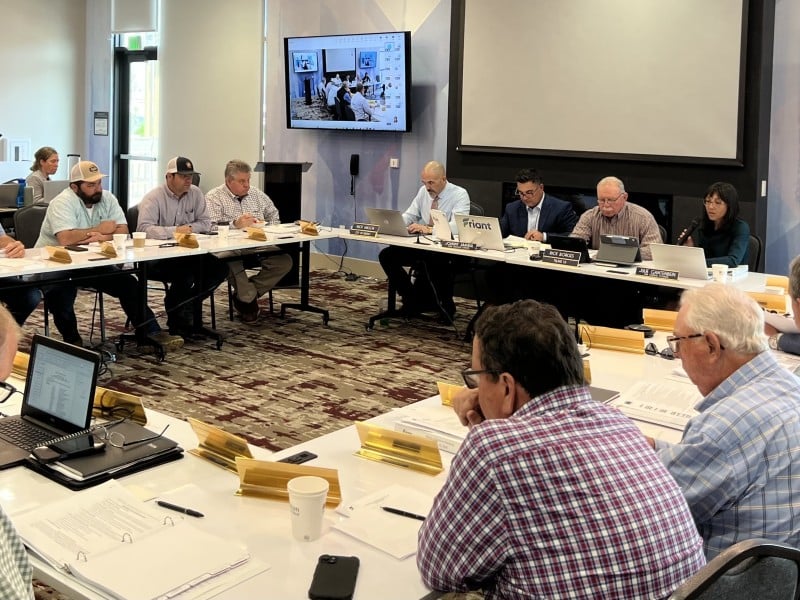
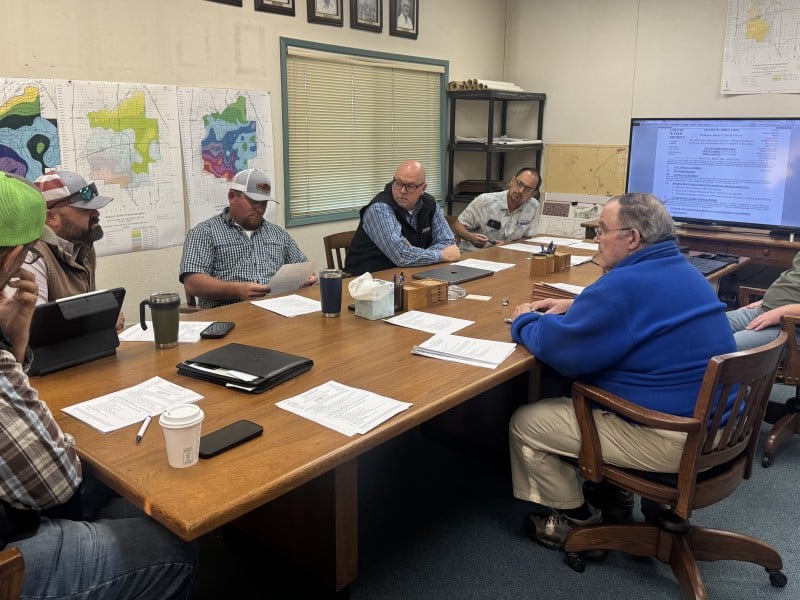
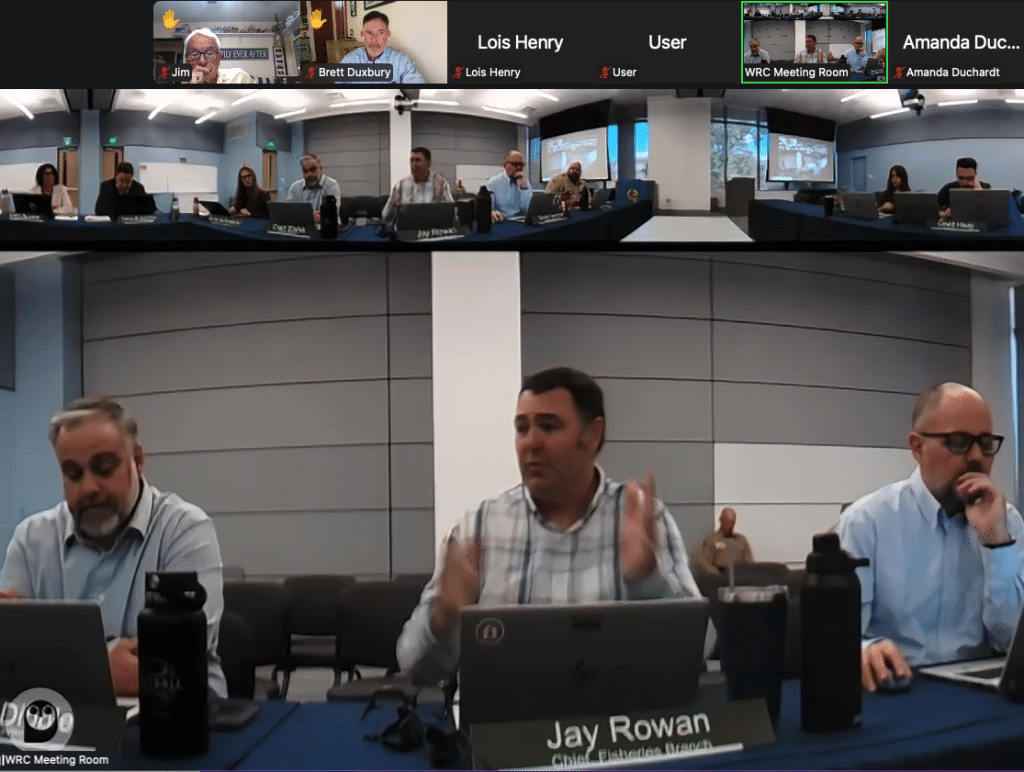
The statement, by Commissioner Darius Anderson, came during the commission’s Wildlife Resources Committee meeting after comments and questions from two Kern River advocates who aired their concerns over what they felt has been a lack of interest and urgency in the river by the Department of Fish and Wildlife’s (CDFW) Region 4 division.
Angler Jim Ahrens and Brett Duxbury, with the Kern River Boaters, laid out what they feel has been a lackadaisical attitude toward the upper Kern by the division, especially in regards to the relicensing procedure.
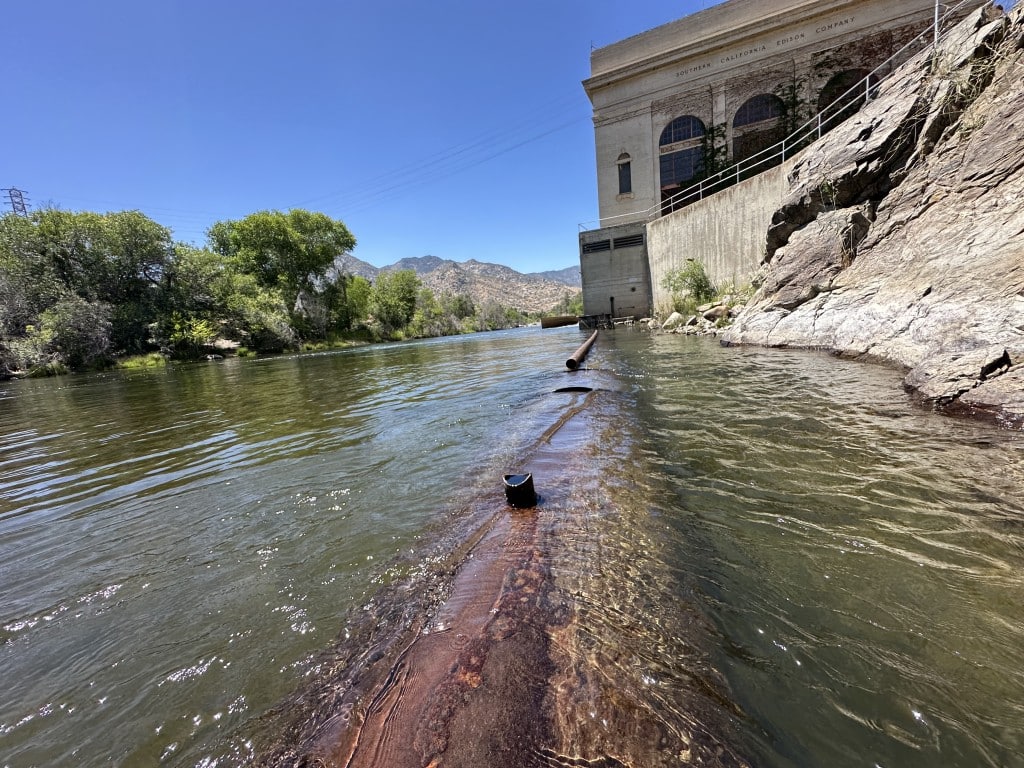
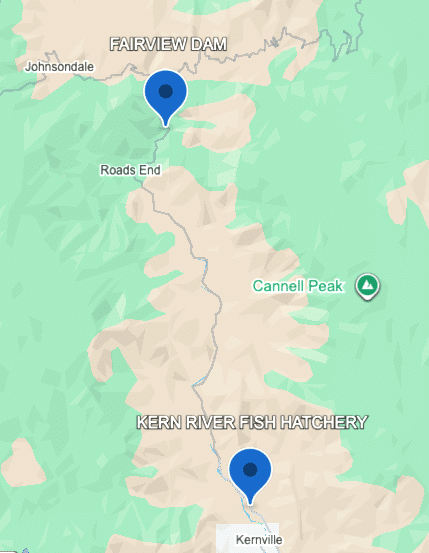
At issue is how much water Edison is required to leave in the river between Fairveiw Dam, near McNally’s, and the plant at Kernville, a 16-mile stretch. Duxbury and other advocates say the minimum flows required under Edison’s current license aren’t enough to maintain a healthy river.
They are are asking the Federal Energy Regulatory Commission to require Edison leave more water in that stretch of river.
CDFW, however, is OK with Edison’s proposal to marginally decrease minimum flows, including its proposal to move some of the summer flows to spring months, which Duxbury said will worsen conditions in the river.
Edison’s proposal would also maintain its current arrangement to pipe a small amount of cold water from behind Fairview from KR3 into CDFW’s hatchery at Kernville.
CDFW’s Region 4 manager, Gerald Hatler, has said that hatchery flow is vital to reopening the currently defunct facility where the state plans to raise and stock native Kern River rainbow trout, a “species of special concern.”
Duxbury, however, said requiring more water in the river wouldn’t mean zero water for the hatchery.
Either way, more, cold water released to the river from Fairview would support CDFW’s goals to “optimize the Kern River” for trout as laid out in its 1995 management plan that was reaffirmed by the department in 2005 and again last year by the U.S. Forest Service, Duxbury said.
“As it stands right now, the department’s position on Kern River flows is in defiance of its own management plan,” Duxbury told commissioners on Thursday. “Region 4 claims a cold water fishery isn’t viable in that stretch of river and that higher flows wouldn’t improve conditions but they have not offered any evidence to support that position.”
He and Ahrens said there is considerable urgency as Edison is seeking a new license that will dictate KR3 operations, including river flows, for the next 50 years.
CDFW Fisheries Branch Chief Jay Rowan told the committee that the department has been working to rewrite that 1995 management plan and he anticipated it would be in draft form for internal technical review by the end of this month.
He noted there is progress on the hatchery as well, saying the Department of General Services has funding to rebuild the broken siphon that brought in water from KR3.
He said there are a lot of issues and “nuances” on the Kern River, including “lawsuits” and he would have to catch up on all the details. He, apparently, was referring to an ongoing lawsuit involving flows on the lower Kern River through Bakersfield.
He said he would “…have to follow up with Region 4 and see if there are more discussions to be had.”
Anderson cut in saying: “But…if Southern California Edison is going through a (license) extension and is looking for 50 years, there is a unique time and place for us to be able leverage. I think either through the region, and/or the department, and/or we have a role, we should take advantage of that and make sure that the watershed and the fishery is protected.”
The room went quiet for a moment.
“Understood,” was Rowan’s reply.
Duxbury said later he was pleased with the outcome.
“They want us to talk with Region 4 but also recognized this (the relicensing procedure) is an inflection point. So we’ll talk and then go back.”