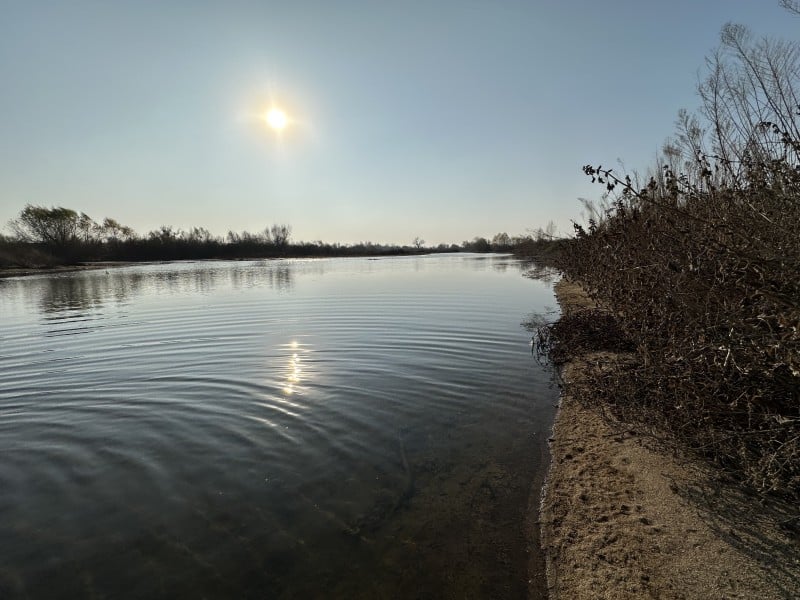
Photos by Nick Shockey for the California Department of Water Resources
One of the core services provided by the Department of water Resources is to monitor the state’s snow pack to predict annual runoff.
The department uses multiple methods including taking remote readings from sensors high in the Sierra Nevadas called “snow pillows.”
A number of those sensors need to be repaired and enhanced but it’s not an easy task.
Advertisement
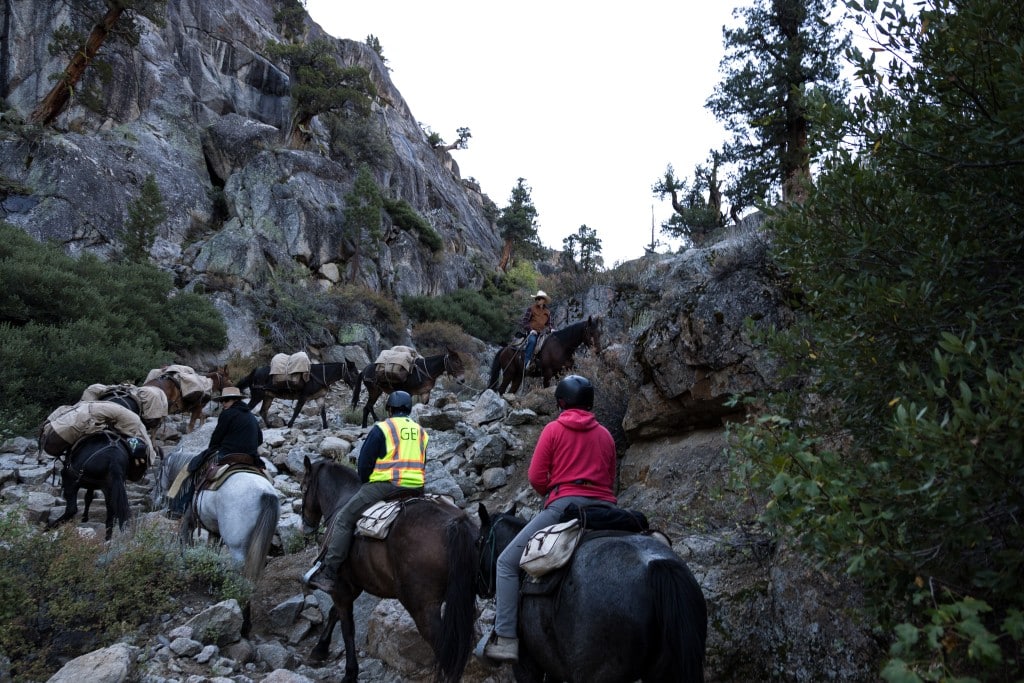
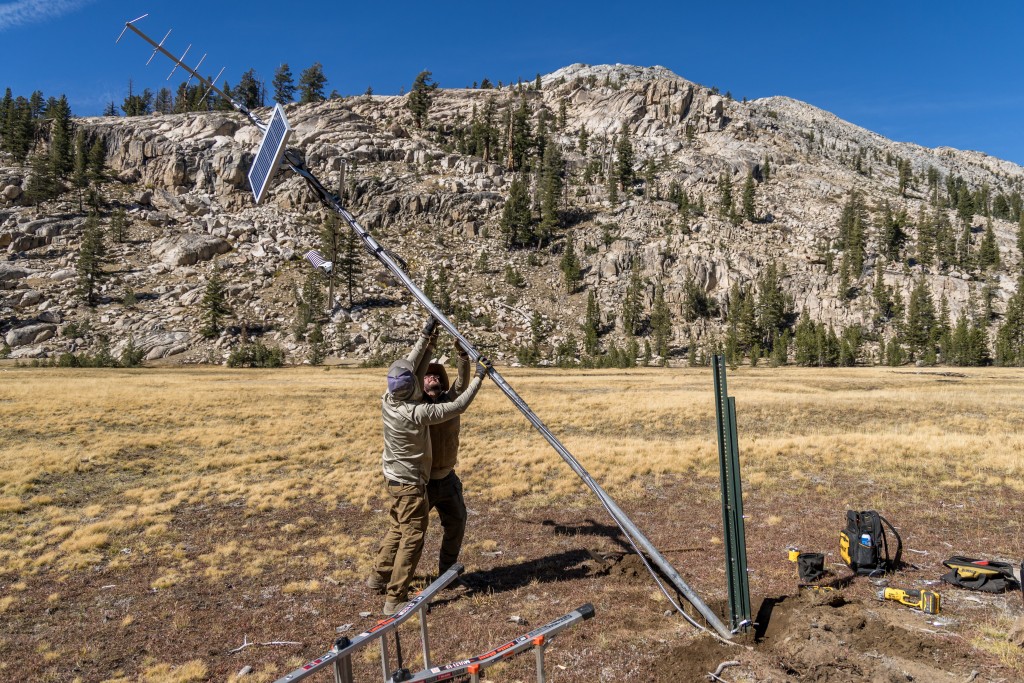
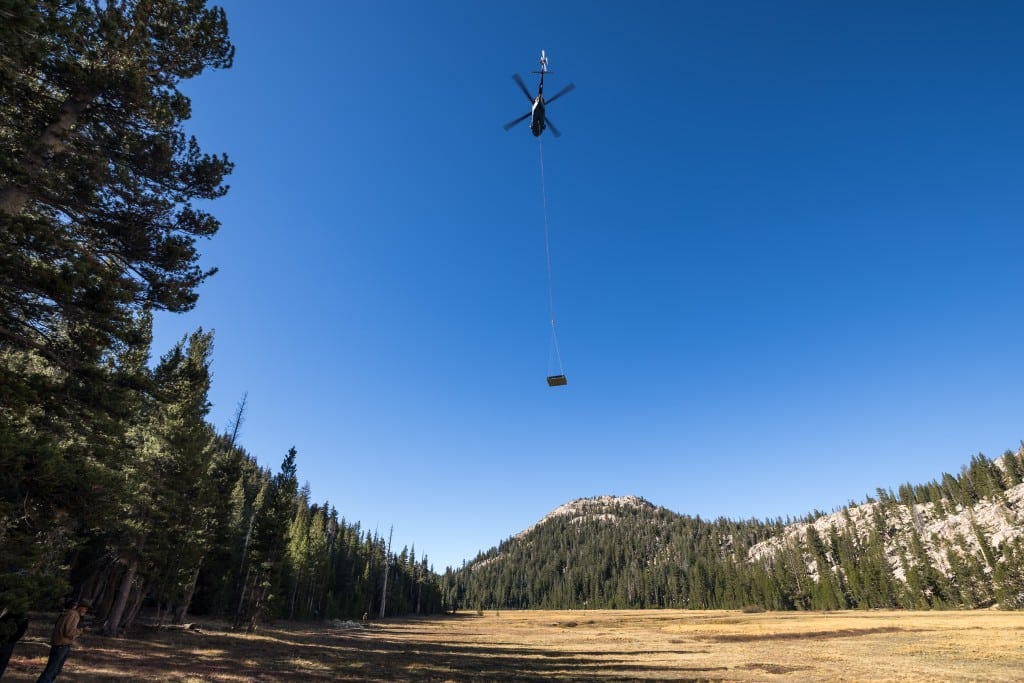
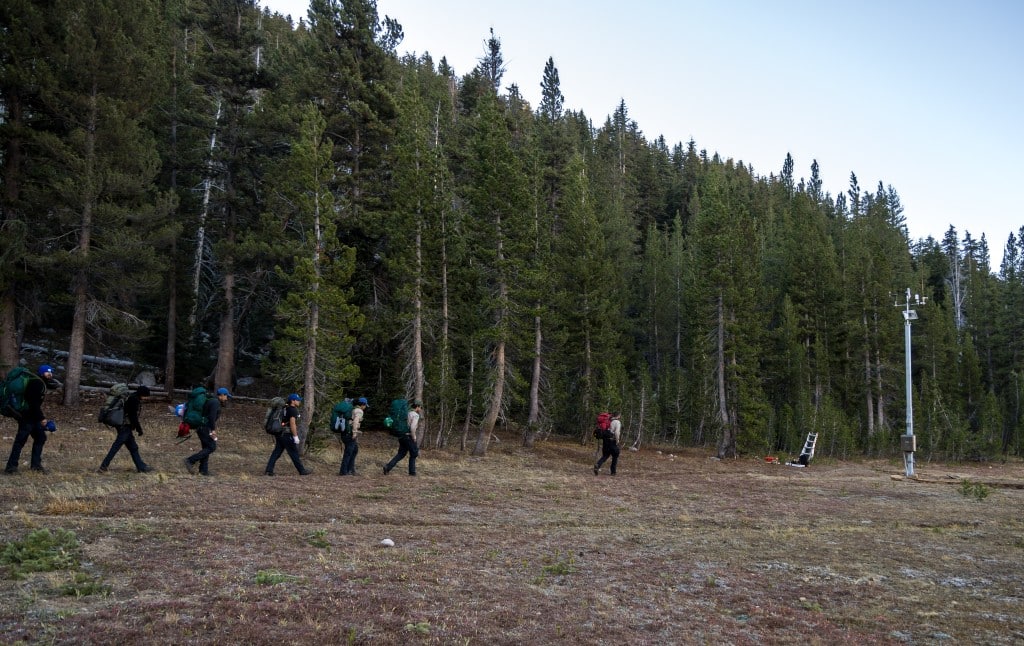
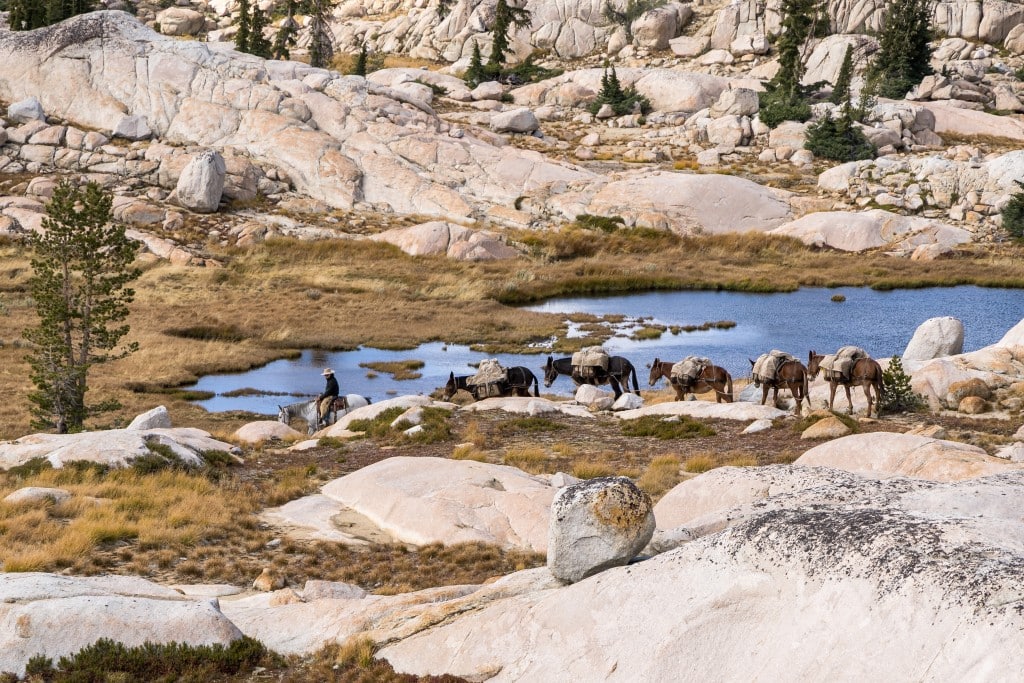
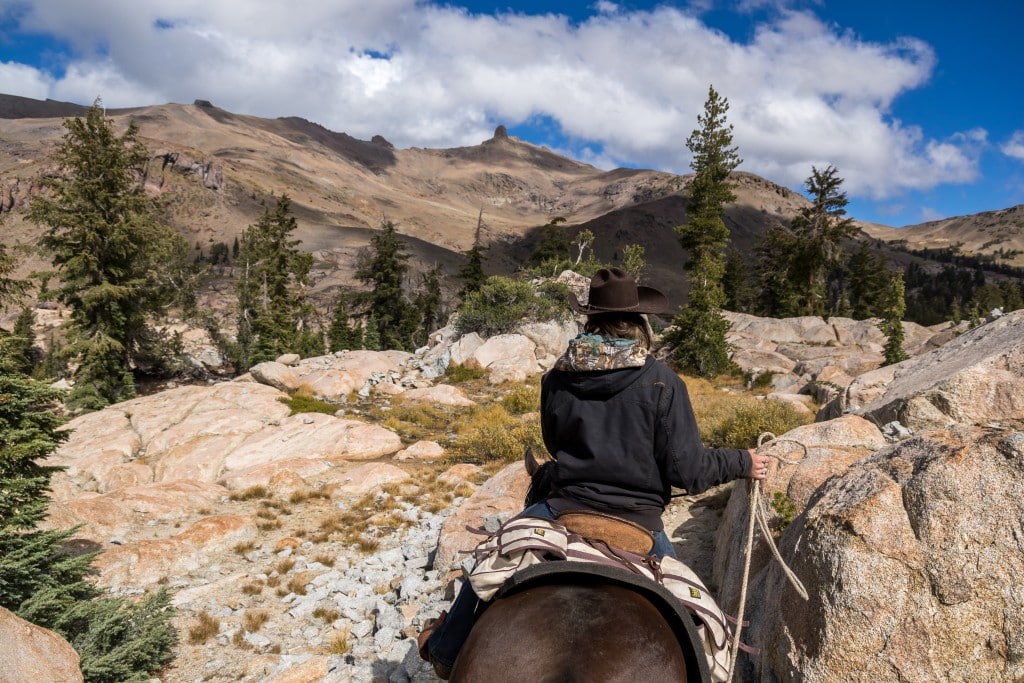
Crews had to trek into the Emigrant Wilderness on horseback 18 miles for just one sensor. A black hawk helicopter brought in the ballast and new Hinge Fold Tilt-Pole, which will make sensor reading easier and more efficient. The trip took four days.
And it made for epic photos, which DWR shared online. Here are just a few.
(Full disclosure: SJV Water’s Editor/CEO Lois Henry grew up hiking in the Emigrant Wilderness and has taken several horseback trips out of Kennedy Meadows Pack Station. It is one of her most favorite places.)
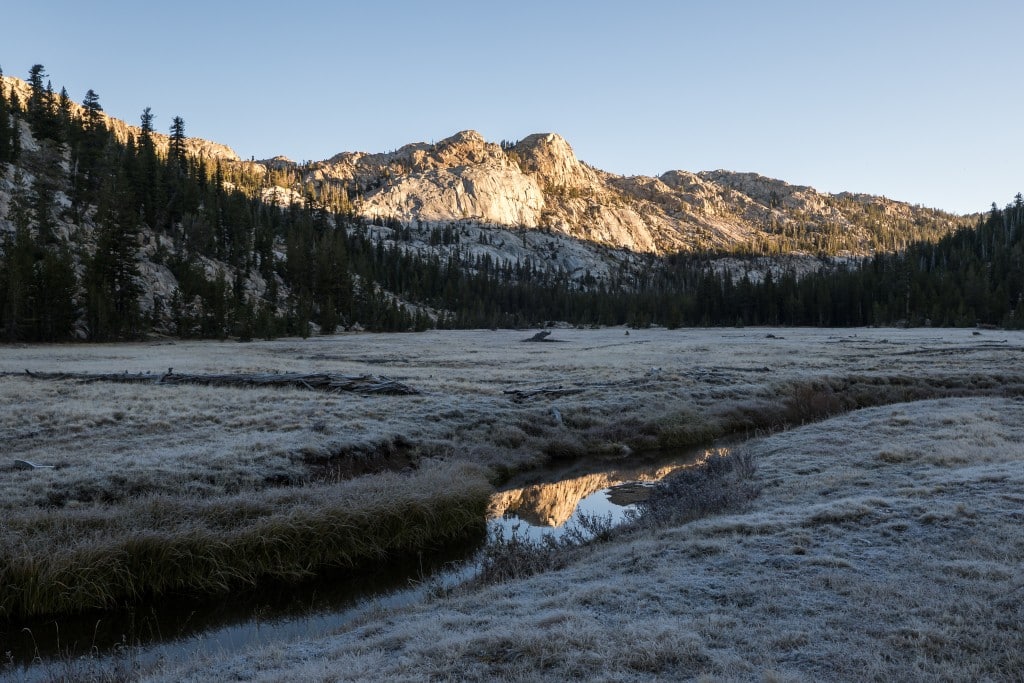
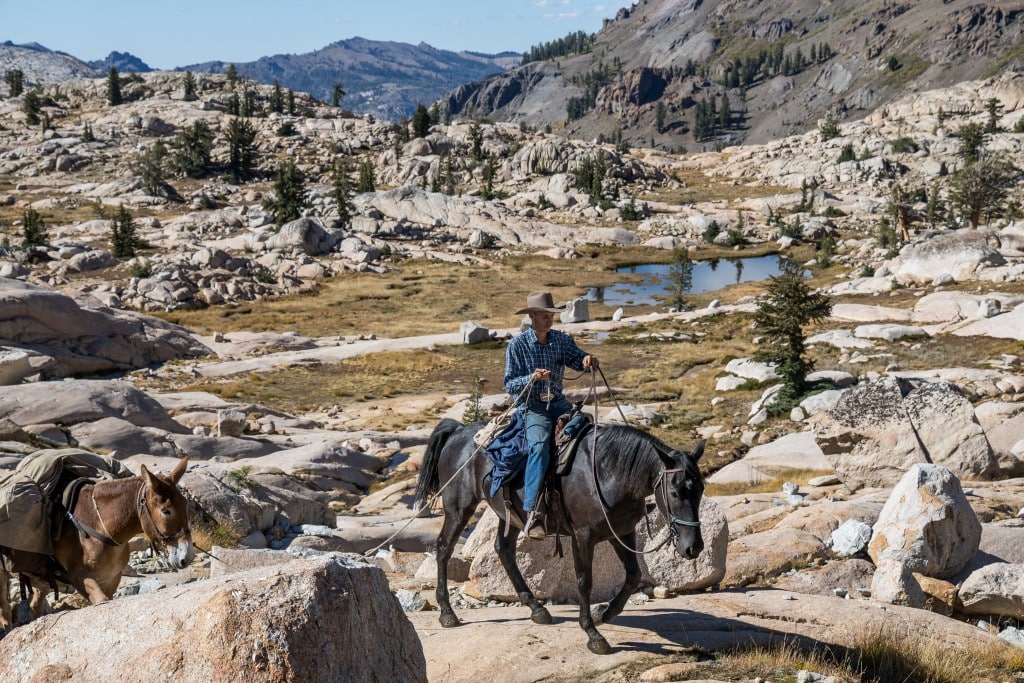
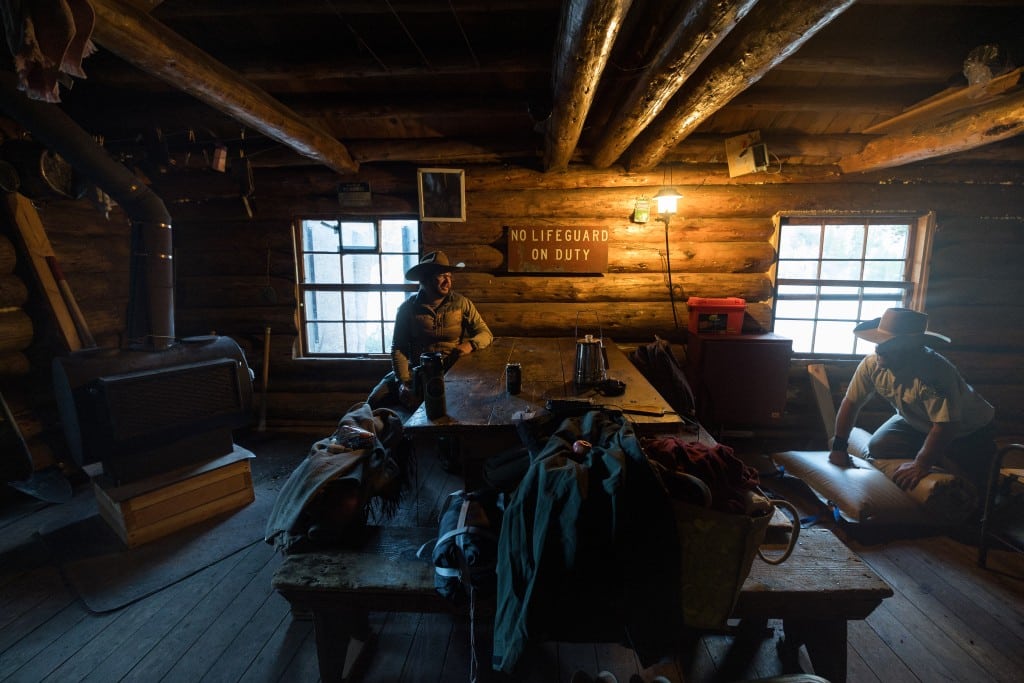
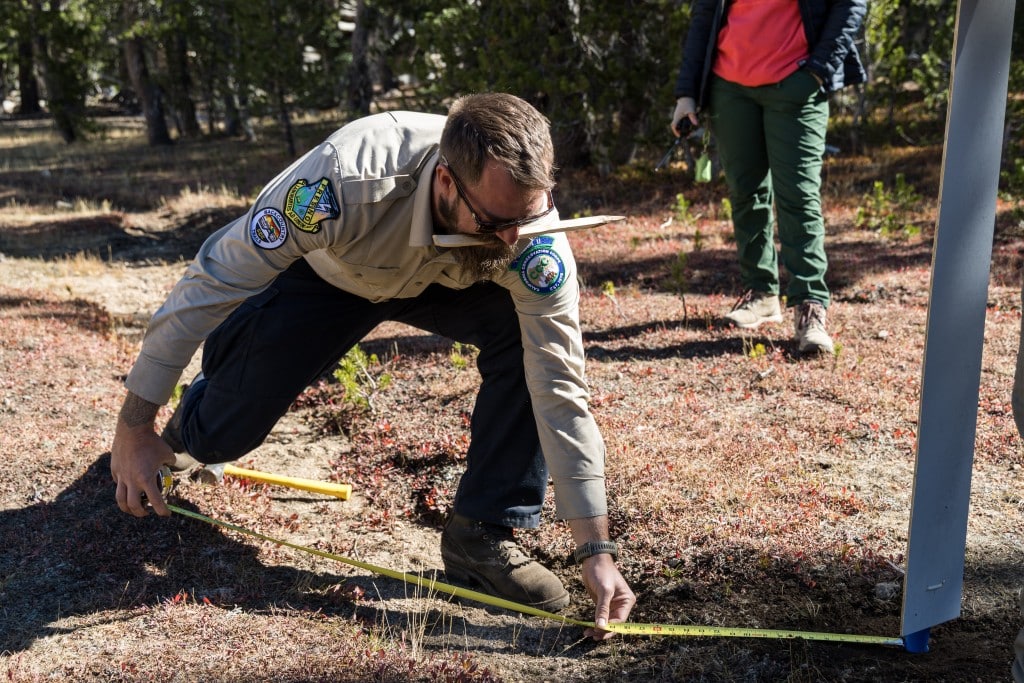
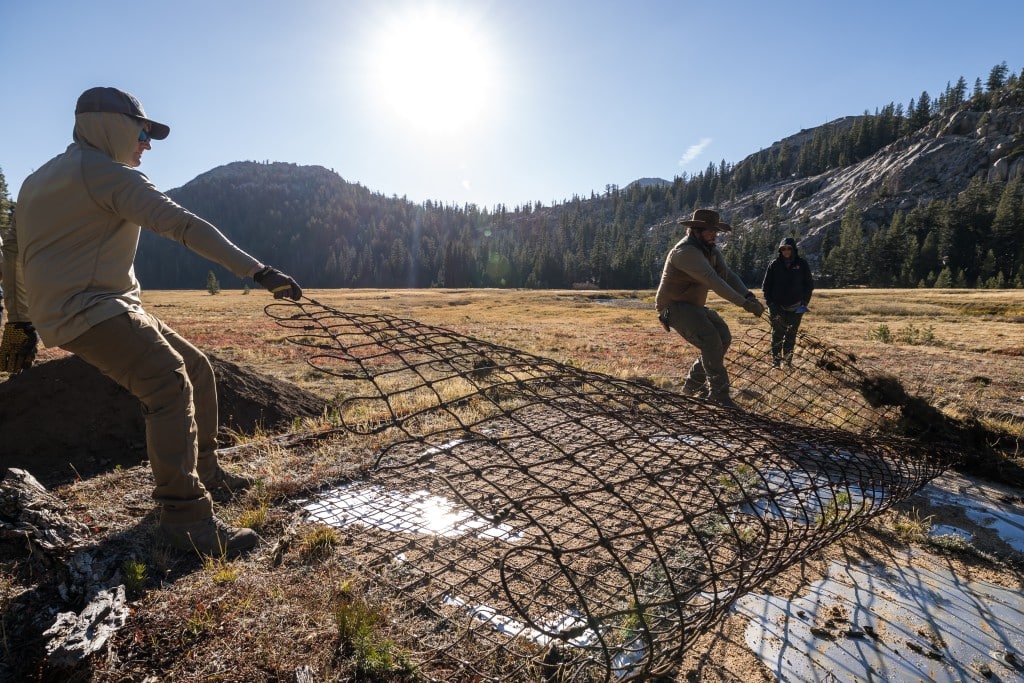
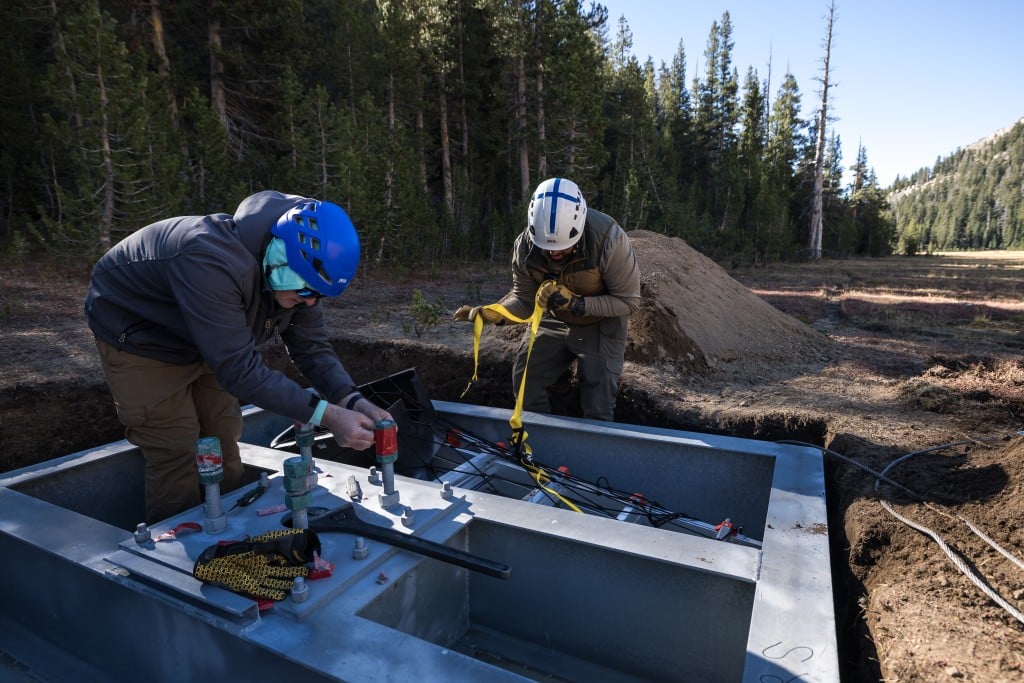
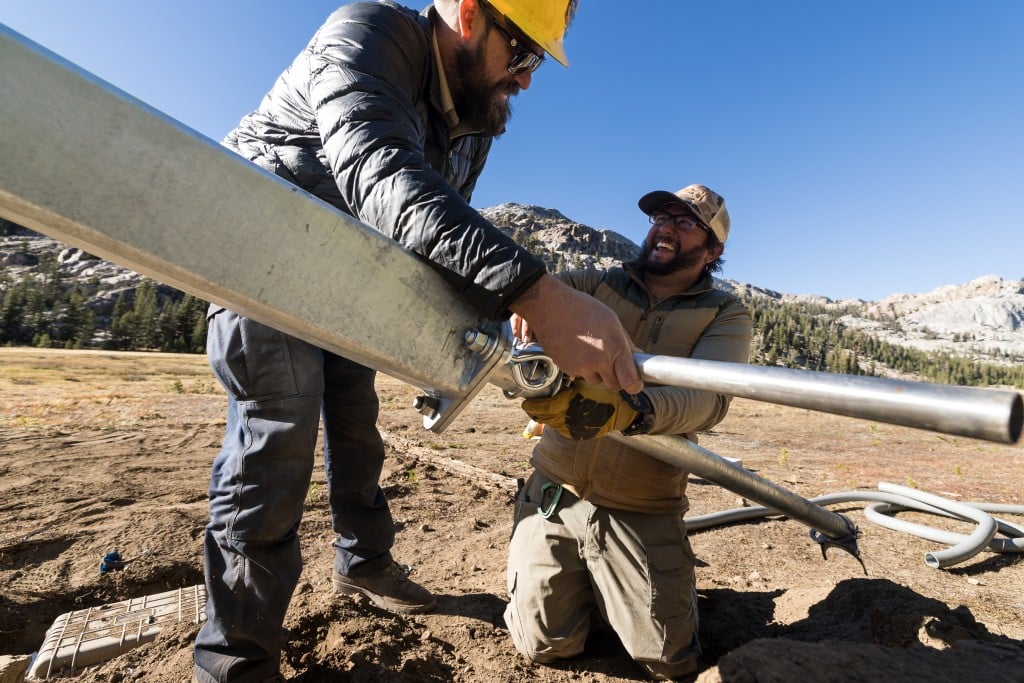
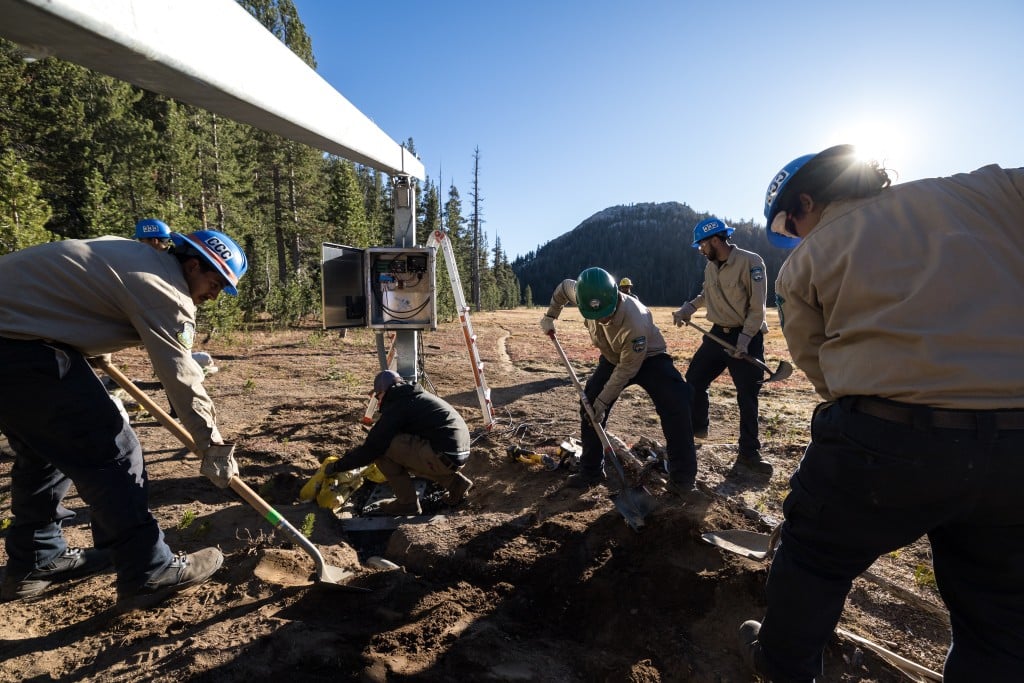
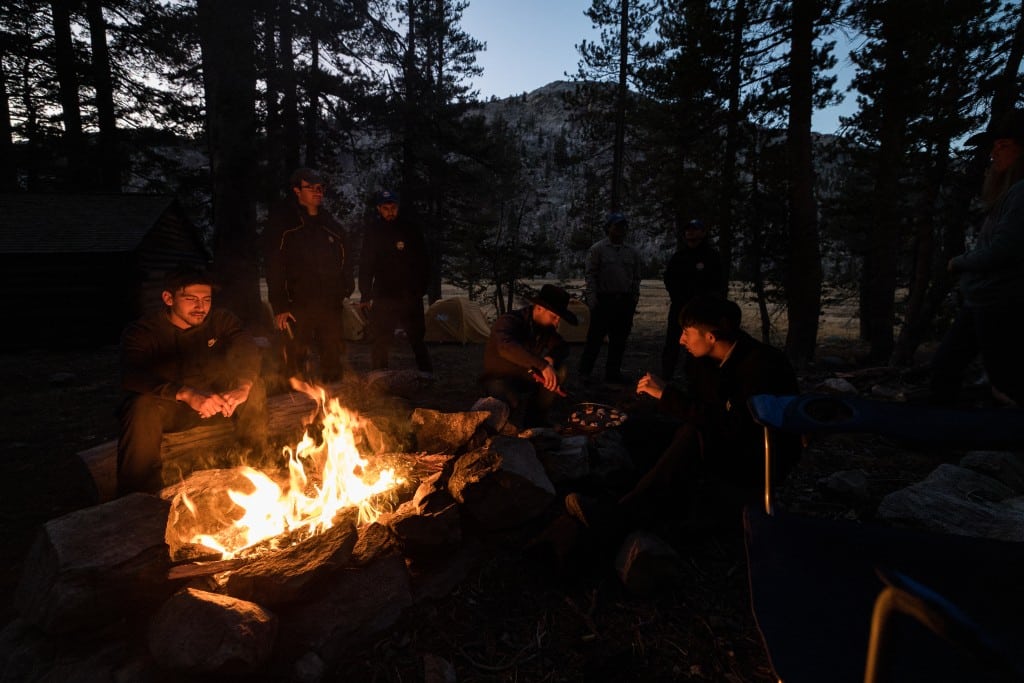
Oct. 8, 2025: DWR’s Division of Flood Management, California Conservation Corps, and GEI Environmental and Architectural Historian mobilize equipment and crew on horseback to renovate an old, dilapidated snow pillow weather station in the Emigrant Wilderness, Stanislaus National Forest.A morning view of Grizzly Peak as seen from Horse Meadow. Kennedy Meadows Pack Station cowboys lead the way to Horse Meadow.DWR’s Division of Flood Operations Bryan Prestel, Associate Electrical Engineer, and US Forest Service packer John Sprik, discuss the demobilization of an old weather station structure and prepare for the new permitted structure and ensure it’s out of the historic cabin view. California Conservation Corps Crew Supervisor Travis Hanson measures a hole for DWR’s Division of Flood Management to renovate an existing snow pillow station, with a new Hinge Fold Tilt-Pole which will work with the Horse Meadow snow pillow station to transmit snowpack data to the statewide monitoring network.DWR’s Steven Reichmuth, Water Resources Associate Engineer, and Bryan Prestel, Associate Electrical Engineer, decommission the existing weather station. DWRs’ Steven Reichmuth, Water Resources Associate Engineer, and Bryan Prestel, Associate Electrical Engineer, remove a bear net from the existing snow pillow.A black hawk helicopter delivers construction supplies that were too heavy to bring in by mule.A Kennedy Meadows pack mule gets some downtime as crews repair a remote snow sensor in the Emigrant Wilderness.DWR’s Steven Reichmuth, Water Resources Associate Engineer, and Bryan Prestel, Associate Electrical Engineer, renovate the existing snow pillow.California Conservation Corps Crew Supervisor Travis Hanson and California DWR Associate Electrical Engineer Bryan Prestel share a laugh during work.California Conservation Corpsmember’s fill in a hole for the rennovated weather station.Crew members keep warm overnight on a four-day trip to repair a remote snow sensor in the Emigrant Wilderness.California Conservation Corpsmember’s start their hike out after installing the new Hinge Fold Tilt-Pole, which will work with the Horse Meadow snow pillow station to transmit snowpack data to the statewide monitoring network. A Kennedy Meadows Pack Station cowboy leads a string of mules during a four-day trip to repair a snow sensor.The Emigrant Wilderness provides amazing views for DWR crews as they trek back from repairing remote snow sensor equipment.