Mussel mania: San Joaquin Valley water agencies gear up to fight invasive mollusk
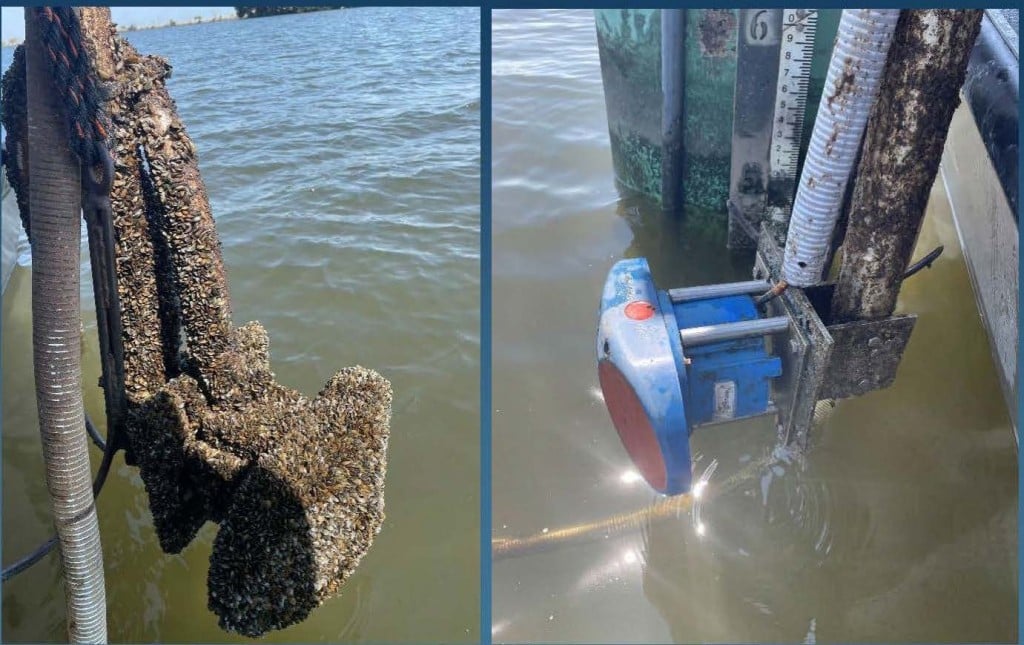
Water agencies of all sizes are crafting plans and forming task forces across local, state and federal entities to protect infrastructure from the spread of golden mussels, a tiny, invasive species that has already spread the length of the state’s network of waterways.
In the San Joaquin Valley, Friant Water Authority is in the midst of another round of environmental DNA testing, this time on the entire length of the 152-mile canal, after golden mussel eDNA was detected near the White River intake in Tulare County.
Initially, the authority hoped the mussel was contained to the southern reaches of its canal, in the Arvin-Edison Water Storage District, where State Water Project supplies enter the Friant system via the Cross Valley Canal.
That state water is believed to have brought the mussels south from the Sacramento-San Joaquin Delta where they may have first entered California in 2024 via foreign cargo ships.
“It really begs the question, if we’re finding DNA this far upstream and we thought it was just a Cross Valley Canal influence, now we are trying to figure out where else is it coming from?” said Ian Buck-McLeod, water resources manager at Friant’s January board meeting.
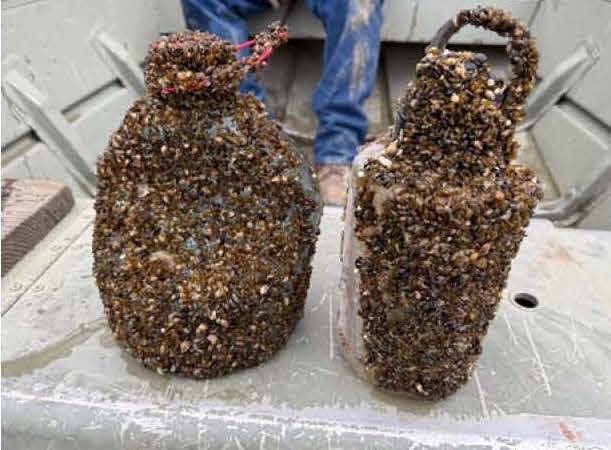
“The DNA doesn’t necessarily mean that the mussel itself is present, but to be that high is concerning and so there are potentially other vectors. The worst potential vector would be if Millerton Lake were contaminated.”
He said no contamination has been found in reservoirs along the eastside of the valley.
Golden mussels have, so far, confounded eradication as they reproduce rapidly and the only sure-fire way to kill them is to dry out water facilities.
Friant is also coordinating with other water operators in the region to conduct additional testing at more reservoirs and other pump-in locations, including sites on the Kings and Kaweah rivers.
A full control plan will be shared with board members at its Feb. 19 meeting “so we can really attack this,” McLeod said.
An infestation at Millerton would jeopardize the small-diameter irrigation systems used by water districts and cities that take water from the Friant-Kern Canal.
“It’s our piped districts that we’re most concerned about, which can get very, very costly. We want to make sure we prevent that spread in the canal.”
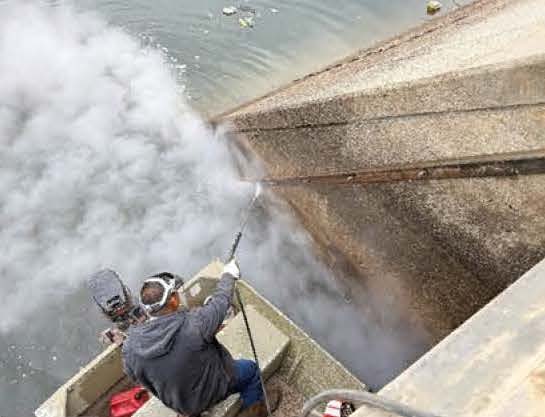
Friant contractor Lindmore Irrigation District in Tulare County is taking a proactive approach by alerting landowners to keep an eye out for the mollusk, which at maturity is just 1.5 inches long. Staff has also received training on how to identify a golden mussel during their daily tasks, and it conducted visual inspections of pumping stations and ponding basins during a de-watering and maintenance period in January.
What is needed most, however, is funding, according to Christopher Hunter, Lindmore’s assistant general manager.
“Over the past month there has been a significant increase in information sharing, planning and technical coordination,” he wrote in an e-mail. “What districts need most from government agencies is clear guidance, technical expertise, and financial support to address what is a serious and long-term infrastructure problem.”
Elsewhere around the state:
- The Department of Water Resources said in a statement that laboratory testing of potassium chloride on golden mussel mortality is underway. DWR is also in the process of developing reports on completed laboratory studies, including golden mussel treatment trials that included the use of chlorine, copper, and hot water. DWR continues to make progress on the installation design for UV disinfection systems hopes of protecting critical small diameter piping inside pumping plants that deliver water to downstream contractors.
- Kern County Water Agency purchased a $240 underwater camera that will aid in facility inspections. Agency staff are also establishing a task force, and coordinating across local, state and federal agencies to collect and disseminate information.
- Metropolitan Water District of Southern California, the state’s largest contractor which distributes water to numerous urban purveyors, increased its equipment budget by $500,000 to address invasive mussels, including the quagga, zebra and golden. It is also developing a long-term strategy to protect critical infrastructure.
- The Inyo County Board of Supervisors held a workshop this week to discuss the potential of golden mussels in the Eastern Sierra watershed, noting that the water chemistry of the region’s lakes is conducive to golden mussel growth. While there is no hydrologic connection between the Eastern Sierra and the state’s conveyance system, the area relies on recreational boating traffic.
- Up to $2 million in grant funding from the California State Parks Division of Boating and Waterways will open March 9 for managers of reservoirs combating invasive species such as the golden mussel. The application period for the 2025 cycle will open on March 9, 2026 and will close on April 17, 2026 at 5:00 p.m. Up to $2M is expected to be awarded, pending available funding. A presentation will be conducted via MS Teams on March 13, 2026. More information: dbw.parks.ca.gov/QZGrant