Land easements can offer financial relief, flexibility and legacy
Several land trusts joined forces at the opening day of World Ag Expo in Tulare to help landowners explore the facts and myths of conservation easements.
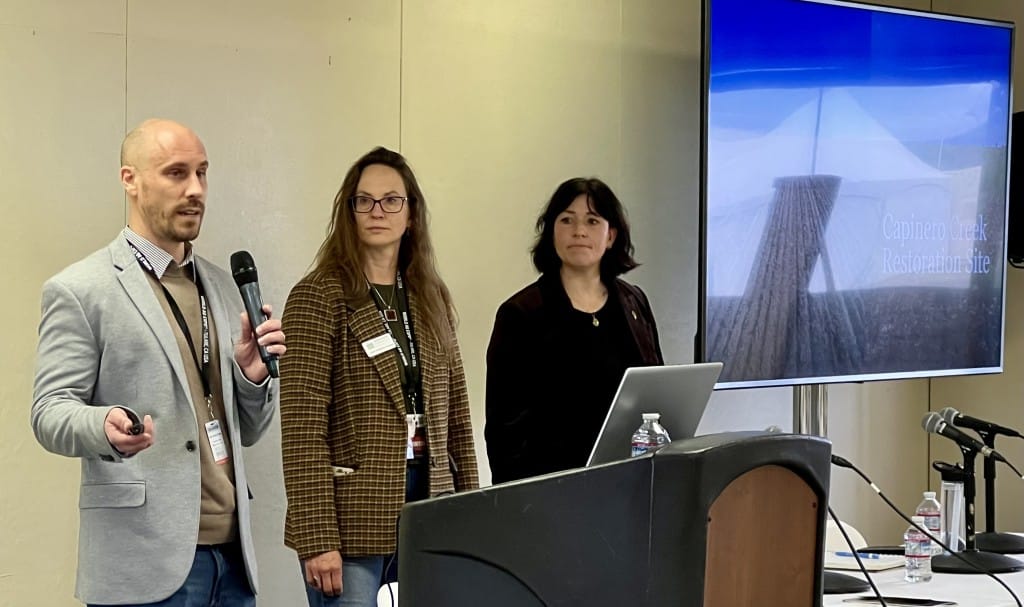
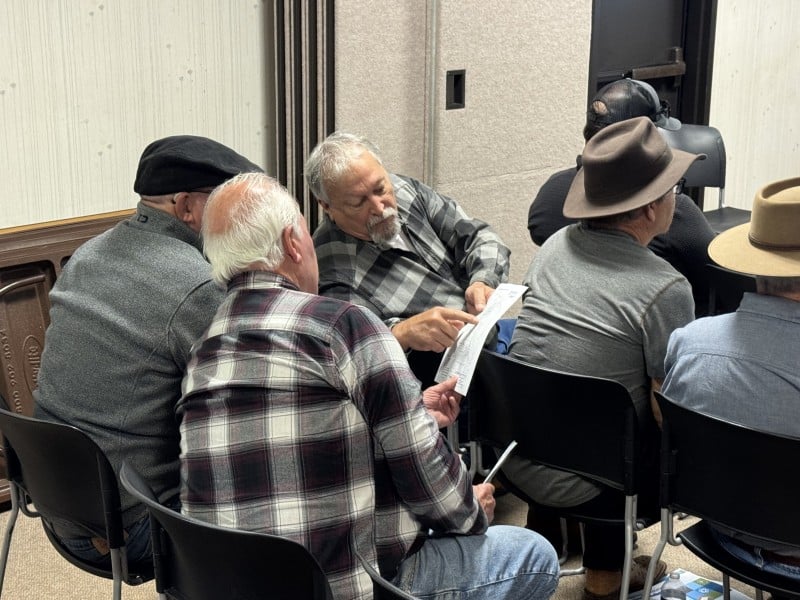
Representatives of the Tulare-based Tule Basin Land and Water Conservation Trust, Visalia-based Sequoia Riverlands Trust and The Nature Conservancy spoke to about 25 people in a seminar trailer at the expo Feb. 10. The Expo runs through Feb. 12.
“All of us have grown to love and appreciate our rural way of life, and we want to preserve that,” said Nick Reed-Krase, executive director of the Tule Basin Land and Water Conservation Trust. “When we’re talking about conservation easements, that’s really what we’re talking about. The biggest thing to remember is that this is driven by the landowners and we can customize it based on that.”
The best way to do that is to help landowners understand what a voluntary conservation easement offers them, and what it doesn’t.
At its core, a conservation easement keeps land undeveloped in perpetuity. Landowners retain ownership of the property, but sell the right to develop it to a land trust, providing an infusion of cash that can be used to pay off loans, send kids to college or apply toward current operations.
“It sets the farmer up to ensure that the vision for their land is realized,” said Logan Robertson-Huecker, executive director at Sequoia Riverlands Trust.
The value of the easement is determined by a simple equation: The value of the property without restrictions to development or use, minus the value of the property with restrictions dictated in the easement terms.

Land trusts purchase the easement with a mix of private funds and grants.
Easements are another tool for landowners, and Tuesday’s seminar was aimed directly at growers who are considering how to preserve their family farms and legacies.
Reed-Krase noted the immense pressure farmers face, especially since passage of the Sustainable Groundwater Management Act, California’s landmark groundwater regulation that mandates overdrafted aquifers be managed sustainably by 2040.
To do that, water managers must find more water to recharge, or reduce demand – pumping. That means fallowing land.
An estimated 600,000 acres in Tulare, Kings and Kern counties alone is expected to come out of production to comply with the law.
The panel reiterated that easements are flexible and can be customized by the landowner. They can be applied to ranches of any size, and generally take six months to two years to put in place.
“Each is customized to the landowner and the family and this is why it is such an effective tool for so many people,” said Abby Hart, project director for The Nature Conservancy’s California Water Program. “Our goal is to keep the land in the hands of those who steward it best, and that is the family.”
One common misconception is that easements lock landowners into an agreement based on water availability. In reality, easements are in place to protect conservation values. Water rights and water availability are considered separate legal issues.
Other common myths are that strangers will be granted access to the land, that farming operations will be monitored by the trust, or that landowners won’t be able to farm if an endangered species is found on the property.
Robertson-Huecker stressed that relationships are at the root of their work.
“The idea of partnership and relationship is really important to this work,” she said.
Reed-Krase added that the three trusts and a wide variety of government agencies collaborate often.
Audience member Deborah Thomas works as the coordinator of the Farmer Ag Network, which focuses on regenerative ag principles. She said information from the seminar will be helpful to share with other farmers in the organization, which spans eight San Joaquin Valley counties.
“Sometimes it’s about learning to ask the right questions,” she said. “I’m really excited about this.”