Invasive critters “musseling” in on valley waterways as managers struggle to stop the spread
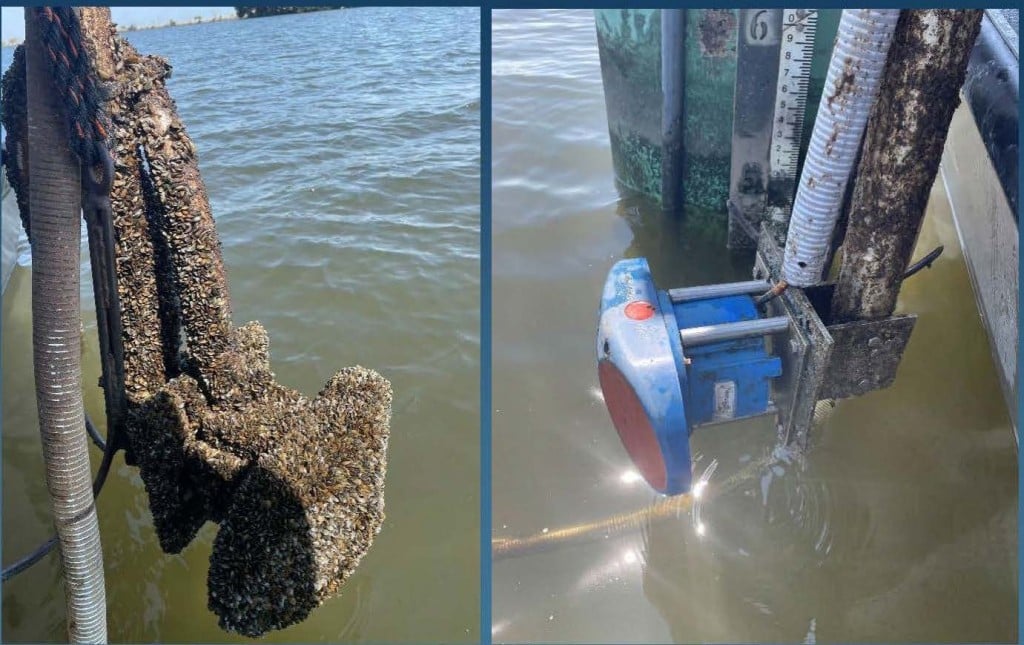
The dreaded, destructive golden mussel has become an urgent topic among San Joaquin Valley water agencies prompting near daily meetings on how to combat the tiny mollusk that is clogging pipes and equipment from Stockton to Arvin.
“We’re going to be dealing with this for the foreseeable future if not longer,” said Johnny Amaral, chief operating officer of Friant Water Authority.
After golden mussels were discovered in the Arvin-Edison Water Storage District late last year, Friant did a top-to-bottom inspection of the southern reaches of the Friant-Kern Canal while water demands are low.
Crews looked under bridges, headgates, turnouts — every nook and cranny where the mussel could attach itself – blasting colonies with lethal hot water and scraping them off by hand while chemical solutions are researched.
Amaral said no mussels were discovered north of Arvin-Edison and that’s how managers want it to stay.
Keeping the mussels out of Millerton Lake and the upper watershed of the San Joaquin River is essential to protect the entire Friant system, he said.
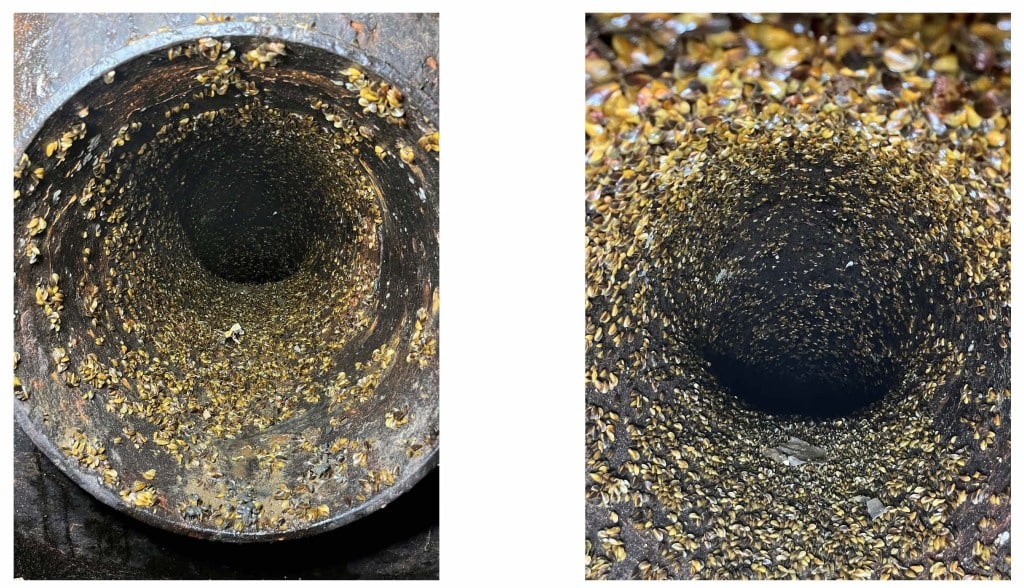
That may be difficult as the tiny invaders spawn multiple times a year and no large-scale filtration, chemical or other defense has been found. Part of the problem is, the mussels can detect caustic substances and, literally, clam up for two weeks or more until the chlorine or other lethal chemicals dissipate, according to Samuel Blue, resource manager for Arvin-Edison.
California developed the Golden Mussel Response Framework outlining what’s known so far about the mussels and how to slow their spread. And the Bureau of Reclamation said in a statement that it is “engaged in proactive surveillance, monitoring, and coordination activities” with other agencies.
But that’s not been much help to water managers and farmers on the front lines.
“It is absolutely a big problem,” said Jeevan Muhar, manager of Arvin-Edison. “That’s what the state and feds don’t understand. They’re used to dealing with bigger facilities (pipelines/canals) and we have smaller ones and feel more of an impact.
“We need a little more urgency.”
After Muhar sent landowners in his district an “urgent notice” about the mussels on Dec. 23, he got a slew of calls.
“They just want to know what we’re doing and how this impacts them,” he said.
Arvin-Edison “wants to hit the mussels hard this winter,” he said, and will need cooperation from landowners to move water out of its system, which stretches over 170 miles of pipelines, forebays and standtanks.
He said districts also need immediate financial help from state and federal agencies to eradicate the mussels from their infrastructure.
For now, though, the Department of Water Resources is focused on “providing informational assistance, conducting chemical treatment research and developing and implementing mussel mitigations at State Water Project facilities,” according to a DWR statement.
Eradication measures under review include ultraviolet radiation, sand, or other filtration systems, ozone treatment and using chemicals such as chlorine or copper sulfate, according to the statement.
DWR spokesman Gary Pitzer said copper sulfate “has been proven to be environmentally safe and effective at reducing golden mussel population without impacts to water quality or adverse effects on non-target species.”
The department has also successfully used UV disinfection systems to kill mussels at the larval stage.
But as Arvin-Edison has discovered, chemical treatment is required at “higher concentrations for longer durations than (Quagga and zebra) mussels,” according to the DWR statement.
And none of the techniques is being studied with the large volumes of water that pass through state and federal systems.
Eric R. Quinley, general manager at Delano-Earlimart Irrigation District, hopes to see a much stronger response.
“The last water user is always the growers and they have the smallest diameter pipes. So they need protection up and down the Friant system. I can only imagine the havoc they will wreak on a small pipe or microirrigation system.”
Quinley said his district has requested that all pumping from any other local river source cease until Friant has a complete treatment plan in effect.
“We recognize this may cause a water supply impact for some, but Delano-Earlimart or any contractor that is reliant on the Friant-Kern Canal doesn’t have the luxury to expose its system to a potentially damaging invasive species.”
With allocation season beginning in February, and the potential for excess stormwater to be released from Millerton Lake, Amaral said Friant’s goal is to balance treatment with the need to deliver water when districts order it.
“We have to be nimble and responsive. In the SGMA era, that water is very much needed,” he said, referring to the Sustainable Groundwater Management Act, California’s landmark groundwater law passed in 2014.