Groundwater discussion finds its way into a celebration of new Sikh temple
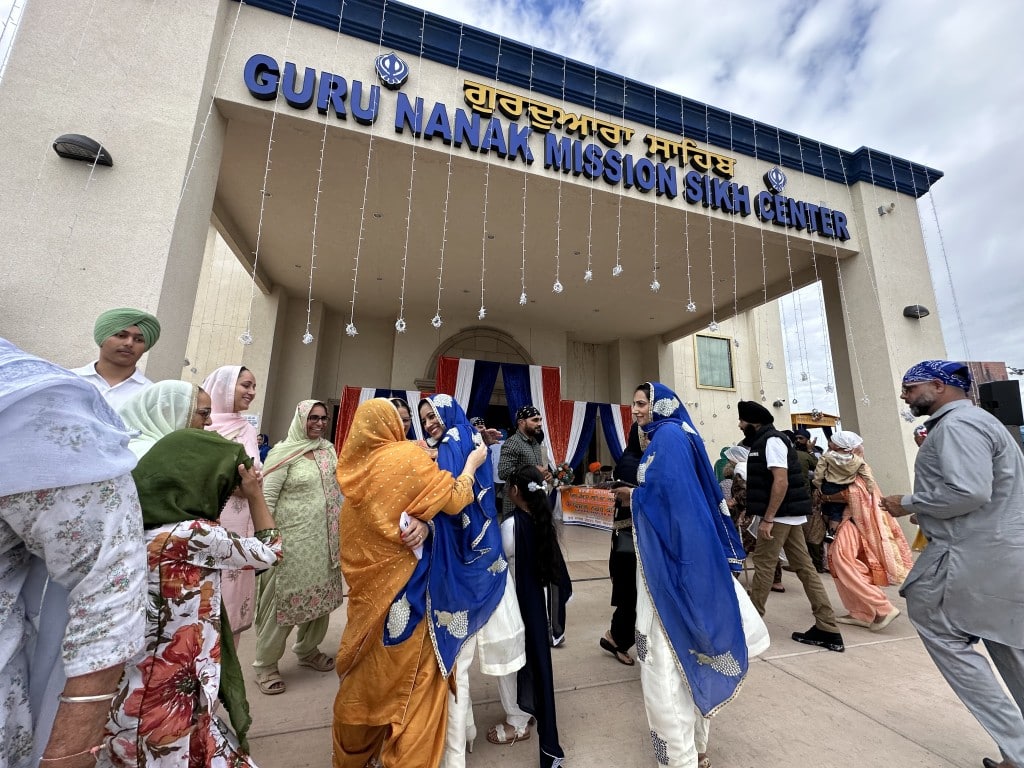
Amid the thousands of people streaming through the newly opened Guru Nanak Mission Sikh Center enjoying plates of stew and deliciously creamy mango drinks on Sunday, three came with a very specific mission.
They came to talk about groundwater.
Or, more precisely, the Kern County subbasin groundwater sustainability plan, which will come before the Water Resources Control Board in June. Water Board members are expected to decide if the plan adequately protects domestic wells, water quality and the water table.
It has been a long journey for local water managers over the past decade to come up with a coordinated groundwater plan that addresses those and other issues in such a large and complex subbasin.
But they believe they’ve finally hit the mark and have been reaching out to numerous communities, including the very large contingent of Punjabi farmers in Kern to make sure as many people as possible have information about the plan and get their questions answered.
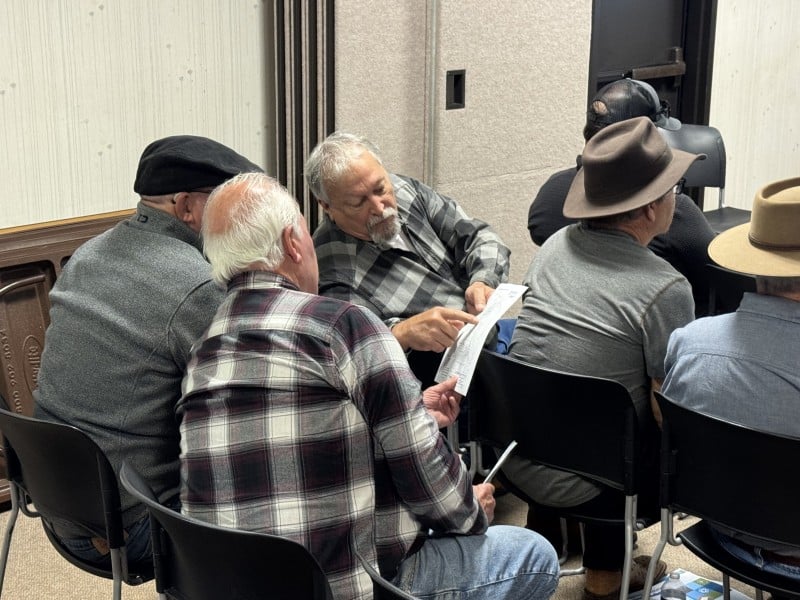
To that end, Daniel Maldonado, Assistant Water Resources Director for Bakersfield, Tim Ashlock, General Manager of Buena Vista Water Storage District and Jeevan Muhar, manager of Arvin-Edison Water Storage District, spent Sunday handing out flyers during the temple dedication event.

The temple grand opening was held in conjunction with the spring harvest festival known as vasakhi, or baisakhi.
Dozens of food booths served traditional meals and treats as people wandered through the temple topped with shining golden domes. Sunday’s event capped three days of celebration, including fireworks on Saturday night.
Parmjit Dosanjh, a longtime Kern County farmer and one of the temple’s directors, was happy to make groundwater a part of the celebration and said he would include information about how to access the plan furing his remarks inside the temple.
While he acknowledged pumping regulations under the Sustainable Groundwater Management Act (SGMA) mean a tougher future for farming, he said “this is the law of the land now” and farmers have to understand their responsibilities.
With land in three agricultural water districts that include supplies from the state and federal systems as well as the Kern River, Dosanjh has become somewhat of an expert on the challenges each system faces.
One of his nephews read a letter during the Water Board’s first probation hearing for the Kern subbasin in February in which he urged the board to let local water managers continue to work locally on groundwater issues.
If the board places Kern into probation, farmers will have to meter and register their wells with the state at an annual cost of $300 per well, report their extractions and pay the state $20 per acre foot pumped. Probation is intended to last for a year while state staff and local managers work on developing an adequate plan.
If that doesn’t happen, the state would then step in and set its own pumping restrictions.
Dosanjh said in his letter to the board and on Sunday that the best outcome of SGMA has been how all the water districts and users have come together to tackle the problem.
“That’s the good part, everyone is now working together,” he said.
Information about the plan should be available in both Spanish and Punjabi on www.KernGSP.com starting this month.

Author