Central Valley water tour provides “firehose” of water information
- Editor’s note: Monserrat Solis covers Kings County water issues for SJV Water through the California Local News Fellowship initiative.
A tour bus filled with water experts, agency directors, biologists, engineers and one news reporter traveled through the Central Valley this spring, stopping at key infrastructure sites where the San Joaquin Valley’s water is collected and shipped to farms and cities.
The tour offered a wealth of information on water structures and districts covering about 20,000 square miles of the southern valley.
The three-day tour was put on by the Water Education Foundation, a nonprofit organization that provides information and education on California’s byzantine water world, from April 23 – 25.
Starting in Sacramento, the tour moved south to the San Luis Reservoir, which stores water for both the state and federal systems. Along the way, water managers and experts shared crucial information about how the systems operate.

Other stops on the tour included:
- Mendota Pool – 30 miles west of Fresno, the 3,000-acre-foot pool is at the confluence of the Kings and San Joaquin rivers as well as the terminus of the federal Delta-Mendota Canal, which brings water to the valley from the Sacramento-San Joaquin Delta.
- Kern Water Bank – a 32-square mile privately held groundwater recharge facility in western Kern County that can store 1.5 million acre feet of water.
- Middle Reach of the Friant-Kern Canal – a repair project to address the sinking Friant-Kern Canal, which is owned by the Bureau of Reclamation but operated by the Friant Water Authority.
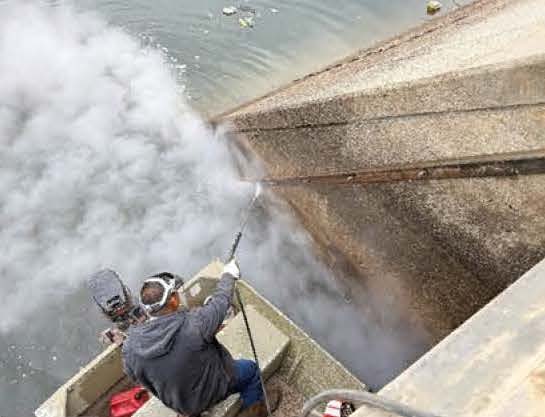
- Terminus Dam on Lake Kaweah – a reservoir in Tulare County, which can store 185,630 acre feet of water during the spring run-off season. While the dam is owned and operated by the Army Corps of Engineers, the lake’s water is owned by ag districts in the valley.
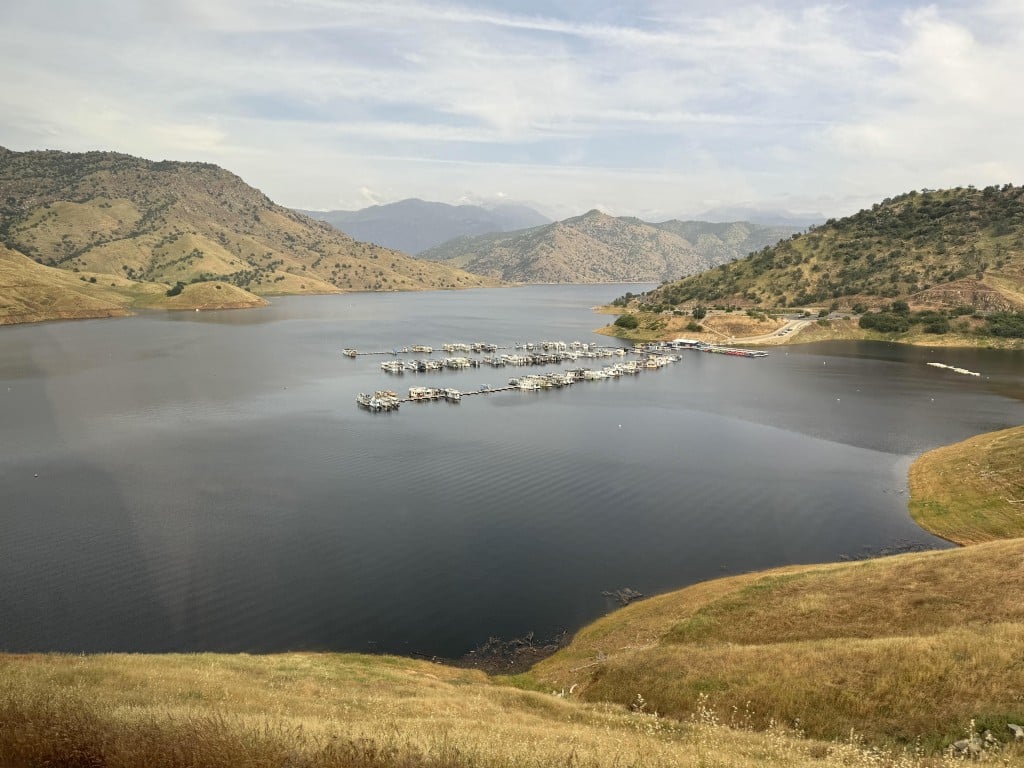
- Friant Dam and Millerton Lake – a reservoir in Fresno County on the San Joaquin River with a capacity of 520,500 acre feet of water provided to Friant water contractors as far south as Arvin.
Each location showed how the valley receives water from a variety of sources, which each operate under their own rules and regulations.
Tour participants also gained perspective of the water difficulties faced by some disadvantaged communities.
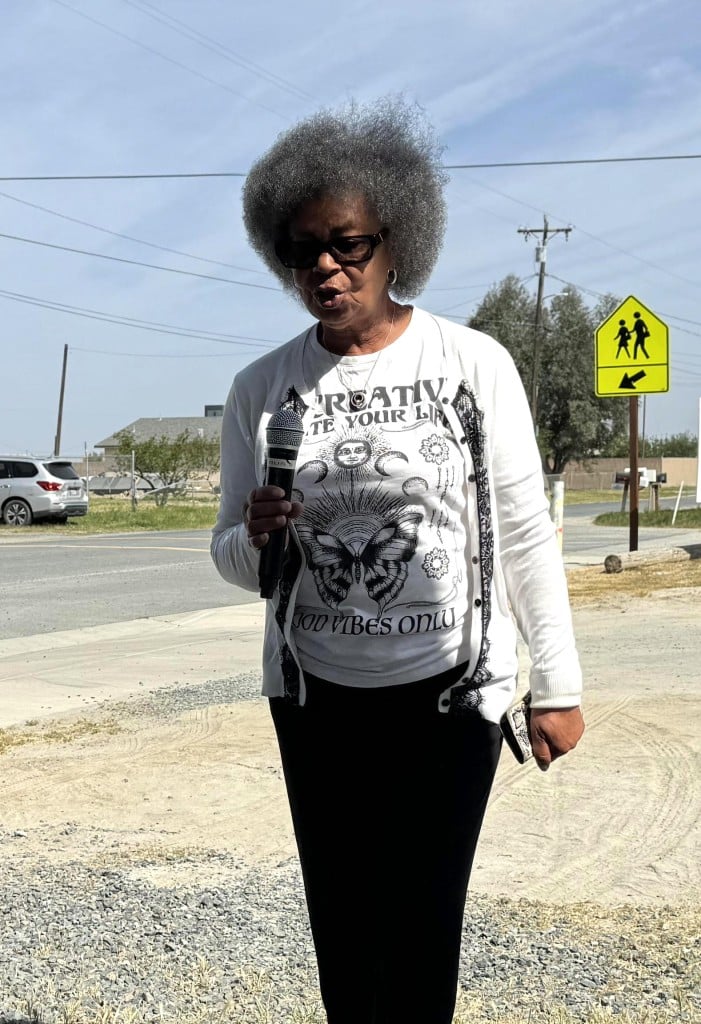
A quick stop at Allensworth, a tiny, historically black community in Tulare County, provided information about a community living with arsenic in its drinking water. Arsenic is a natural-occurring chemical in Allensworth’s groundwater that can cause cancer.
Sherry Hunter, a resident of Allensworth and former Mutual Water Company board member, said residents drank from arsenic contaminated wells for years before it was tested.
On the last day of the tour, Maricela Mares-Alatorre from the Community Water Center introduced tour attendees to the small Tulare County community of East Orosi.
East Orosi residents, who are mostly low-income, have had to rely on water tanks and bottled water for several years due to nitrate contamination. Nitrate comes from a variety of sources including fertilizers, septic tanks and some manufacturing processes. It has been linked to cancer and can be fatal to infants, causing what’s known as “blue baby syndrome.”
The state Water Resources Control Board has ordered the neighboring town of Orosi to consolidate East Orosi’s failing drinking water system.
Another overriding topic on this tour was the Sustainable Groundwater Management Act (SGMA), which aims to have local entities bring over pumped aquifers into balance by 2040.
Under SGMA, two San Joaquin Valley groundwater basins have been placed on probation for lacking adequate water plans. While the Tulare Lake subbasin’s fate awaits a court rule, some groundwater sustainability agencies (GSAs) in the Tule subbasin continue to work under the state’s thumb.
- Republication or broadcast of SJV Water content is allowed with our reporter’s byline, SJV Water and the following tagline:
SJV Water is an independent, nonprofit news site covering water in the San Joaquin Valley, www.sjvwater.org. Email us at sjvwater@sjvwater.org