Tulare County wants public input on how best to preserve ag lands
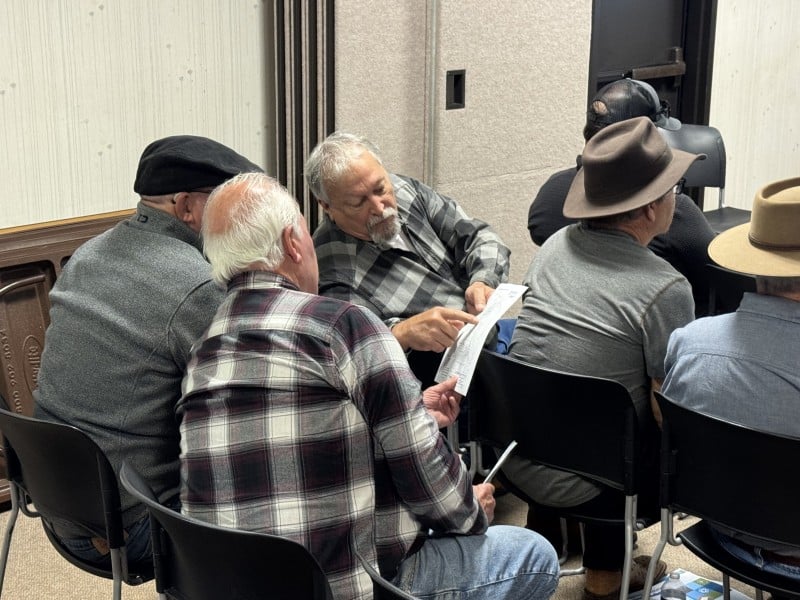
Tulare County will hold two sets of meetings – one set for landowners and one for community members – to share their input about the future of agricultural land in the region as groundwater restrictions tighten under the Sustainable Groundwater Management Act (SGMA).
Landowner meetings will be held at noon Oct. 7 and Nov. 13 at Porterville Parks & Leisure Services’ Centennial Room, 15 E. Thurman Ave. in Porterville.
Community member meetings will be held from 5:30 to 7 p.m. Oct. 7 at Nupchi Xo’ Oy, 648 Mulberry Ave. in Porterville, and Nov. 13 at Pleasant View Elementary School, 1855 W. Pleasant Ave., Tulare.

All meetings are in-person. Spanish interpretation will be available at evening meetings. Reservations for all meetings are being accepted at srt.social/yourland.
Tulare County landed a $500,000 Sustainable Agricultural Lands Conservation (SALC) grant from the Department of Conservation and needs input specifically from the agricultural community on crafting a land use plan that will directly impact where productive land is preserved.
The goal is to protect land at risk of being converted to non-ag uses while maximizing limited water resources.
Sequoia Riverlands Trust is conducting outreach for the workshops with fellow nonprofit Self-Help Enterprises.
Having a strategic land use plan will help Tulare County compete for other statewide grants. And public participation is critical, said Emily Boettger, Land Protection Outreach Specialist with Sequoia Riverlands Trust.
“The SALC program aims to guide smart growth throughout the state, and awards funds for conservation easements which are permanent planning tools that can help solidify what our region will look like into the future,” Boettger wrote in an email.
Those easements support rural economies, ways of life, landscapes and wildlife, she added.
In Kings, Kern and Tulare counties alone, an estimated 600,000 acres will need to come out of production as growers comply with SGMA, which will require a significant reduction in groundwater pumping to bring aquifers into balance by 2040. Statewide, nearly one million acres will have to be fallowed.