Kern agency strikes 11th-hour deal to keep water flowing to Diablo Grande residents
The Kern County Water Agency will erase a $14 million debt and continue selling water at a lower rate to the Western Hills Water District as part of a deal struck just days before it said it would cut off the tap.
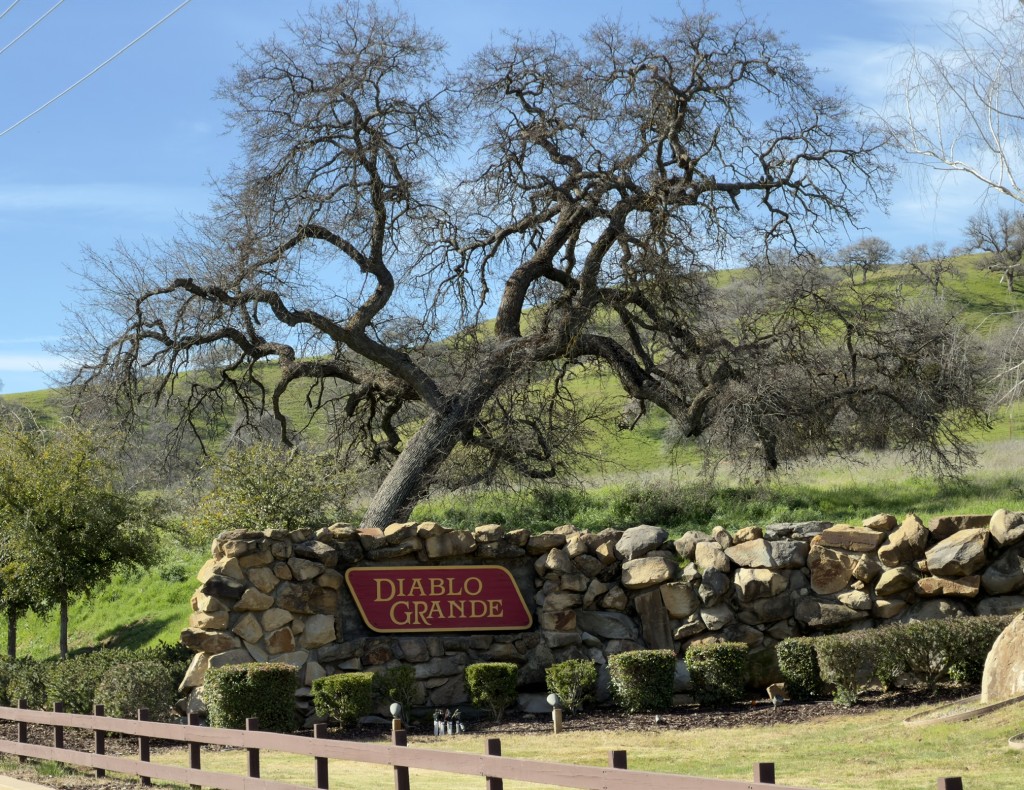
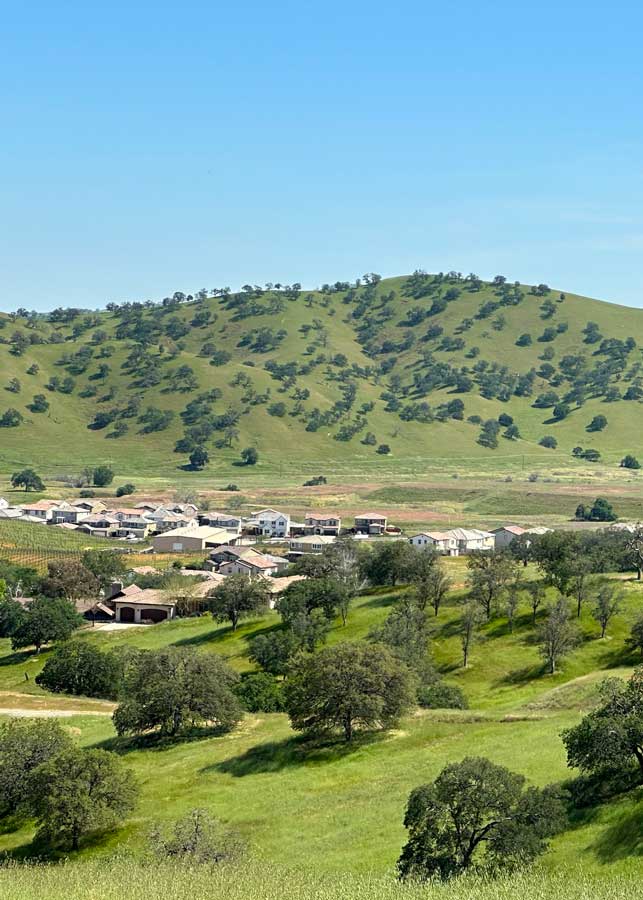
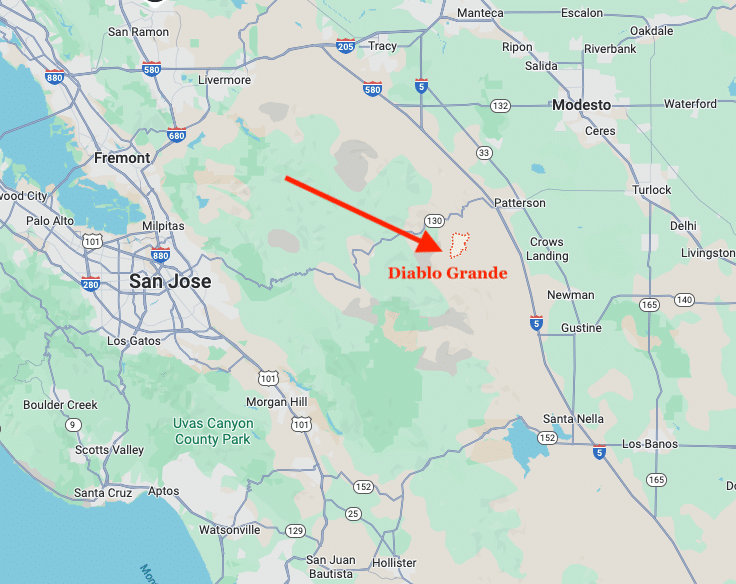
The draft deal caps more than a year of start-and-stop threats from KCWA to cut off water to Western Hills, which is the exclusive purveyor to the 600-home Diablo Grande development in the foothills west of Patterson. The most recent cut-off date was May 31.
“It’s a very fair deal and I’m pleased,” said Mark Kovich, President of Western Hills.
The details of the deal are still vague as the two sides have only signed a “letter of intent,” which SJV Water requested but has yet to receive. An actual contract is still in the works.
However, some basics, including the erasure of the $14 million debt, were released in a public announcement sent to Diablo Grande residents.
The announcement also states that, going forward, Western Hills will be able to buy water wholesale from KCWA based on its actual usage. It will be able to buy extra water if the community grows and KCWA will provide a dry year, emergency supply to Western Hills for at least five years, if needed.
While having water certainty is a huge relief for the community, it won’t substantially reduce water rates, according to the announcement. Rates were jacked up to $600 per month last June when residents voted for the increase to start paying on the $14 million debt to KCWA.
Kovich said it costs about $200,000 a month to run the Western Hills water system and with only 500 paying customers, that comes down to $400 a month per customer just to keep things going.
If the community had developed as planned with 5,500 homes, Western Hills’ bills could be as low as $85 a month. That didn’t happen for a number of reasons, which Kovich said are the subject of a separate, ongoing lawsuit against another party.
The stunted development is also what frayed the seams of KCWA’s original deal with Western Hills.
Back in 1998, when the Diablo Grande development was first envisioned, Western Hills bought the rights to 8,000 acre feet of state water from the Berrenda Mesa Water District for $8 million.
But the Department of Water Resources didn’t want to add a new contractor to the system and kiboshed the deal.
KCWA, already a State Water Project contractor, stepped in.
It took over the Berrenda Mesa contract for 8,000 acre feet and then sold Western Hills its banked lower Kern River water “by exchange.”
In reality, Western Hills took state water straight from the California Aqueduct and KCWA then debited a like amount of river water held in its Pioneer groundwater bank.
As part of its agreement, Western Hills reimbursed KCWA for annual state transportation and operations/maintenance costs associated with the full 8,000 acre feet.
Western Hills stopped paying those state charges in 2019, amassing the $14 million debt, according to KCWA.
However, because Western Hills never fully developed, it never took all the water it was paying for.
According to DWR and KCWA records, the Western Hills entitlement yielded 105,520 acre feet from 2001 to 2025.
But Western Hills only took 19,498 acre feet in that time, according to KCWA records.
What happened to the excess water?
Western Hills banked 4,000 acre feet in Kern County and sold 22,900 acre feet to Kern agricultural water districts.
The rest of the excess Western Hills water, 61,723 acre feet, was sold by KCWA to its ag member districts, according to KCWA.
SJV Water has submitted multiple public records requests to KCWA starting in June 2025 seeking information on how much that excess Western Hills water was sold for and to which districts. KCWA initially said it would take several months as it was short staffed and has since ceased responding entirely to requests for that information.
Typically, when KCWA sells water to its member districts, it only requires reimbursement for state and conveyance charges, according to previous statements from KCWA.
But, up until 2019, Western Hills was already paying those charges. Again, KCWA has not responded to questions about the accounting on those sales.
KCWA staff did confirm money earned from those sales was not used to offset Western Hills’ debt.
Several KCWA member districts have also asked about sales of the Western Hills water and managers have told SJV Water privately they were never notified it was available for purchase.
Managers have also wondered what KCWA’s plans are for the 8,000 acre feet of Western HIlls water going forward.
KCWA hasn’t made any formal announcements but starting last spring, 8,000 acre feet has shown up in KCWA documents associated with the state’s Delta Conveyance Project, the tunnel proposed to take Sacramento River water below ecologically sensitive portions of the Sacramento-San Joaquin Delta.
State Water Project contractors are being asked to pay $300 million toward the planning and pre construction phase of the tunnel. Kern’s share of that is $33 million, which KCWA has to gather from its member districts.
The amount each district contributes is based on what percentage of their state contracted water they choose to include.
A letter authorized at KCWA’s March 27 2025 meeting states it intends to participate at 100% for its own 8,000 acre feet of water.
As for Western Hills’ 4,000 acre feet of banked water, it’s unknown yet how that fits into the current deal as a KCWA press release only vaguely states that the two sides have “agreed on terms” for the water.