Tulare County water managers push back on state subsidence data
Water managers from eight groundwater agencies in Tulare County are pushing back against a state Water Resources Control Board staff’s report that they have not done the work to earn a “good guy” pass from fees and reporting requirements. Managers are also critical of the state’s subsidence methodology that they claim is unfair and flawed.
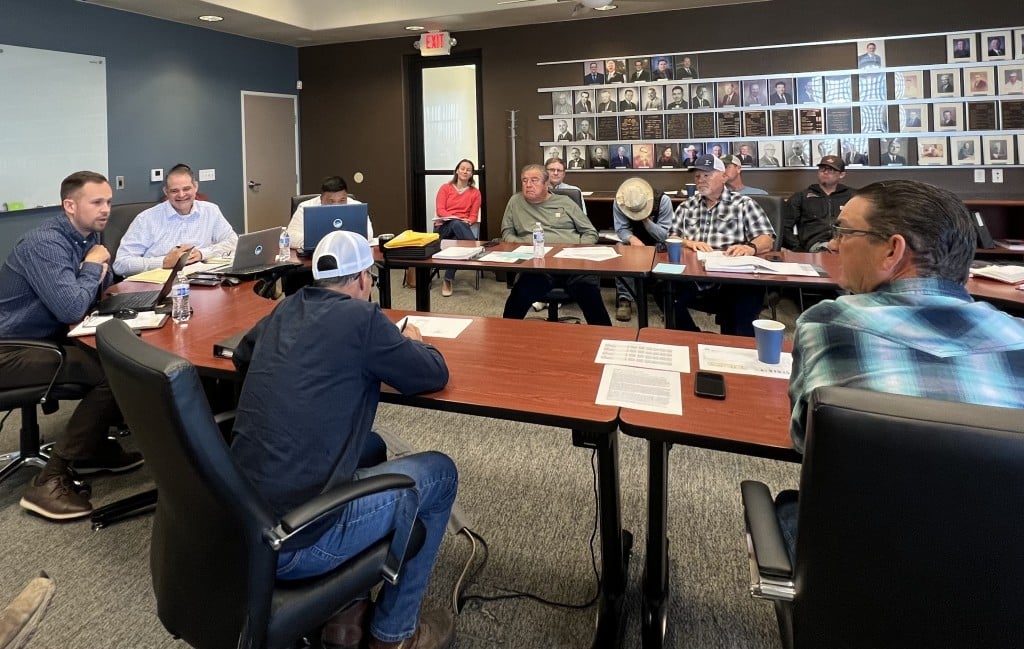
“We aggressively rang their bell on these two issues,” said Lower Tule River and Pixley irrigation districts groundwater sustainability agency (GSA) resources manager Travis Millwee. He and other staff members spent a day meeting with state board staff and Water Board members April 8 on these issues.
“But the takeaway is that the ship is in motion.”
He referred to an April 21 hearing in Sacramento where the Water Board will consider its staff’s recommendation to deny exclusion requests from the groundwater agencies.
Gaining an exclusion would save landowners from paying up to $12 million in fees and reporting their groundwater use to the state beginning May 1.
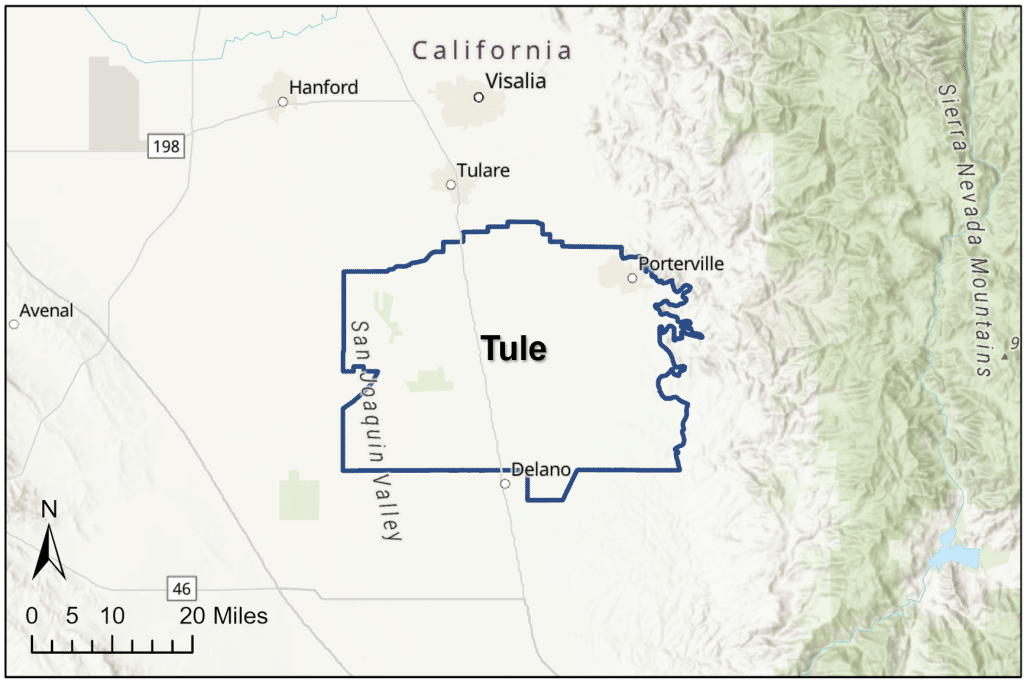
The agencies are part of the Tule subbasin in Tulare County’s southern flatlands. The Water Board placed the region on probation for lacking a plan that would curb over pumping that has caused runaway subsidence in the area. That subsidence, or land sinking, has so far caused more than $300 million in damage to the Friant-Kern Canal, among other issues.
At the heart of the pushback is a subsidence study prepared by consulting firm Intera that state Water Board staff relied on in its report denying the exclusion requests.
That Intera study is also the crux of internal subbasin fractures that have pit 11 of the region’s 13 GSAs against the Delano-Earlimart GSA.
That’s because Delano-Earlimart also uses Intera as its technical consultant and has come to many of the same conclusions as the state on what’s needed to stop subsidence.
Delano-Earlimart and the Kern-Tulare Water District GSA were both deemed to be in balance and were granted exclusions from the fee and reporting requirements in 2024.
Intera also authored subsidence guidelines released in January by the Department of Water Resources, considered by many as “gospel” for preventing future subsidence.
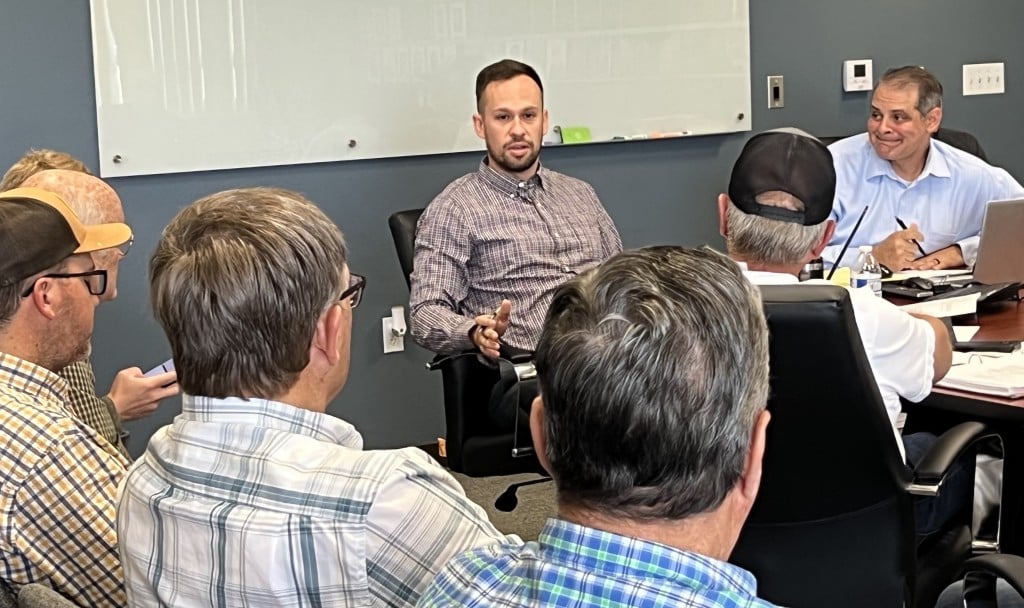
Managers at Lower Tule River and Pixley irrigation district GSAs told landowners that the Water Board staff report relies on what they say is a flawed interpretation of “critical head” that would require a significant increase in groundwater levels.
Critical head is the groundwater level that needs to be maintained in fine-grained, or clay, soils to prevent “permanent compaction,” according to state guidelines.
“It (the Water Board staff report) represents a narrative that our groundwater levels need to be raised 175 feet in some areas to be protective of the proper critical head,” Milwee said.
Not only is that interpretation flawed, Milwee said, it doesn’t fit with already approved groundwater plans in two other neighboring subbasins that don’t use the same state-recommended critical head levels.
Meanwhile, Tule subbasin GSAs have agreed to fund a joint subsidence study in an effort to reach consensus on region wide “minimum thresholds.” That’s a red line for the lowest level groundwater would be allowed to drop.
“They are the major point of contention and we have got to come to some sort of agreement,” Milwee said of minimum threshold depths.
The subsidence study should be done by the end of 2026 and Pixley board members acknowledged that they may not like the results.
A group of Tule managers and consultants will make a presentation at the April 21 Water Board hearing and a large contingent of landowners are planning to comment.
“I don’t think it will change their mind but we have to do our due diligence,” Porterville GSA manager Michael Knight said.
The deadline for written comments on the staff review for the Tule subbasin is noon on Monday, April 20. Email SGMA-Tule@waterboards.ca.gov with the subject line “Comments – Tule Subbasin.”